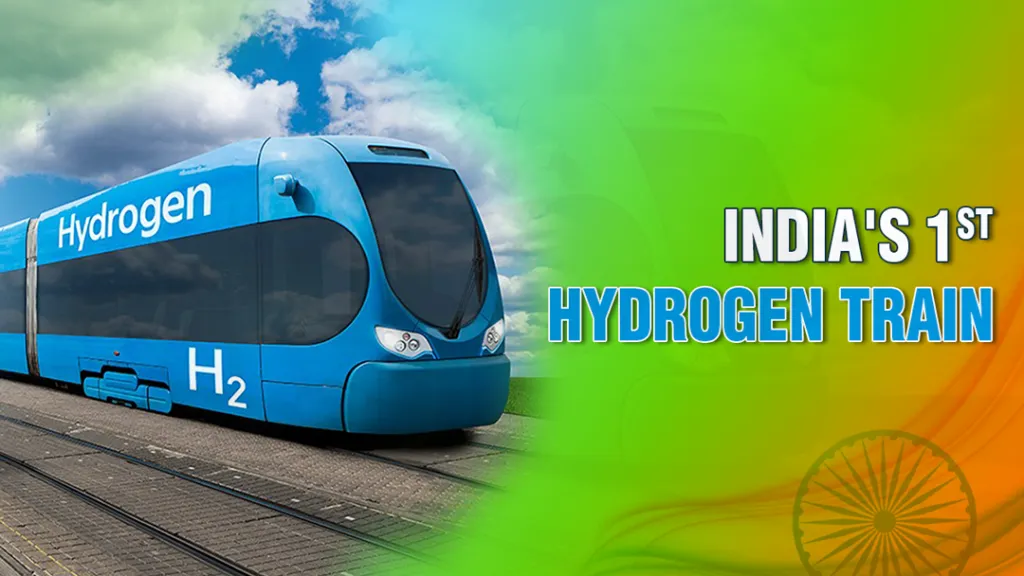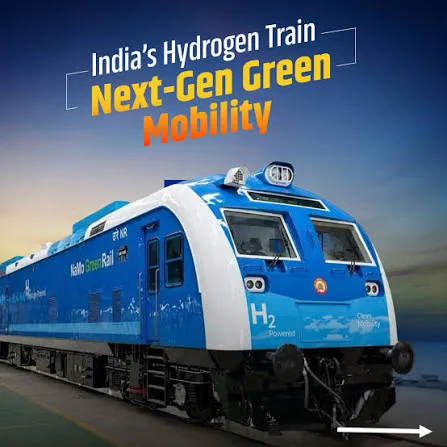

India has achieved a significant milestone with its first hydrogen-powered train completing a final high-speed trial at 120 kmph on June 26, 2026. The trial took place on the Jind-Sonipat section in Haryana, aligning with Indian Railways’ initiative to integrate cleaner energy solutions into its fleet. This successful run is critical as it brings the train one step closer to passenger services after fulfilling regulatory and operational requirements.
Testing Route and Infrastructure Support
The Jind-Sonipat route was specifically selected for this trial due to its suitability for evaluating the newly developed hydrogen technology under realistic operating conditions. Indian Railways has established dedicated facilities for hydrogen production, storage, and refuelling at Jind to support this project. This infrastructure will help ensure the train’s safe operation and maintenance, facilitating a smooth transition to the use of hydrogen as a fuel source in railway transport.
Safety features have been integrated into the train’s design, including hydrogen leak detectors and flame detection systems, as well as continuous monitoring technologies. These elements are aimed at swiftly identifying and addressing any potential safety issues during operations, thereby enhancing passenger safety and operational reliability.
The introduction of hydrogen-powered trains is part of a broader strategy by Indian Railways to reduce reliance on fossil fuels and promote sustainable transportation options. Hydrogen fuel-cell technology, which creates electricity through a reaction between hydrogen and oxygen, offers the additional benefit of generating only water vapour as a by-product. This not only reduces harmful emissions but also mitigates noise pollution compared to conventional diesel locomotives.

Global Context and Future Implications
The success of this high-speed trial places India among a select group of countries that have initiated or tested hydrogen-powered rail systems. As the global transport sector increasingly pivots towards greener technologies, this milestone contributes to the overall movement towards more sustainable railway solutions. The shift to hydrogen fuel represents a significant advancement in the industry’s efforts to combat climate change and enhance transport efficiency.
With the completion of the 120 kmph speed trial, Indian Railways is now positioned to explore further development and integration of hydrogen-powered trains into its passenger service offerings. This initiative could revolutionise rail travel in India by providing a cleaner, quieter, and more environmentally friendly mode of transport for commuters.
The introduction of such innovative solutions is expected to inspire further investments and research into alternative energy sources within the railway sector. The long-term vision encompasses not just improved environmental standards but also enhanced efficiency and passenger experience as part of Indian Railways’ progressive transformation.
Next Steps and Future Prospects
As regulatory and operational formalities are addressed, the focus will now shift to the timeline for full passenger operations with the hydrogen train. Indian Railways is actively working on finalising these details to ensure a safe and efficient launch. The anticipation surrounding this project underscores the growing interest in hydrogen technology within the transportation sector.
In addition to passenger services, the potential applications of hydrogen technology could extend to freight services as well, reinforcing the commitment to sustainable transport solutions. The ongoing developments will be closely monitored as various stakeholders aim to evaluate the practical implications of this pioneering project.
Overall, India’s first hydrogen-powered train signifies a progressive step in the evolution of rail transport, reflecting a commitment to sustainability and innovation in the quest for greener energy solutions within the country’s vast railway network.