


India Dominates Global Heat Chart: Eastern Cities Like Bhagalpur & Begusarai Cross 43°C
The CSR Journal Magazine

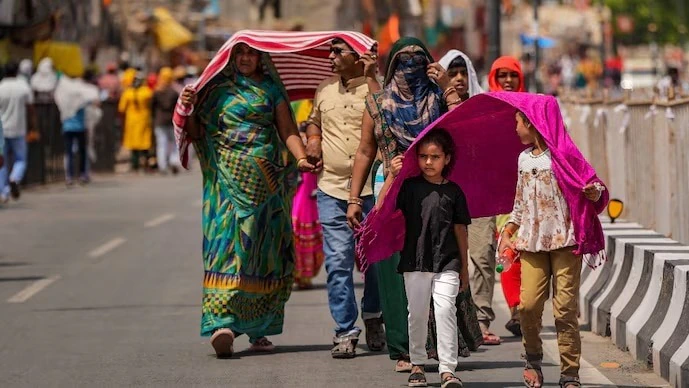
A recent global temperature ranking has identified numerous cities in India among the hottest worldwide. Notably, a considerable portion of these cities are located in the eastern region of the country, particularly in Bihar, West Bengal, and some parts of Uttar Pradesh. The data revealed by AQI.in highlights that cities such as Bhagalpur, Begusarai, and Asansol have reached extreme temperatures of approximately 43 to 44 degrees Celsius around 11:52 am on Wednesday, April 22. This trend points towards a regional issue rather than isolated incidents.

Reasons Behind The Extreme Heat

Currently, India is experiencing a severe pre-monsoon heatwave, a period lasting from March to June when temperatures frequently peak. Officially, a heatwave is declared when temperatures exceed 40 degrees Celsius, but many cities in eastern India have surpassed this threshold. Uniquely, this heatwave is occurring across entire regions, with Bihar and neighbouring states experiencing simultaneous increases in temperature. This phenomenon suggests a widespread environmental issue rather than sporadic conditions.

Various climatic factors contribute to the intense heat. The presence of clear skies, direct sunlight, and dry winds accelerates daytime heating while hindering nighttime cooling. Geographical conditions play a significant role in increasing temperatures, as Bihar, eastern Uttar Pradesh, and West Bengal are situated in the Indo-Gangetic plains, characterised by low elevation and significant solar exposure. The humid subtropical climate of Bihar leads to long, hot summers, where hot, dry winds, known as “loo,” further raise temperature levels.

Another important factor is the timing of heat accumulation. These regions tend to warm up before the monsoon arrives, with a lack of cloud cover and precipitation allowing for continuous heat retention. Consequently, ground temperatures keep rising day after day. In addition to natural causes, anthropogenic influences are exacerbating these conditions. Rapid urban development has led to the urban heat island effect, where cities experience higher temperatures in comparison to their rural surroundings due to concrete structures and minimal greenery.

Impact Of Human Activities On Temperature

Human activities have further contributed to the rise in temperatures in these areas. Deforestation and the shrinking of water sources result in reduced natural cooling, while changing land use patterns exacerbate heat retention. Additionally, climate change has been linked to an increase in the frequency and intensity of heatwaves across India, suggesting that such extreme temperature events are becoming more prevalent across the region.

Unless improvements in urban planning and climate adaptation strategies are implemented, it is anticipated that eastern India will maintain its position in global heat rankings going forward. Urban heat island effects will likely continue to intensify without appropriate interventions, further solidifying this trend.

Reasons For Lower Rankings In Other Regions

Despite their reputation for severe summer temperatures, regions like Delhi and Rajasthan are not currently leading the global heat rankings. One primary reason for this discrepancy is the seasonal timing of temperature peaks. Northwestern India generally experiences its highest temperatures later in the season, around May and June, while eastern regions heat up earlier in the pre-monsoon phase. This difference allows eastern India to dominate the rankings at this time.

Additionally, changing wind patterns and sporadic western disturbances can provide temporary relief in the form of cloud cover or dust storms. While the proximity to the Thar Desert increases the potential for high temperatures, these moderating factors can prevent temperatures from exceeding those recorded in eastern India during April. Thus, these elements serve as a buffer, keeping Delhi and Rajasthan from climbing to the top of the heat rankings currently.

Long or Short, get news the way you like. No ads. No redirections. Download Newspin and Stay Alert, The CSR Journal Mobile app, for fast, crisp, clean updates!

App Store –  https://apps.apple.com/in/app/newspin/id6746449540 

Google Play Store – https://play.google.com/store/apps/details?id=com.inventifweb.newspin&pcampaignid=web_share

Latest News

Popular Videos
