


India Develops Sabang Port With Indonesia To Counter China’s Influence
The CSR Journal Magazine

India’s recent agreement with Indonesia to develop Sabang Port represents a critical step in enhancing its maritime capabilities and countering China’s growing influence in the Indo-Pacific region. The deal was finalised during Prime Minister Narendra Modi’s visit to Indonesia and positions Sabang as a key asset due to its strategic location. Situated at the northern tip of Sumatra, the port overlooks the Strait of Malacca, a vital shipping lane through which approximately 40 per cent of global trade transits.

This location is particularly vital for China, which heavily relies on the Strait for its energy supplies and trade routes. The term “Malacca dilemma” is often used to describe Beijing’s dependence on this chokepoint, where around 80 per cent of its oil imports and a significant portion of its trade pass through. Hence, securing a presence at Sabang allows India to reinforce its strategic posture in this crucial maritime area.

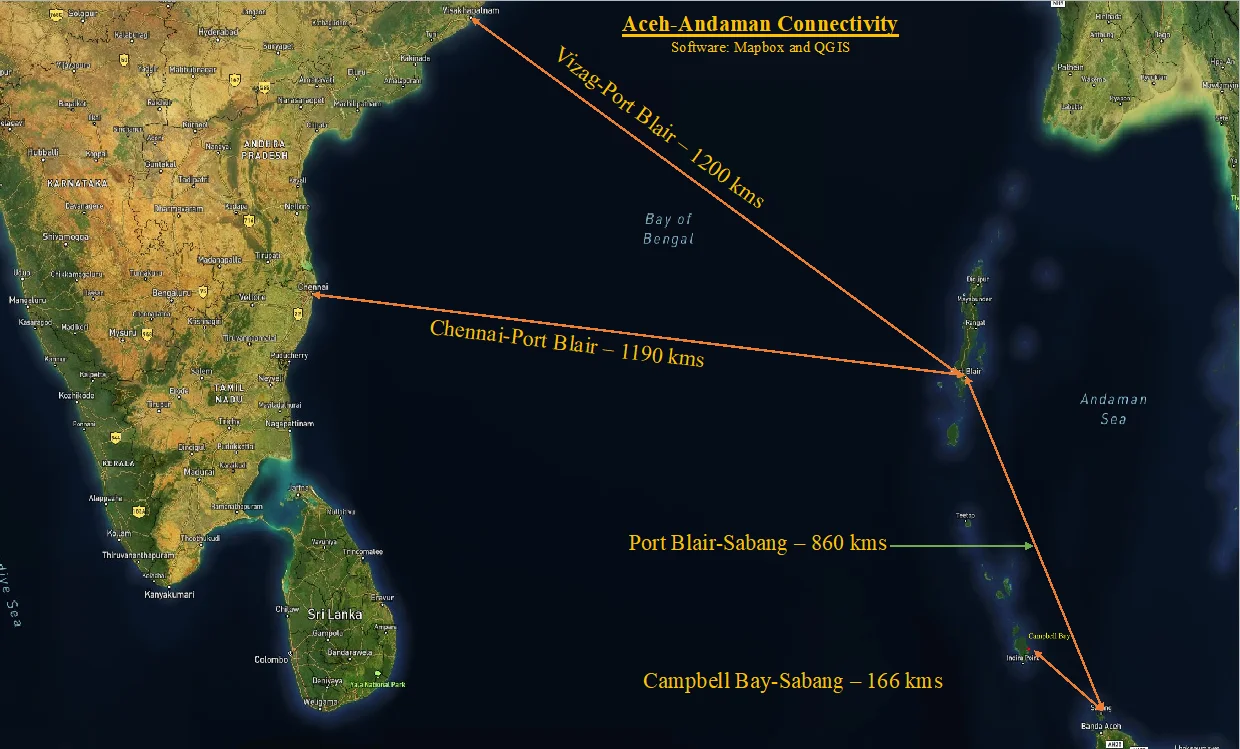
In conjunction with India’s planned Great Nicobar transhipment port, located approximately 100 miles away, the Sabang facilities will enable India to enhance its surveillance capabilities over one of the world’s most congested maritime routes. This development is expected to provide India with sustained operational footholds to monitor and secure its maritime interests in the region.

Enhanced Regional Presence

The strategic implications of the Sabang Port deal extend beyond India’s surveillance capabilities. The port’s position near the Strait of Malacca is crucial for bolstering India’s maritime influence in the Indo-Pacific. The entrance to the strait is dangerously close to the southern tip of the Andaman and Nicobar Islands, which further strengthens India’s strategic footprint. The combination of Sabang and the Great Nicobar port will allow India to maintain a robust presence in the region.

Although Sabang is classified as a relatively small port, it is capable of accommodating vessels weighing up to 50,000 tonnes, including all classes of naval ships and submarines. This capability underscores the port’s potential as an important hub for maritime operations in the region.

The recent developments in Sabang emphasise the significance India places on bolstering its maritime infrastructure as part of its broader strategic objectives in the Indo-Pacific. With the increasing geopolitical challenges posed by China, India aims to strengthen its position and influence through such collaborative initiatives.

Countering China’s Expanding Maritime Footprint

India’s engagement with Indonesia regarding Sabang Port cannot be seen in isolation from China’s expanding influence in the Indian Ocean region. Over the past few decades, China has developed a network of military and commercial ports across the Indian Ocean, commonly referred to as the “String of Pearls”. This network includes ports in countries such as Sri Lanka, Myanmar, Pakistan, and East Africa, designed to enhance China’s maritime capabilities and secure its energy imports.

Many of these developments have been facilitated through significant investments that have resulted in considerable debt for the host countries. Research indicates that countries like Kenya, Sri Lanka, and Djibouti face substantial Chinese debt, which China has utilised to gain control over strategic maritime facilities. For example, the Hambantota port in Sri Lanka, in which China holds an 85 per cent stake through a 99-year lease, exemplifies this trend.

The implications of this increasing Chinese presence are concerning for India, particularly in its own backyard. In light of this challenge, the agreement for Sabang Port stands as a countermeasure to mitigate the influence of China’s maritime strategy, reinforcing India’s commitment to safeguarding its national interests and enhance regional stability.

Long or Short, get news the way you like. No ads. No redirections. Download Newspin and Stay Alert, The CSR Journal Mobile app, for fast, crisp, clean updates!

App Store –  https://apps.apple.com/in/app/newspin/id6746449540 

Google Play Store – https://play.google.com/store/apps/details?id=com.inventifweb.newspin&pcampaignid=web_share

Latest News

Popular Videos
