


India’s Coal Consumption for Power in June 2026 Reaches Highest Levels Since 2023
The CSR Journal Magazine

India’s coal-fired electricity generation soared to its highest level since November 2023 during June 2026. This increase is attributed to a prolonged heatwave and insufficient monsoon rainfall, which kept air conditioning units operational and led to a significant rise in power demand across the nation.

According to government data analysed by news agency Reuters, coal-fired power generation rose nearly 14 per cent year-on-year, reaching 120.2 billion kilowatt-hours (kWh) in June. Overall electricity generation also experienced a 10.4 per cent increase from the previous year, totalling 178.31 billion kWh.

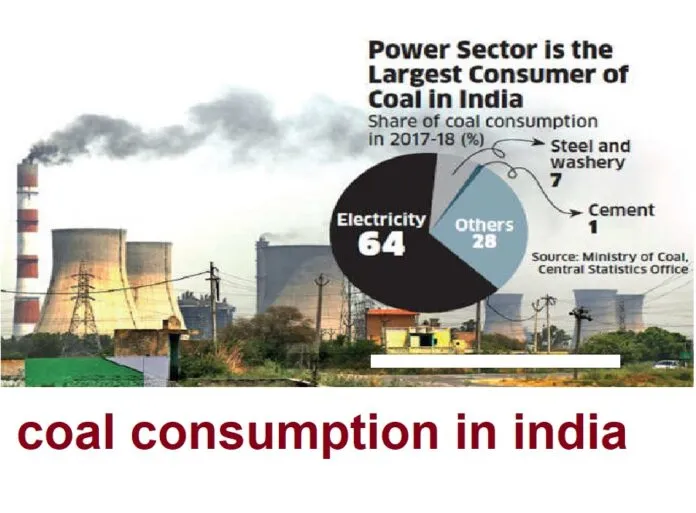
The surge in coal usage underscores India’s ongoing struggle to meet growing electricity demands amidst extreme weather conditions. Despite the nation’s accelerated transition towards renewable energy, fossil fuels remain a critical component of the power supply.

Impact of Extreme Weather on Power Demand

The record increase in coal consumption coincides with India experiencing one of its driest June months in over a century. The Indian Meteorological Department (IMD) reported that this June was the fifth driest since 1901. The persistence of extreme heat, coupled with delayed monsoon rains caused by a strong El Niño pattern, exacerbated the situation.

As the rains were delayed, millions of households and businesses continued to rely heavily on cooling systems, further fuelling the rise in electricity consumption. This scenario highlights the significant role that weather patterns play in shaping energy needs, particularly in a country with a large and growing population.

During peak usage times, coal-fired power plants were critical in meeting the increased evening demand, especially when solar energy production drops off at sundown. The consistent reliance on coal in such scenarios demonstrates the limitations of current renewable energy systems in providing uninterrupted power supply.

Challenges Facing Renewable Energy Sources

Although renewable energy sources, such as solar and wind, have shown rapid growth, they still face challenges that limit their capacity to entirely replace coal. In June, renewable energy accounted for a record 19 per cent of the country’s electricity mix; however, its output was insufficient during critical demand periods.

Renewable generation increased by 23 per cent from the previous year, achieving 33.81 billion kWh. Despite this growth, coal remained the dominant energy source, highlighting the urgent need for the expansion of renewable infrastructures to lessen dependence on fossil fuels.

Furthermore, the inadequate rainfall not only impacted coal use but also severely affected hydropower potential. Reduced water availability in reservoirs led to a 24.4 per cent decline in hydropower generation year-on-year, marking the steepest drop since February 2024.

Natural gas-based power generation similarly saw a considerable reduction, dropping by 30.1 per cent over the same period. Analysts predict that coal will continue to be the predominant source of electricity in India in the immediate future as the demand for power remains on an upward trajectory.

Long or Short, get news the way you like. No ads. No redirections. Download Newspin and Stay Alert, The CSR Journal Mobile app, for fast, crisp, clean updates!

App Store –  https://apps.apple.com/in/app/newspin/id6746449540 

Google Play Store – https://play.google.com/store/apps/details?id=com.inventifweb.newspin&pcampaignid=web_share

Latest News

Popular Videos
