


How to Improve Air Conditioning Efficiency During Heatwaves
The CSR Journal Magazine

Despite the widespread usage of air conditioning units, many individuals experience insufficient cooling during extreme heat events. This issue is particularly concerning when high temperatures persist for extended periods, as they can overwhelm even well-functioning units. Individuals may find that their air conditioners are unable to maintain comfortable indoor temperatures despite being operational.

Several factors contribute to this problem, including poor maintenance, incorrect sizing of units, or improper usage. An understanding of these elements can enable users to identify potential improvements in their cooling systems. This knowledge is essential for those living in regions frequently affected by heatwaves.

Furthermore, energy efficiency can also diminish when air conditioning systems are overworked. Ensuring the unit is functioning optimally is crucial, as this not only impacts comfort but also energy consumption. As the demand for cooling grows, it is vital to assess the efficiency of these systems.

Essential Tips for Maximising Cooling Effectiveness

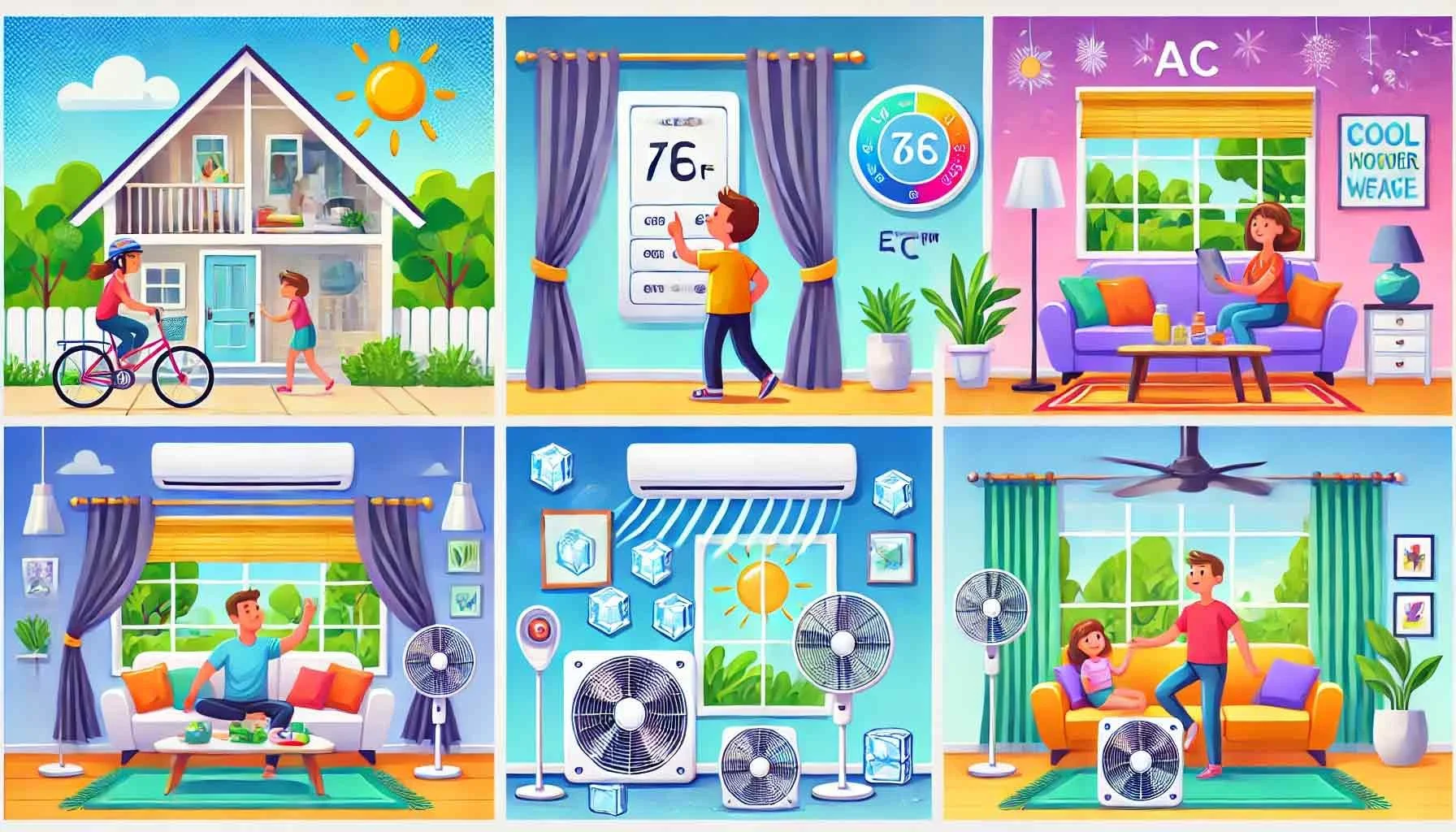
To enhance the performance of air conditioning systems during heatwaves, several techniques can be employed. One of the foremost strategies is regular maintenance. Cleaning or replacing filters, checking refrigerants, and ensuring proper airflow can significantly improve efficiency. Neglecting this aspect can lead to reduced cooling performance and increased energy costs.

Another effective method is the proper placement of the air conditioning unit. Ensuring it is located in a shaded area can decrease the workload on the system. Direct sunlight can drastically increase the temperature around the unit, which in turn raises the overall temperature of the air being cooled. Homeowners should consider adjusting their landscaping to provide adequate shade.

Using additional techniques for cooling can also assist in improving the effectiveness of air conditioners. For example, using fans in conjunction with the air conditioning can create a more comfortable environment. Ceiling fans can help circulate cool air throughout the room, allowing the air conditioner to work more efficiently.

Another suggestion is to seal doors and windows to prevent cool air from escaping. Proper insulation can maintain a stable indoor temperature by reducing the need for continuous cooling. In older buildings, this may require some renovations, but it can lead to significant savings in energy and costs over time.

Adapting Home Environments for Heat Resilience

In addition to improving the performance of air conditioning systems, modifying living spaces can contribute to a more comfortable environment during periods of extreme heat. Strategies such as incorporating reflective window films can help keep indoor spaces cooler. This reduces the amount of heat penetrating through windows, subsequently decreasing reliance on air conditioning.

Utilising natural ventilation is another effective approach to maintain comfortable temperatures. Opening windows during cooler parts of the day, such as early morning or late evening, can allow fresh air to circulate throughout the home. Effective cross-ventilation can help in moderating indoor temperatures without solely depending on air conditioning systems.

Lastly, addressing the heat-absorbing materials in the home can enhance thermal comfort. For instance, opting for lighter colours and materials for roofing can reflect sunlight rather than absorb it. These choices can contribute significantly to lowering indoor temperatures, making it easier for air conditioning units to regulate the environment.

Long or Short, get news the way you like. No ads. No redirections. Download Newspin and Stay Alert, The CSR Journal Mobile app, for fast, crisp, clean updates!

App Store –  https://apps.apple.com/in/app/newspin/id6746449540 

Google Play Store – https://play.google.com/store/apps/details?id=com.inventifweb.newspin&pcampaignid=web_share

Latest News

Popular Videos
