


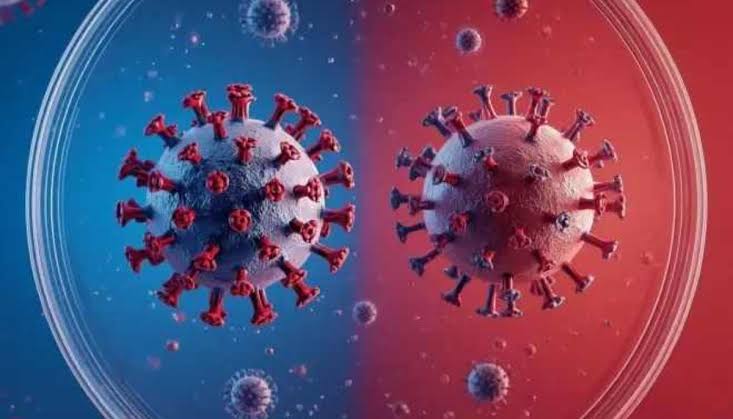
Hantavirus vs COVID-19: Are Coronavirus-Style Lockdowns a Real Possibility?
The CSR Journal Magazine

The recent hantavirus outbreak linked to the cruise ship MV Hondius has revived memories of the COVID-19 pandemic, with images of hazmat suits, quarantines and international passenger tracing sparking fears of another global health emergency. As multiple countries monitor exposed travellers and the World Health Organization (WHO) issues alerts, many are asking whether coronavirus-style lockdowns could return.

For now, health experts and global agencies say the answer is largely no.

The outbreak, which has reportedly caused several deaths and infections aboard the cruise vessel, involves the Andes strain of hantavirus – one of the rare variants capable of limited human-to-human transmission. However, epidemiologists stress that hantavirus behaves very differently from SARS-CoV-2, the virus responsible for COVID-19.

Why Hantavirus Is Different From COVID-19

COVID-19 became a global pandemic because it spread rapidly through airborne transmission. The coronavirus could infect people through casual contact, crowded indoor environments and asymptomatic carriers, making it extremely difficult to contain in the early stages.

Hantavirus, by contrast, is primarily a rodent-borne disease. Humans usually contract it through exposure to infected rodent urine, saliva or droppings, particularly in enclosed or poorly ventilated areas. According to the US Centers for Disease Control and Prevention (CDC), most infections occur after inhaling virus particles contaminated by rodents.

Experts say the Andes strain’s human-to-human transmission remains rare and generally requires prolonged close contact. WHO officials and epidemiologists have repeatedly stated that the current outbreak does not resemble the conditions that led to the COVID-19 pandemic.

Although hantavirus has a significantly higher fatality rate in severe cases – some forms of Hantavirus Pulmonary Syndrome (HPS) can kill 30 to 40 per cent of patients – it lacks the high transmissibility that drove COVID-19’s global spread.

Could Governments Still Impose Restrictions?

While nationwide lockdowns similar to those seen during COVID-19 are considered unlikely, targeted containment measures are already being used.

Passengers aboard the affected cruise ship have faced isolation protocols, medical monitoring and travel restrictions. Several countries are tracing individuals who may have come into contact with infected passengers, and some exposed travellers have reportedly entered precautionary self-isolation.

Public health experts say localised quarantines, surveillance and contact tracing are far more probable than mass shutdowns. Unlike COVID-19, where widespread community transmission overwhelmed healthcare systems globally, hantavirus outbreaks are typically small and geographically limited.

The WHO has assessed the current public health risk as “low” and does not anticipate a worldwide crisis comparable to coronavirus.

Why The Outbreak Is Still Being Taken Seriously

Despite reassurances, health authorities are not dismissing the outbreak. Hantavirus infections can escalate rapidly from mild flu-like symptoms to severe respiratory distress and organ failure.

Doctors warn that symptoms such as fever, fatigue and nausea can suddenly progress into life-threatening lung complications.

Another reason for caution is the virus’s relatively long incubation period, which can stretch from one to six weeks. This creates challenges for authorities tracking international travellers who may have been exposed during the cruise.

Scientists are also closely watching how environmental changes, urban expansion and increased human interaction with wildlife may influence future outbreaks of rodent-borne diseases.

What This Means For The Public

At present, there is no indication that the world is heading toward another round of COVID-style lockdowns due to hantavirus. The virus remains far less contagious than coronavirus, and global health agencies believe existing containment methods are sufficient.

However, the outbreak serves as a reminder that infectious disease threats continue to emerge even after the COVID era. Experts say preparedness, early detection and transparent international coordination remain critical to preventing local outbreaks from becoming larger crises.

For most people, the immediate risk remains low. But the images emerging from the cruise ship outbreak have also shown how deeply the COVID-19 pandemic changed public consciousness around infectious diseases – where even a limited outbreak can quickly trigger global anxiety.

Long or Short, get news the way you like. No ads. No redirections. Download Newspin and Stay Alert, The CSR Journal Mobile app, for fast, crisp, clean updates!

App Store –  https://apps.apple.com/in/app/newspin/id6746449540 

Google Play Store – https://play.google.com/store/apps/details?id=com.inventifweb.newspin&pcampaignid=web_share

Latest News

Popular Videos
