


India Faces Unprecedented Heatwave as UN Forecasts Ongoing Climate Extremes
The CSR Journal Magazine

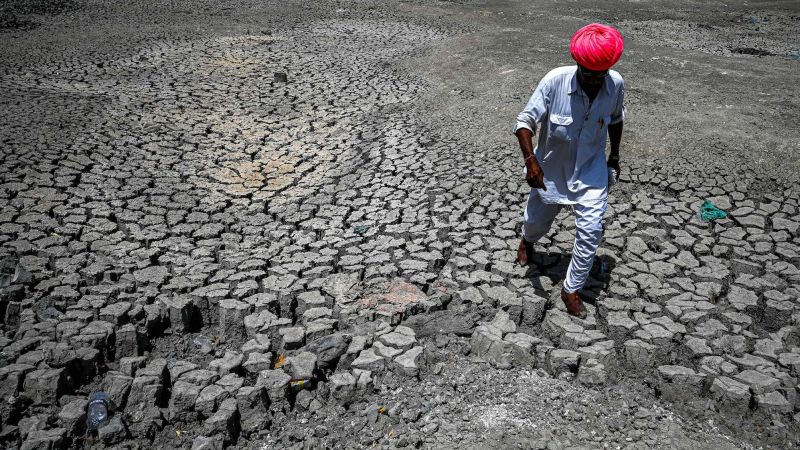
India is currently experiencing a severe heatwave, with temperatures reaching record levels that are alarming both citizens and officials. According to reports, several regions have witnessed temperature highs surpassing 45 degrees Celsius, significantly impacting daily life and health across the nation.

This extreme weather event has led to increased cases of heat-related illnesses, prompting health authorities to issue advisories for vulnerable populations, including the elderly and those with pre-existing health conditions. The intense heat is complicating the operations in industries that heavily rely on outdoor work, including agriculture and construction.

In affected areas, state governments are implementing strategies to combat the adverse effects of the heat, which include distributing water and cooling supplies, as well as advising the public to stay hydrated and minimise outdoor activities during peak hours. Educational institutions have also adjusted schedules to ensure the safety of students amidst the rising temperatures.

UN’s Alarm Over Climate Change

The United Nations recently issued a report indicating that the current climatic conditions in India are indicative of broader global trends that will likely continue in the coming years. The report warns that the country could face five more years of climate extremes, highlighting the urgent need for sustainable environmental practices.

Experts analysing the situation have pointed out that rising temperatures are a direct consequence of climate change, which is characterised by unpredictable weather patterns, increased rainfall in some regions, and prolonged dry spells in others. The consequences of these extremes, they argue, can be detrimental to agricultural output and overall economic stability.

The UN’s report emphasises the growing frequency of extreme heat events and their implications for food security. With India being one of the largest agricultural producers globally, the impact of climate change on crop yields could have significant repercussions not only domestically but also on international markets.

Government Initiatives and Public Response

In response to the ongoing heatwave, the Indian government has initiated several measures designed to mitigate the effects of extreme temperatures on the population and the economy. Emergency plans include the implementation of early warning systems to alert communities about heat conditions, alongside support for local health infrastructure.

Civil society organisations are also stepping up efforts to address the situation, offering guidance on how to cope with the heat and promote awareness of climate change issues among the public. They are advocating for a comprehensive approach that includes not only immediate relief efforts but also long-term strategies to adapt to an increasingly hostile climate.

Public response has been one of concern, as many citizens recognise the link between extreme heat and climate change. Community discussions on the importance of sustainability and the urgency of government action are gaining traction across social media platforms and local organisations.

As the nation grapples with these pressing challenges, the focus remains on finding effective solutions to combat the adverse impacts of climate change while promoting resilience across various sectors of society.

Long or Short, get news the way you like. No ads. No redirections. Download Newspin and Stay Alert, The CSR Journal Mobile app, for fast, crisp, clean updates!

App Store –  https://apps.apple.com/in/app/newspin/id6746449540 

Google Play Store – https://play.google.com/store/apps/details?id=com.inventifweb.newspin&pcampaignid=web_share

Latest News

Popular Videos
