


H1N1 Strain Circulating Not New, High-Risk People Above 65 Can Consider Flu Vaccine
The CSR Journal Magazine

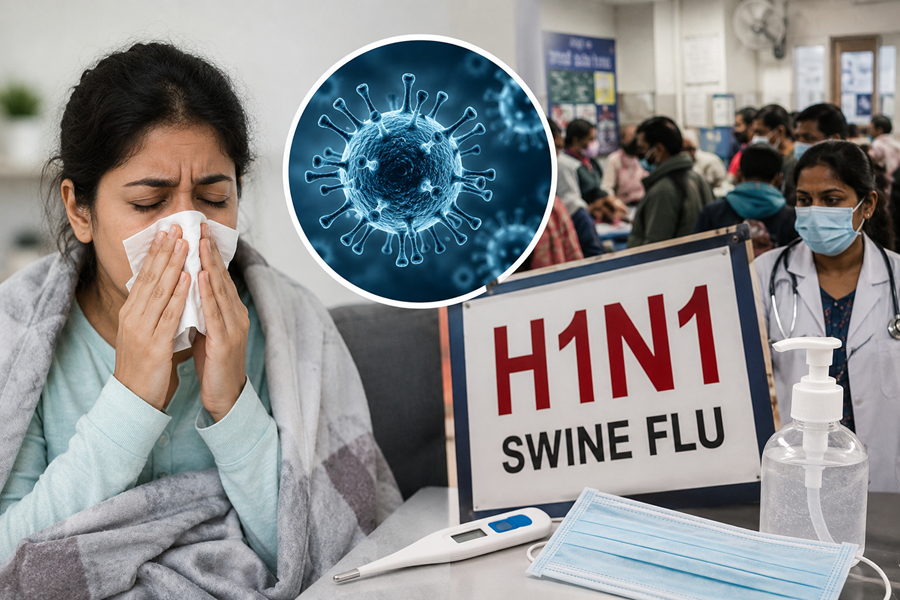
The recent circulation of the H1N1 strain has been identified as not new, according to a leading medical authority. They have advised that individuals, particularly those over the age of 65, may want to consider receiving a flu vaccine in response to this outbreak. This statement comes as part of a continuous effort to keep vulnerable populations informed about health risks associated with seasonal influenza.

Healthcare professionals stress the importance of vaccination for older adults, as they are at a higher risk for severe complications related to influenza. The medical body has emphasised the need to protect this demographic from potential health issues that may arise due to the H1N1 virus. Vaccination is cited as a crucial preventive measure in managing flu seasons.

The guidance was released amid ongoing monitoring of flu strain patterns, indicating that while H1N1 has been prevalent in the past, its current level of circulation necessitates renewed awareness among high-risk individuals.

Implications for High-Risk Populations

For people aged 65 and above, the recommendation to consider a flu vaccine serves as a proactive health measure. Reports suggest that older adults are more susceptible to severe reactions from influenza, which could lead to hospitalisation and other serious health concerns. The medical body has reiterated that flu vaccination contributes significantly to reducing the risks associated with these complications.

Healthcare workers continue to encourage older individuals to consult with their physicians to evaluate their specific health situations and determine the best course of action regarding the flu vaccine. The current strain’s characteristics, while familiar, are still of concern due to their impact on public health.

Additionally, the medical body highlights that continuous research and surveillance of flu strains are essential for identifying trends that could influence vaccine development and public health recommendations. Adherence to vaccination protocols can play a critical role in safeguarding the health of older adults during flu season.

Public Awareness and Health Education Initiatives

As the flu season approaches, public awareness campaigns are being initiated to inform communities about the importance of vaccination, especially for those within high-risk groups. These educational initiatives are crucial for enhancing understanding and encouraging populations to take steps to protect their health.

Local health authorities are expected to facilitate vaccination drives, making access easier for older individuals. Community outreach programmes aim to raise awareness of the H1N1 strain and other circulating viruses, helping dispel misinformation about the flu vaccine.

Moreover, the medical body is advocating for proactive engagement among family members and caregivers to ensure that older adults receive sound advice and support in considering vaccination. The collaborative effort aims to create an environment where informed decisions can be made, ultimately contributing to the wider public health objective of reducing flu-related morbidity and mortality.

As this situation continues to develop, medical experts remain vigilant, monitoring trends and advising on best practices for the health of vulnerable populations. The emphasis is on vaccination as a central strategy in combating seasonal influenza.

Long or Short, get news the way you like. No ads. No redirections. Download Newspin and Stay Alert, The CSR Journal Mobile app, for fast, crisp, clean updates!

App Store –  https://apps.apple.com/in/app/newspin/id6746449540 

Google Play Store – https://play.google.com/store/apps/details?id=com.inventifweb.newspin&pcampaignid=web_share

Latest News

Popular Videos
