


MP High Court Rules Against 27% OBC Quota, Restores 14% Reservation
The CSR Journal Magazine

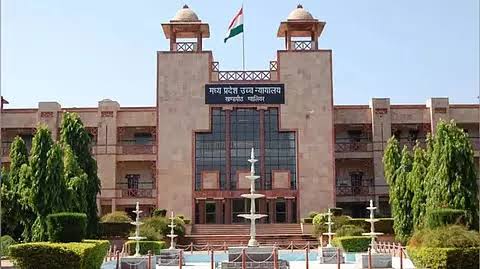
The Madhya Pradesh High Court has ruled that the 2019 amendment raising the reservation for Other Backward Classes (OBC) from 14 per cent to 27 per cent is unconstitutional. This judgment was delivered on Friday, stating the amendment contravenes the Supreme Court’s established ceiling of 50 per cent on reservations. Consequently, the Court has reinstated the reservation percentage for OBCs back to 14 per cent.

The bench, comprising Justices Anand Pathak and Vinay Saraf, noted that there were no extraordinary circumstances warranting an increase above the constitutional ceiling. As part of the ruling, the Court directed that 13 per cent of posts that had been on hold due to the pending legal challenges should be filled from the unreserved category within the next three months.

Details of the Court’s Findings

In a comprehensive 159-page ruling, the judges emphasised that the hastily drafted amendment showcased the government’s lack of preparation and attention to detail. They described the amendment as “ultra vires” to constitutional provisions, asserting that there is no substantial evidence to support the claim that OBCs require an increase in reservation from the existing 14 per cent.

The Court underscored that data relating to higher education and public service appointments indicated that OBCs were adequately represented within existing structures, further supporting their decision to overturn the increased quota. It referenced landmark Supreme Court rulings, including those in the Indra Sawhney and Jaishri Laxmanrao Patil cases, which have set precedents regarding reservation policies.

Additionally, the judges maintained that positions occupied by OBC candidates appointed under the enhanced quota between March 2019 and September 29, 2022, would not be rescinded. Instead, these appointments would be adjusted in subsequent recruitment drives, ensuring job security for those affected by the Court’s ruling.

Reactions and Political Implications

The Advocate General for Madhya Pradesh, Prashant Singh, stated that the ruling was based on careful examination of relevant documents and data, emphasising that the primary issue at hand was the proposed increase in OBC reservation, rather than the principle of reservation itself. The increase from 14 per cent to 27 per cent was originally enacted through an ordinance by the Congress government under Kamal Nath on March 8, 2019, and later became law in August of the same year.

Following the verdict, political responses have emerged. Jitu Patwari, the president of the state Congress party, announced intentions to continue advocating for the 27 per cent reservation for OBCs and hinted at a potential challenge to the ruling in the Supreme Court. Moreover, the OBC Mahasabha expressed disappointment, with leaders from the organisation indicating plans for state-wide protests to uphold OBC rights.

Former chairman of the Madhya Pradesh State Backward Classes Commission, J P Dhanopia, criticised the ruling as a manifestation of the state government’s alleged ill intentions, arguing that the government failed to present adequate evidence in support of the need for the 27 per cent reservation. The political landscape around OBC reservation in Madhya Pradesh now stands at a critical juncture as stakeholders consider their next steps following this significant legal ruling.

Long or Short, get news the way you like. No ads. No redirections. Download Newspin and Stay Alert, The CSR Journal Mobile app, for fast, crisp, clean updates!

App Store –  https://apps.apple.com/in/app/newspin/id6746449540 

Google Play Store – https://play.google.com/store/apps/details?id=com.inventifweb.newspin&pcampaignid=web_share

Latest News

Popular Videos
