


Gulf Leaders Meet in Saudi Arabia to Address Iranian Conflict
The CSR Journal Magazine

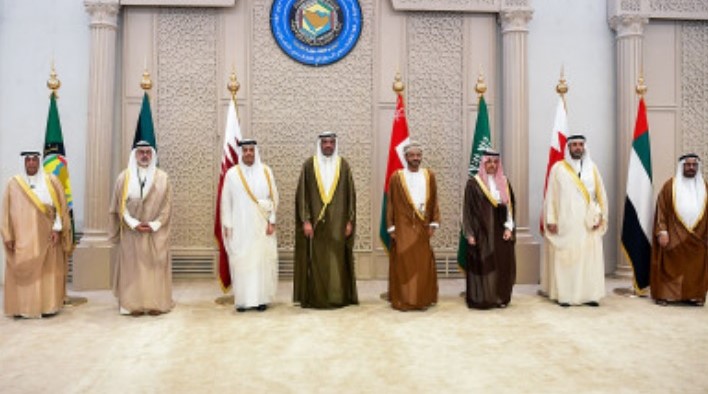
Gulf leaders assembled in Saudi Arabia on April 28, 2026, for an important meeting of the Gulf Co-operation Council (GCC) aimed at formulating a coordinated response to Iranian missile and drone assaults in recent weeks. This in-person gathering in Jeddah marks the first instance where heads of state from the region have convened since events escalated following US and Israeli strikes on Iran on February 28.

The discussions are particularly timely, as the region grapples with the potential for wider military conflict amid a fragile ceasefire between the United States and Iran. The talks are taking place against the backdrop of a ceasefire that was established on April 8, which temporarily halted major hostilities but left the atmosphere tense and uncertain.

Saudi Crown Prince Mohammed bin Salman led the meeting, which was attended by leaders from various Gulf nations. The primary focus was the evolving security situation in the region and how member states can better coordinate their responses to the ongoing threats.

Concerns Over Divide Within the GCC

The meeting also highlighted increasing divisions within the GCC, particularly as the United Arab Emirates (UAE) expressed dissatisfaction with what it perceives as an inadequate collective approach to regional security threats. Senior UAE official Anwar Gargash voiced his concerns, stating that while logistical support among GCC countries exists, the political and military backing is weaker than ever before.

Gargash articulated his surprise at the GCC’s current stance, indicating that he expected a better response given the magnitude of challenges faced. Additionally, the UAE’s recent decision to exit both OPEC and OPEC+ has contributed to tensions, with implications for oil exporting nations amid an energy crisis exacerbated by the ongoing conflict.

The critique from the UAE sheds light on underlying tensions within the GCC, complicating efforts to create a unified front in light of recent threats. The urgency of the matters at hand was evident during discussions, as representatives sought to bridge existing divides for collective security measures.

Qatar Advocates for Diplomatic Resolution

Earlier on the day of the meeting, Qatar issued warnings against the ramifications of prolonged conflict within the region. A representative from the Qatari foreign ministry stated that the nation is keen to avoid a return to hostilities and supports diplomatic solutions to conflicts in the region.

The spokesperson emphasised that Qatar has consistently advocated for resolution through negotiation and diplomacy, stressing that a sustained period of conflict or unresolved issues could lead to dangerous outcomes for Gulf nations.

This perspective resonates amid growing fears that Gulf states may become increasingly embroiled in the conflict, should tensions with Iran continue to escalate. Statements from Iranian officials alleging self-defence rights only add to the complexity of the situation, as Gulf nations reflect on their defence strategies.

Currently, Gulf states are navigating these challenges cautiously, recognising their reliance on US military presence and historical defence partnerships. As they deliberate on their next steps, the balance between maintaining sovereignty and seeking external support remains a critical concern for the region’s security landscape.

Long or Short, get news the way you like. No ads. No redirections. Download Newspin and Stay Alert, The CSR Journal Mobile app, for fast, crisp, clean updates!

App Store –  https://apps.apple.com/in/app/newspin/id6746449540 

Google Play Store – https://play.google.com/store/apps/details?id=com.inventifweb.newspin&pcampaignid=web_share

Latest News

Popular Videos
