


Government Report Claims Nearly 2,900 Criminals Detected During Delhi’s Jantar Mantar Protest 
The CSR Journal Magazine

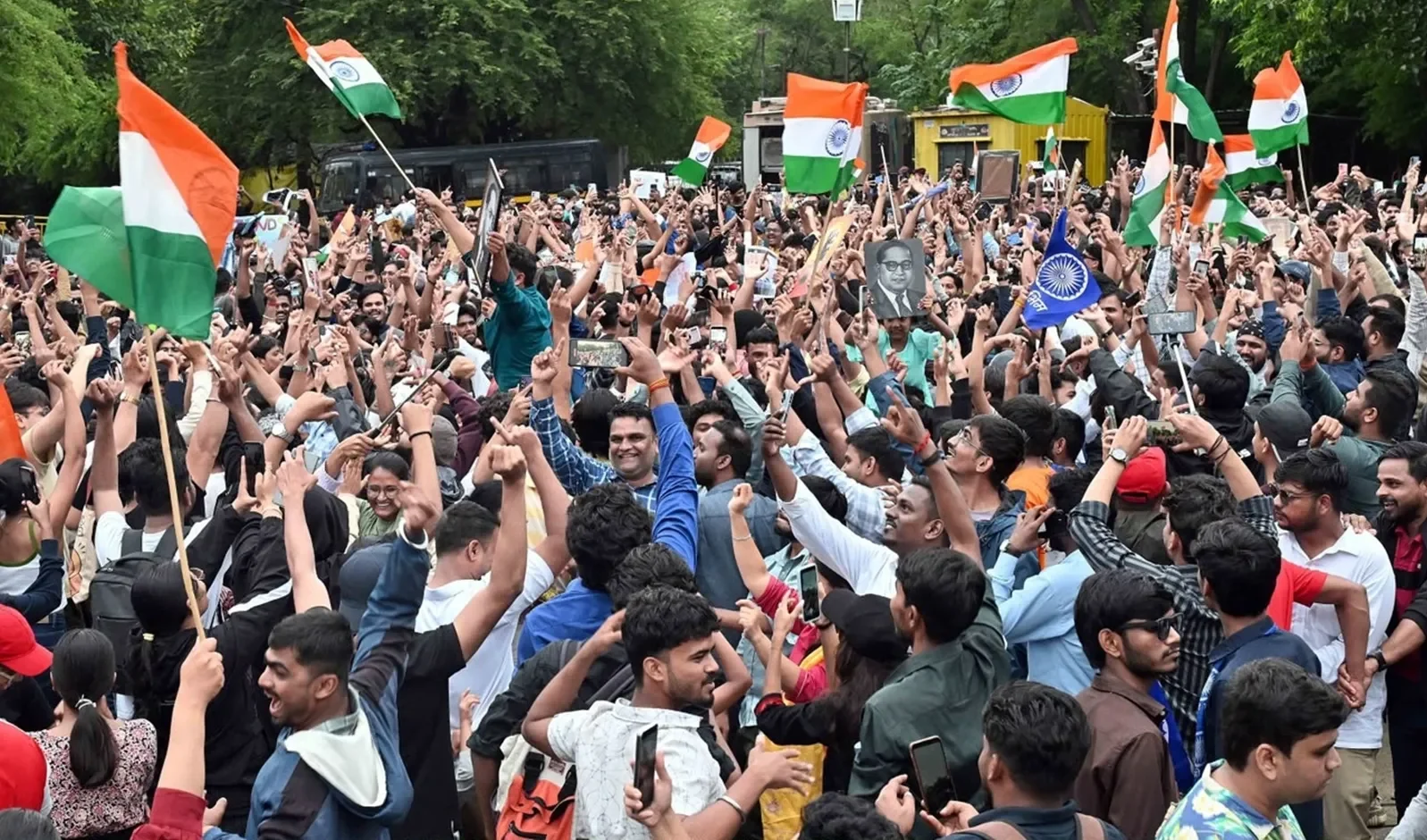
The government has announced that a facial recognition system (FRS) used at the CJP protest at Jantar Mantar in New Delhi has identified 2,873 individuals with criminal backgrounds. This information was provided in a document presented in Parliament, detailing the nationwide deployment of FRS vans during the protest event.

According to the report, 2,402 of the identified individuals were recognised through the Crime-Kundli database, while a further 471 matches were found against Dossier records. This comprehensive approach has raised questions regarding the efficacy and ethical implications of using such technology in public gatherings.

The document segregates the identified individuals by the nature of their alleged offences. Among the individuals identified, 101 are reportedly associated with murder charges and 62 with attempts to commit murder. Additionally, there were 284 individuals linked to dacoity and robbery-related crimes.

Categories of Criminal Offences Identified

The report provides a breakdown of several categories of criminal activity. It claims that 61 individuals were linked to cases of rape, while another six were mentioned in relation to offences under the Protection of Children from Sexual Offences (POCSO) Act. Moreover, 25 persons were categorised under laws pertaining to molestation of women, highlighting a disturbing trend regarding gender-based violence.

In terms of firearms-related offences, the document cites that 229 individuals were recognised under the Arms Act. Furthermore, the report includes references to 135 cases of snatching, 19 related to kidnapping, and 67 categorised under the Narcotic Drugs and Psychotropic Substances (NDPS) Act. The breadth and severity of these alleged offences suggest significant concerns for public safety.

Interestingly, the largest group identified, totalling 1,884 individuals, falls under a category labelled “Other IPCBNS and Special Laws.” This classification encompasses cases registered under various provisions of the Indian Penal Code, the Bharatiya Nyaya Sanhita, and other special legislation, indicating a wide range of legal issues involved in the protest.

Lack of Clarity on Further Actions

While the document outlines the number of criminal matches identified, it notably lacks details regarding the subsequent actions taken in response to these findings. The report does not specify whether the matches resulted in any arrests, preventive measures, or further investigations into the individuals named.

This absence of information raises concerns about transparency and accountability regarding the use of FRS technology in monitoring citizens during public protests. Critics have previously expressed apprehension about the implications of surveillance technology on civil liberties and privacy rights.

Furthermore, the criteria used for classifying these individuals remain unspecified, leaving room for speculation about the accuracy and fairness of the identifications. As technology increasingly plays a role in law enforcement, these developments warrant continued scrutiny and dialogue about their ethical ramifications.

Long or Short, get news the way you like. No ads. No redirections. Download Newspin and Stay Alert, The CSR Journal Mobile app, for fast, crisp, clean updates!

App Store –  https://apps.apple.com/in/app/newspin/id6746449540 

Google Play Store – https://play.google.com/store/apps/details?id=com.inventifweb.newspin&pcampaignid=web_share

Latest News

Popular Videos
