


Four Volunteers Successfully Complete Year-Long Mars Simulation at NASA
The CSR Journal Magazine

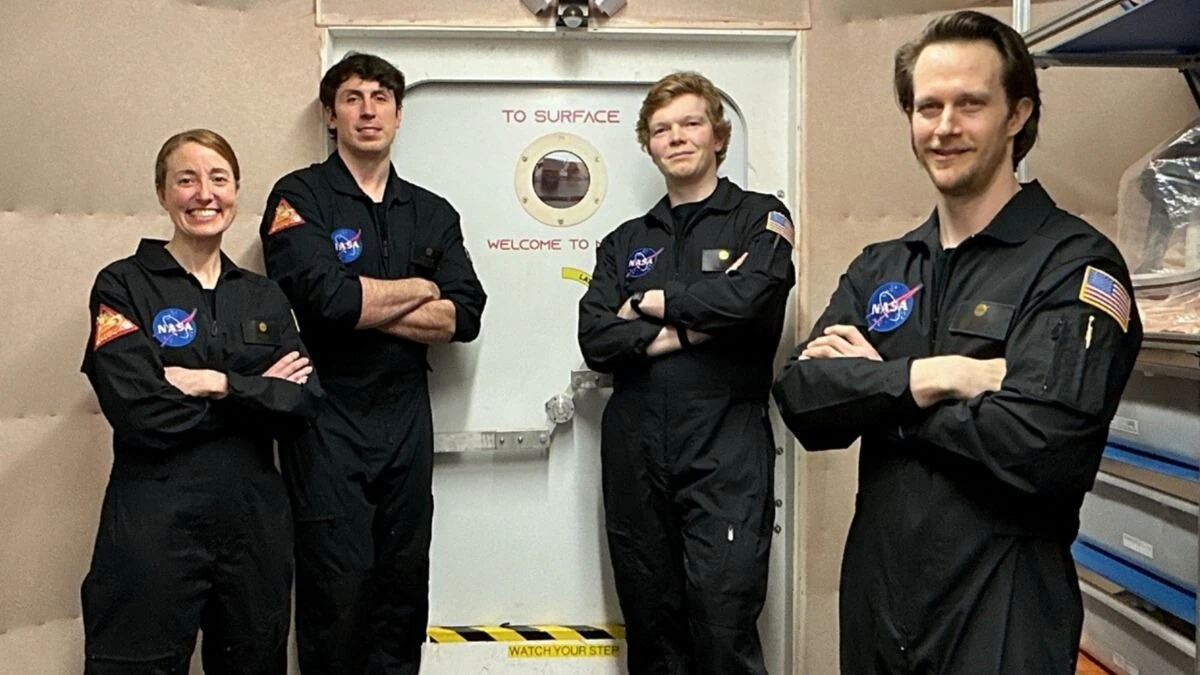
Four volunteers have successfully completed a year-long mission simulating life on Mars, focusing on the challenges of survival in an isolated environment. This initiative, part of NASA’s Crew Health and Performance Exploration Analog (CHAPEA) Mission 2, involved living in a 1,700-square-foot, 3D-printed habitat located at the Johnson Space Center in Houston, Texas. The crew members entered the habitat on October 19, 2025, and are scheduled to exit on October 31, marking the conclusion of their 378-day mission.

The primary aim of this mission is to recreate the conditions that astronauts would face during a human expedition to Mars while remaining on Earth. The crew consists of Ross Elder as the mission commander, Ellen Ellis as the medical officer, Matthew Montgomery as the science officer, and James Spicer as the flight engineer. Their experiences are being closely monitored by NASA to gather data on various aspects of long-duration space missions.

Throughout the year, the crew engaged in activities designed to mimic the realities of living on Mars. These included growing crops, managing limited resources, and conducting simulated extravehicular activities. The mission also involved restricted communication with the outside world, with crew members communicating with their families via email, simulating the delays that would occur in real Martian conditions.

Life Inside the Habitat

During their time in the habitat, the crew adhered to strict routines that mirrored the demands of a potential future expedition to Mars. They cultivated food, monitored their supplies, and performed scientific research, all while facing the challenges of isolation. The simulation aimed to understand how these factors impact physical health, psychological well-being, and overall performance during extended missions.

The communication restrictions were particularly significant, as they aimed to replicate the time delays in sending messages between Earth and Mars, which can be as long as 45 minutes each way. This aspect of the mission was crucial for studying the effects of delayed communication on decision-making and interpersonal relationships among crew members.

Grace Douglas, the principal investigator for CHAPEA, expressed pride in the crew’s dedication and accomplishments over the past year. The mission has provided valuable insights into the complexities of long-duration space travel, particularly regarding human behaviour and health in isolated environments.

Future Implications of the Research

Nasa scientists plan to analyse the health and performance data collected throughout the mission to enhance future space missions. The findings are expected to inform the design of food and exercise systems, as well as medical and psychological support tailored for extended periods away from Earth. Additionally, the research will contribute to the development of decision-making tools for situations where astronauts cannot consult mission control immediately.

After completing their time in the habitat, the crew will reconnect with their families before undergoing two weeks of medical evaluations and scientific debriefings. The knowledge gained from this mission could play a crucial role in preparing for future crewed expeditions to Mars and sustained operations on the Moon.

While the simulation cannot replicate every risk associated with the Martian environment, it offers a controlled setting for researchers to study the human challenges of exploring beyond Earth. This research is essential for ensuring the health and safety of astronauts on long-term missions in space.

Long or Short, get news the way you like. No ads. No redirections. Download Newspin and Stay Alert, The CSR Journal Mobile app, for fast, crisp, clean updates!

App Store – https://apps.apple.com/in/app/newspin/id6746449540

Google Play Store – https://play.google.com/store/apps/details?id=com.inventifweb.newspin&pcampaignid=web_share

Latest News

Popular Videos
