


Five Women Die Within Six Days After C-Sections in Rajasthan Hospital
The CSR Journal Magazine

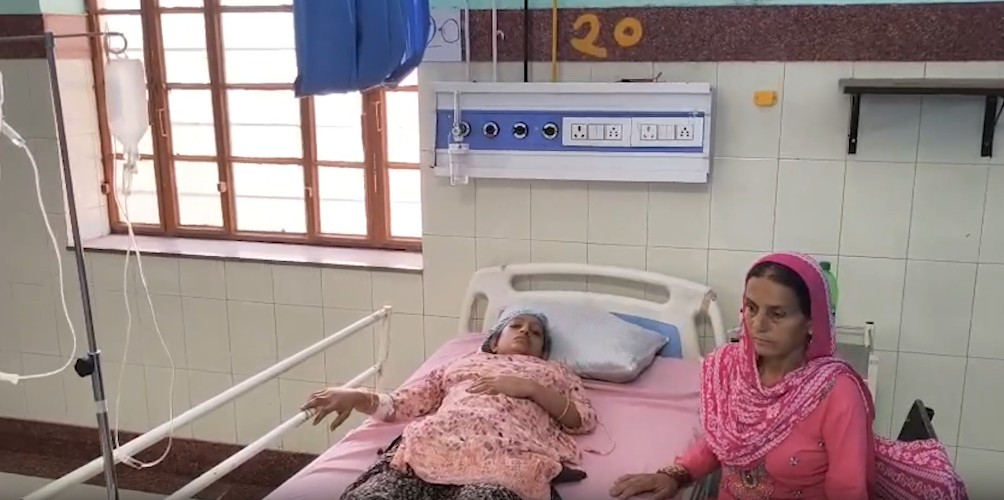
Mahatma Gandhi Hospital in Bhilwara, Rajasthan, faces scrutiny after five women died within six days in its Maternal and Child Health (MCH) wing following Caesarean deliveries. These incidents have raised allegations of medical negligence and have sparked concerns regarding patient safety within the public healthcare system of the state. The recent deaths have brought attention to the hospital’s infection control measures, especially after culture reports from the operation theatre returned positive for infections, although authorities assert that no confirmed link exists between these findings and the recent fatalities.

Hospital officials have categorically rejected the claims of negligence, arguing that the women died due to medical complications arising from their respective conditions, rather than due to any infection. The most recent victim, identified as 32-year-old Sangeeta Jinagar from Potla, passed away on July 10 after her health declined following her Caesarean section. Despite being transferred to the Intensive Care Unit (ICU), she could not be saved, leading to protests from her family, who accused the hospital of failing to provide adequate medical care.

Pattern of Maternal Fatalities Raises Alarm

Sangeeta Jinagar’s death marks a continuation of a concerning trend at the hospital, with the fatalities including Shimla Gurjar on July 5, Phori Devi on July 7, Isha Pandey on July 8, and Divya on July 9. Each of these women reportedly developed complications post-delivery, leading to their admission in the Medical ICU and subsequent deaths. Families of the deceased have voiced similar allegations, blaming both the hospital management and medical staff for deficiencies in care provision.

Since March, the total number of maternal deaths at Mahatma Gandhi Hospital has reached nine, with five occurring just within the first eleven days of July. This alarming rise in fatalities has intensified scrutiny regarding the hospital’s capacity to manage obstetric cases and the overall quality of healthcare services being offered to patients. The situation prompts serious questions about how the hospital is addressing the needs of patients undergoing surgical procedures.

Concerns have also arisen regarding the hospital’s surgical workload, given that approximately 30 to 40 Caesarean sections are performed daily. Notably, the hospital reportedly has only eight surgical instrument sets available—five for routine use and three designated for emergencies. Since each surgical set requires at least three hours for sanitisation before reuse, questions have been raised about whether the operational capacity is sufficient to handle the current volume of surgeries safely, potentially placing patients at a higher risk of infection.

Investigation and Response from Authorities

To address these serious concerns, a special committee has been formed, comprising experts from various departments including Microbiology, Surgery, Gynaecology, and Anaesthesia. This committee is tasked with investigating the recent maternal deaths to determine whether there were any systemic issues or procedural oversights that contributed to these fatalities. Bhilwara District Collector Jasmeet Singh Sandhu conducted an inspection of the hospital and reviewed existing reports, dismissing any claims that infections were the cause of the deaths. He stated that the deceased women suffered from various medical reasons, and that all necessary precautions were being adhered to.

In light of these events, the ongoing investigation aims to uncover any lapses that might warrant further action against those deemed responsible. The Bhilwara deaths follow a troubling pattern in Rajasthan, where similar incidents have occurred, including the deaths of five women post-childbirth in a government hospital in Kota in May, and six women developing complications in Bikaner in June, leading to two fatalities.

The outcomes of the Bhilwara investigation are awaited with great anticipation, as they will clarify whether institutional failures contributed to these tragic incidents and the potential implications for patient safety and care standards in the region’s healthcare facilities.

Long or Short, get news the way you like. No ads. No redirections. Download Newspin and Stay Alert, The CSR Journal Mobile app, for fast, crisp, clean updates!

App Store –  https://apps.apple.com/in/app/newspin/id6746449540 

Google Play Store – https://play.google.com/store/apps/details?id=com.inventifweb.newspin&pcampaignid=web_share

Latest News

Popular Videos
