


Over 60% of Karachi Residents Reside in Informal Settlements
The CSR Journal Magazine

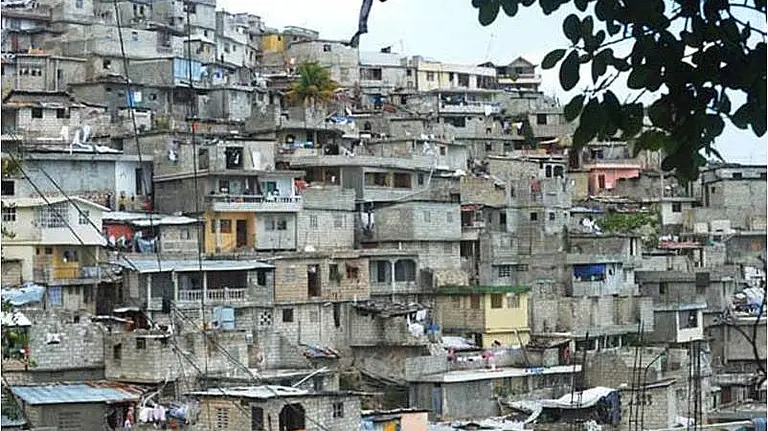
More than 60% of Karachi’s population lives in informal settlements, highlighting a severe shortage of affordable and planned housing. Rapid population growth and rising demand for employment have placed increasing pressure on the city’s already strained housing infrastructure.

Rapid Migration and Housing Shortage

Karachi has attracted large numbers of migrants from across Pakistan over the years. However, housing development has failed to keep pace with population growth. As a result, many low-income families have been pushed outside the formal housing system.

Early Government Housing Schemes

Initial government efforts focused on formal residential schemes such as Pakistan Quarters, Martin Quarters, Federal B Area, and Paposh Nagar. However, these projects largely benefited government employees and public servants, leaving many low-income households without access to affordable formal housing.

The Greater Karachi Plan

One of the earliest attempts at comprehensive urban planning was the Greater Karachi Plan, prepared by Swedish consultancy Merz Rendel Vatten and published in 1951. The plan proposed satellite towns, industrial zones, improved transport links, and planned residential areas to manage Karachi’s expansion in an organized manner.

Informal Settlements Continue to Expand

Despite successive government plans, development projects, and resettlement initiatives, Karachi’s housing shortage remains unresolved. Informal settlements continue to expand as affordable formal housing remains out of reach for many residents.

Housing Linked to Wider Urban Challenges

Karachi’s housing crisis is closely connected with employment, transportation, education, and established social networks. People often choose locations based on access to jobs and essential services, making relocation to distant housing schemes difficult.

Broader Planning and Governance Challenges

Pakistan’s major cities continue to face shortages of housing, transport, sanitation, and basic public services. Weak implementation of development plans and limited institutional capacity have further widened the gap between urban needs and available infrastructure.

The Need for Effective Urban Planning

Karachi’s persistent housing crisis reflects broader challenges in urban governance and planning. Addressing the problem requires affordable housing, better infrastructure, improved transportation, and stronger implementation of long-term urban development policies.

Latest News

Popular Videos
