



Diabetic? You Can Still Enjoy Rice, Here is How!

The CSR Journal Magazine

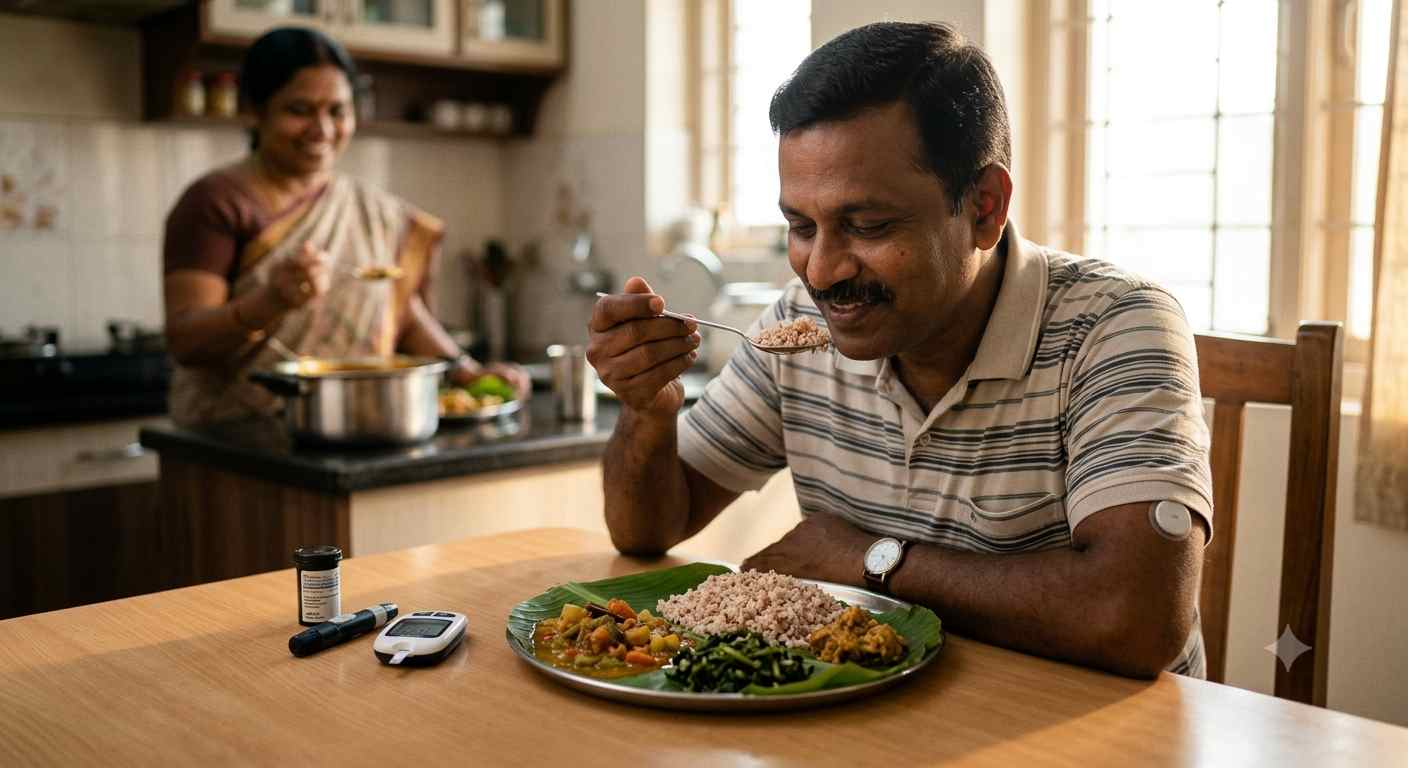
Rice has often been viewed as detrimental for individuals with diabetes; however, Dr Anoop Misra, a prominent diabetologist at Fortis Healthcare, contends that rice does not have to be excluded from their diets. He emphasises that the approach to consuming rice is more crucial than the mere decision to eat it. During a discussion on the Health Podcast with Sonal Mehrotra Kapoor, Dr Misra highlighted the importance of pairing rice with other food categories.

Dr Misra recommends that rice should never be consumed in isolation. He suggests starting meals with vegetables or salad, followed by a small portion of protein-rich foods, such as dal or rajma, before eating rice. This method, referred to as ‘double preload,’ has been shown to mitigate blood sugar spikes often associated with rice consumption.

By adopting this eating hierarchy, individuals can significantly lessen their post-meal glucose levels. Dr Misra asserted that consuming protein prior to rice leads to slower carbohydrate absorption, which is beneficial for blood sugar management.

Evidence Supporting the ‘Double Preload’ Approach

Dr Misra cites a Japanese study that confirms that consuming vegetables before carbohydrate intake can lower blood glucose levels after meals. He describes this approach as straightforward yet effective, with substantial improvements noted in post-meal blood sugar levels. This technique can also be advantageous for individuals requiring insulin, including pregnant women with diabetes and children diagnosed with Type 1 diabetes.

In addition to meal sequencing, Dr Misra also discusses food portioning, particularly during dinner. For those accustomed to eating two rotis, he urges substituting one roti with approximately one-and-a-half bowls of rice, or if preferring rice entirely, to forgo roti in favour of brown rice while adhering to the preload method.

According to Dr Misra, controlling portions is equally as vital as the sequence of food consumed. When incorporating rice, it should not be piled on top of an already carbohydrate-heavy meal, but rather balanced with other components of the meal.

Strategies for Monitoring Blood Sugar Levels

Dr Misra also elaborates on the varying impacts of different foods on blood sugar levels, noting that rice typically elicits a more substantial glycaemic response compared to roti. This variance makes it necessary for individuals with diabetes to monitor their blood sugar levels post-meal to understand their body’s specific responses.

He stresses the importance of regular blood sugar monitoring, as every individual’s tolerance can differ significantly. Therefore, maintaining awareness of one’s own body reactions is crucial in managing diabetes.

Furthermore, Dr Misra offers advice on incorporating curd into the evening routine for individuals with diabetes. He recommends having curd with dinner or as a bedtime snack, as it can prevent nocturnal hypoglycemia and support better fasting sugar control in the morning. He points out that curd is also beneficial for liver health.

In summary, Dr Misra conveys that living with diabetes does not necessitate abandoning rice altogether. The focus should be on how rice is consumed—never in isolation, beginning meals with vegetables, including a protein source, being mindful of portions, and closely monitoring blood sugar responses. Implementing these straightforward habits can enable those with diabetes to enjoy rice while effectively managing blood glucose levels.

Long or Short, get news the way you like. No ads. No redirections. Download Newspin and Stay Alert, The CSR Journal Mobile app, for fast, crisp, clean updates!

App Store –  https://apps.apple.com/in/app/newspin/id6746449540 

Google Play Store – https://play.google.com/store/apps/details?id=com.inventifweb.newspin&pcampaignid=web_share

Latest News

Popular Videos