


Dhurandhar: The Revenge’s ‘Hum Mard Hain’ Line Ignites Debate on Masculinity and Gender Stereotypes

The CSR Journal Magazine

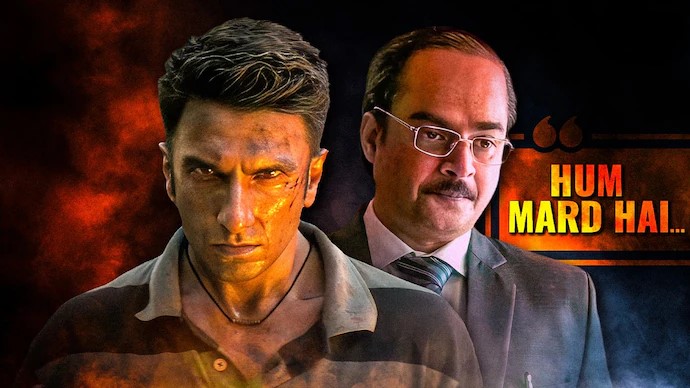
The latest installment of the Dhurandhar series, titled Dhurandhar: The Revenge, features a crucial dialogue that encapsulates the journey of its protagonist, Ajay Sanjyal, portrayed by R Madhavan. At a pivotal moment, the character states, “Hum mard hain, Jaskirat. Paida hone se maut tak, humara kartavya hai ladna,” setting the tone for emotional depth in the narrative. This exchange occurs between Ajay and Jaskirat Singh Rangi, depicted by Ranveer Singh, at a moment when the film requires heightened emotional engagement. The conversation highlights the burdens of duty and sacrifice, devoid of any expectation for recognition or applause, emphasizing commitment to a cause beyond oneself.

Endurance Without Recognition

The film’s dialogue serves to establish the foundational rules of its world, where acts of service and sacrifice often go unnoticed. The central theme of “Balidan Param Dharma” resonates throughout the narrative. However, the phrase “Hum mard hain” carries a heavier weight, introducing gendered connotations into a conversation about endurance and duty. It transforms the discussion from one of universal responsibilities associated with sacrifice into a notion intertwined with masculinity. This raises questions about the implications of framing endurance within the context of gender.

Language and Its Impact on Themes

The intent behind the dialogue remains clear, contributing to the film’s overarching vision. However, the choice to associate endurance primarily with masculinity prompts further reflection. This dialogue suggests that experiencing pain without acknowledgment is a quality of manhood, echoing a long-standing trope prevalent in Hindi cinema. While Dhurandhar: The Revenge does not explicitly exclude others from the narrative, the language employed may inadvertently limit the interpretation of sacrifice.

Wider Implications of Gendered Language

By framing sacrifice in terms of masculinity, the film risks constraining the broader understanding of sacrifice, which extends beyond individual identities. The concept of duty should reflect a multitude of experiences and perspectives. A revised framing could keep the essence of the scene intact while broadening its resonance. The film must grapple with its role in shaping perceptions surrounding sacrifice, particularly when it caters to a wide audience.

Performances and Emotional Weight

Despite the potential flaws in the dialogue, both Ranveer Singh and R Madhavan deliver compelling performances. Singh’s portrayal of Jaskirat underscores the emotional weight of the words, while Madhavan’s character embodies the authority expected of a RAW chief. The interaction between the two characters succeeds in conveying the essence of the scene, even as the dialogue itself prompts a reconsideration of its implications.

Navigating Tradition and Modernity

As Dhurandhar: The Revenge continues to captivate audiences, the resonance of its dialogue raises significant questions about the legacy of gendered narratives within cinema. While the film skillfully addresses various aspects of sacrifice, the implications of language remain noteworthy. As the dialogue circulates among viewers, its framing will contribute to the ongoing discourse surrounding both the themes of the film and the representations of masculinity and duty in contemporary Indian cinema.

Long or Short, get news the way you like. No ads. No redirections. Download Newspin and Stay Alert, The CSR Journal Mobile app, for fast, crisp, clean updates!

App Store –  https://apps.apple.com/in/app/newspin/id6746449540 

Google Play Store – https://play.google.com/store/apps/details?id=com.inventifweb.newspin&pcampaignid=web_share

Latest News

Popular Videos