


China’s Oil Reserves Mitigate Iran Conflict Impact Ahead of Trump-Xi Discussions
The CSR Journal Magazine

The current geopolitical climate surrounding Iran has resulted in notable volatility within global oil markets. Six months following the initiation of military actions led by the United States against Iran, severe predictions regarding skyrocketing oil prices have largely failed to materialise. Despite the ongoing conflict, experts acknowledge that China’s strategic energy policies have significantly contributed to stabilising prices globally.

As President Xi Jinping’s state visit to Washington approaches, discussions involving Iran are anticipated to be a focal point in the upcoming talks with President Donald Trump. The American administration faces domestic pressures related to soaring petrol costs while attempting to maintain a delicate trade relationship with Beijing.

Analysts highlight that China’s substantial oil reserves and decreased import levels have alleviated global demand. However, they warn that the prevailing circumstances in the Middle East remain precarious, potentially influencing future price trajectories.

China’s Strategic Energy Initiatives

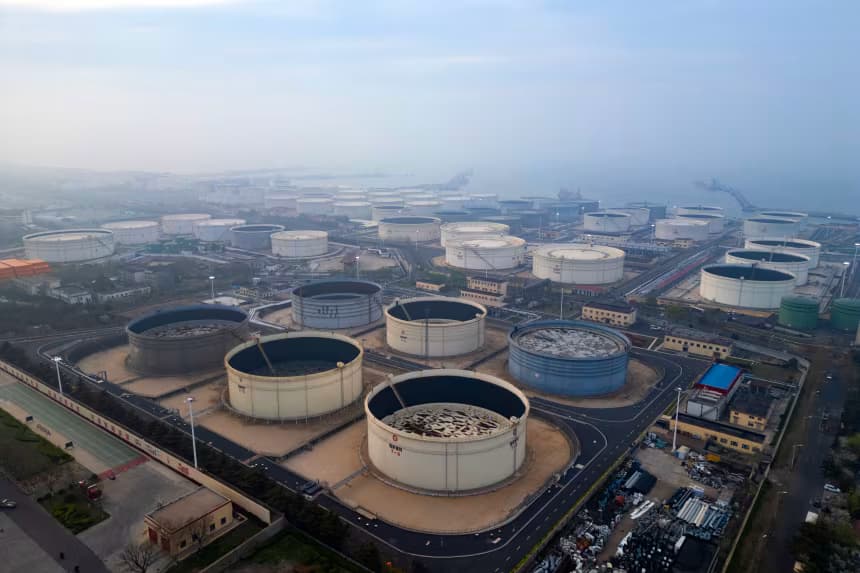
Significant investment by China in oil reserves has been instrumental in its current position. It is estimated that the nation possesses the largest strategic oil stockpile in the world, with the United States Energy Information Administration recording approximately 1.4 billion barrels by the end of 2022. This long-term strategy has been a core component of China’s recent five-year developmental plan aimed at achieving energy independence and cushioning against foreign supply vulnerabilities.

Following military escalations, including aerial attacks initiated by the United States and Israel, Beijing managed to drastically reduce its crude imports, notably impacting global supply levels. Additionally, China’s transition towards electric vehicles and alternative energy sources contributed to diminished oil needs, further softening price increases that would otherwise affect various economies, including the United States and Europe.

Experts believe that the resilience exhibited by China in managing its energy reserves has profited the U.S. economy indirectly, noting that this approach has allowed China to adapt more swiftly than others, further stabilising the oil market during turbulent times.

Future Implications of the Iran Conflict

Despite existing benefits, analysts express concerns regarding new challenges posed by recent military actions in the region. Attacks attributed to Iran-aligned militias have resulted in temporary shutdowns of vital oil transportation routes in Saudi Arabia, with implications for the global supply chain. Concurrently, tensions in the Red Sea have escalated as Yemen’s Houthi forces seized key locations, intensifying risks for crucial shipping lanes.

Upcoming meetings between Trump and Middle Eastern leaders of the Gulf Cooperation Council in New York reflect ongoing regional deliberations about the stability of the Strait of Hormuz, further influencing expectations for oil prices. Market analysts from Bank of America anticipate an average price of $83 per barrel for the latter half of the year, with potentially higher peaks if conflict escalates within the region.

Contrasting perspectives indicate that the U.S. administration faces difficulties in persuading China to exert pressure on Iran, particularly concerning its military ambitions. Although Trump publicly acknowledges the need for cooperation, the relationship remains complicated by differing interests and approaches to the ongoing conflict.

Long or Short, get news the way you like. No ads. No redirections. Download Newspin and Stay Alert, The CSR Journal Mobile app, for fast, crisp, clean updates!

App Store –  https://apps.apple.com/in/app/newspin/id6746449540 

Google Play Store – https://play.google.com/store/apps/details?id=com.inventifweb.newspin&pcampaignid=web_share

Latest News

Popular Videos
