


China and Pakistan Reiterate Kashmir Issue After Shehbaz Sharif’s Visit
The CSR Journal Magazine

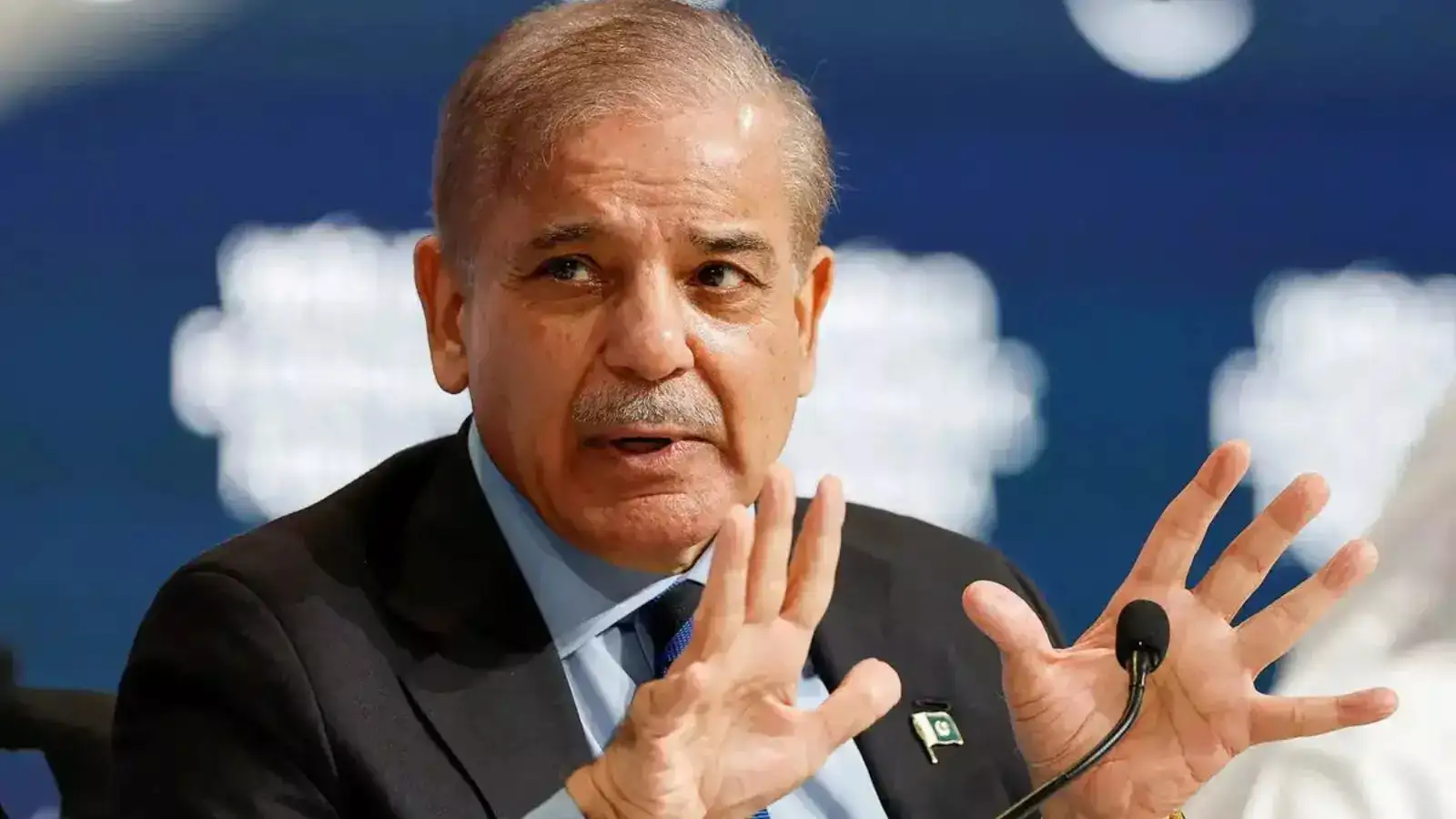
The recent four-day trip by Pakistani Prime Minister Shehbaz Sharif to Beijing, which took place from 23 to 26 May, was marked by traditional diplomatic exchanges and bilateral agreements. However, the discussions shifted focus to the contentious Kashmir issue, with the joint statement from the visit labelling it as “left over from history.” It called for a resolution in line with United Nations Security Council resolutions, prompting immediate reactions from India.

India’s Ministry of External Affairs reacted quickly, strongly rejecting any mention of Jammu and Kashmir in the context of the joint statement. The MEA reaffirmed that Jammu and Kashmir and Ladakh are integral parts of India, asserting that no other nation has the right to comment on this matter. This underscores the sensitive nature of the Kashmir dispute in diplomatic discourse.

Strategic Interests Behind the Statements

The ongoing emphasis on Kashmir from both Pakistan and China reveals underlying strategic motivations rather than genuine concern for the region. For Pakistan, having China publicly address Kashmir represents a diplomatic achievement that can be showcased domestically. China, on the other hand, incurs minimal costs while reinforcing its relationship with Islamabad, which ensures ongoing support from Pakistan on key issues such as the One China Policy regarding Taiwan.

The arrangement is mutually beneficial; Pakistan endorses initiatives like the China-Pakistan Economic Corridor while facilitating China’s interests in Gwadar Port, considered vital by Beijing for securing a presence on the Arabian Sea. The inclusion of Kashmir in the joint statement serves as a calculated gesture on China’s part, aimed at maintaining its alliance with Pakistan while simultaneously managing its ties with India.

India has voiced significant concerns regarding not only the Kashmir references but also the detail of the China-Pakistan Economic Corridor. The MEA has called out projects along the corridor as infringing on Indian sovereignty, particularly those in Gilgit Baltistan and areas of Pakistan-occupied Kashmir. This assertion highlights India’s position that these territories, which were part of the princely state of Jammu and Kashmir, belong to India based on its historical accession in 1947.

Reactions to Transboundary Water Cooperation

India’s objections extend further to the discussions of transboundary water resource cooperation between China and Pakistan. The Indian government maintains that since the rivers involved flow through Indian territory, there exists no transboundary relationship between the two nations concerning these water resources. India has consistently rejected any legitimisation of the 1963 boundary agreement that purportedly ceded the Shaksgam Valley to China, a territory India claims as its own.

The phrase “left over from history” used in joint statements is particularly noteworthy, as it positions the Kashmir issue as a lingering question from the partition, which is contrary to India’s perspective that regards the matter as internally settled. This language echoes Pakistan’s longstanding narrative in international conferences and directly challenges India’s 2019 revocation of Jammu and Kashmir’s special status.

In response to the evolving geopolitical scenario and continued assertions from China and Pakistan, India has opted to strengthen partnerships with the United States, Japan, and Australia, particularly through the Quad alliance. By doing so, India aims to reinforcing its sovereignty and position on the Kashmir issue while avoiding any framing that implies external involvement.

Long or Short, get news the way you like. No ads. No redirections. Download Newspin and Stay Alert, The CSR Journal Mobile app, for fast, crisp, clean updates!

App Store –  https://apps.apple.com/in/app/newspin/id6746449540 

Google Play Store – https://play.google.com/store/apps/details?id=com.inventifweb.newspin&pcampaignid=web_share

Latest News

Popular Videos
