


China Faces Global Scrutiny As Uyghur Groups Warn Ethnic Unity Law Deepens Repression
The CSR Journal Magazine

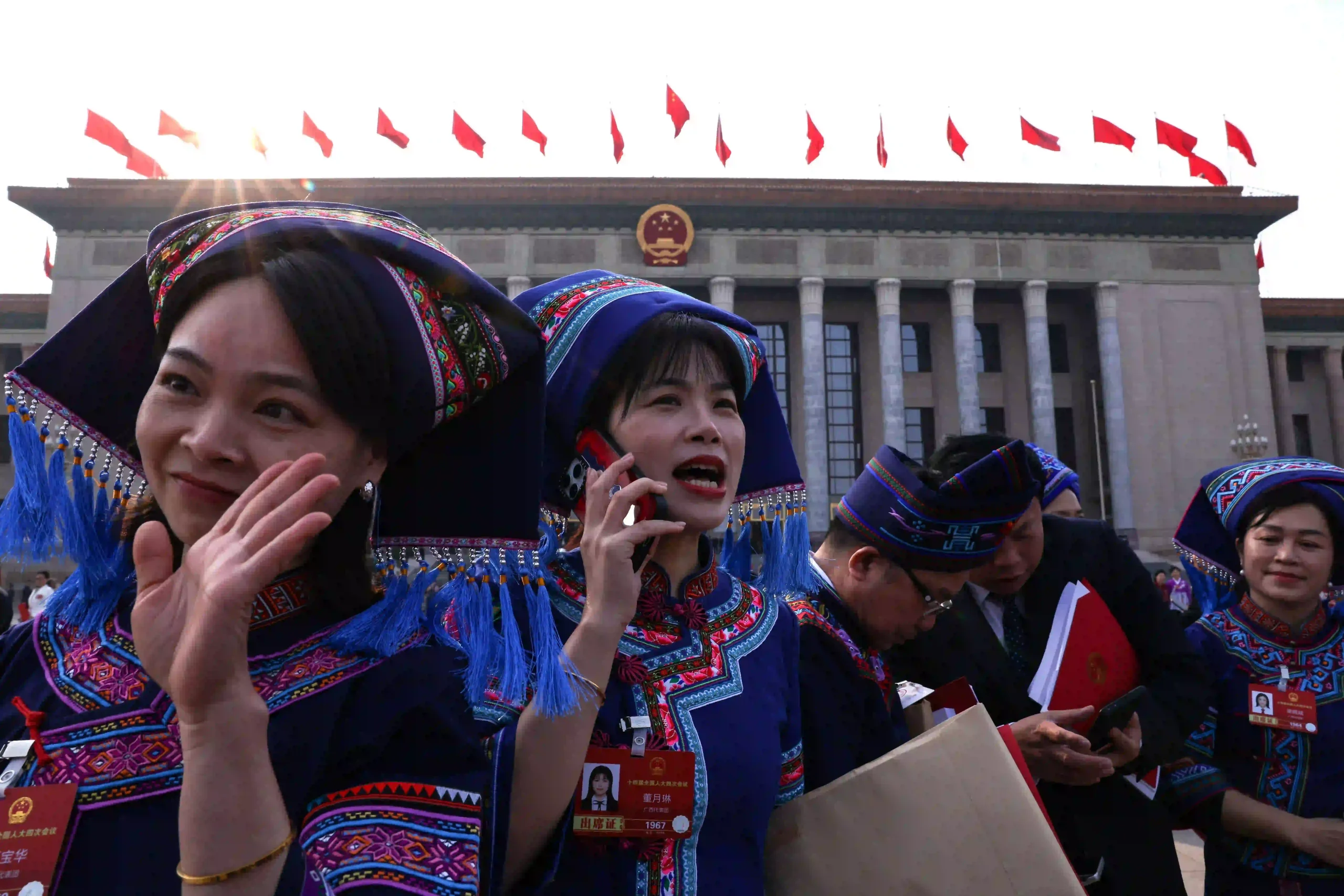
The World Uyghur Congress (WUC) has raised alarms regarding China’s Ethnic Unity and Progress Law, asserting that it may further suppress the cultural identities of ethnic minorities within the country. Vice President Zumretay Arkin recently voiced these concerns during an appearance on Al Jazeera’s Inside Story on July 3. She indicated that the law obliges minority groups to adopt a Chinese national identity, which could lead to the erosion of their unique cultural markers.

Article 63 of the new law has also come under scrutiny, with Arkin highlighting its extraterritorial provisions. These aspects are reportedly designed to facilitate greater control and repression over diaspora communities and international activists, potentially allowing Beijing to extend its repressive tactics beyond its borders. Such implications have intensified discussions about the evolving threats faced by Uyghurs and other minorities globally.

International Response and Historical Context

The issue of China’s human rights record continues to provoke significant debate. An article published by Al Jazeera on July 6 addressed the United Nations’ alleged failures in preventing six genocides, including the ongoing persecution of Uyghurs in Xinjiang. The report critically evaluated past atrocities, such as those in Rwanda and Srebrenica, questioning whether future UN discussions regarding genocide prevention might lead to effective interventions against mass violence.

On the same day, Arkin published an opinion piece in the Canadian newspaper La Presse. In her article, she reflected on the Urumqi unrest of 2009, asserting that conditions for Uyghurs have deteriorated markedly over the past 17 years. She warned that the new law, coupled with increasing propaganda efforts by the Chinese government, presents significant obstacles for Uyghurs residing outside the country.

Meanwhile, Rushan Abbas, the Executive Director of Campaign for Uyghurs, contributed to the discourse with an opinion piece in Fox News on July 8. Abbas contended that the authoritarian measures enacted by Beijing extend beyond the Xinjiang region, posing risks to democratic societies at large. She pointed out that the same oppressive tactics employed against Uyghurs, Tibetans, and Southern Mongolians could similarly threaten Taiwan and other free societies, adding urgency to the global response.

Efforts to Combat Forced Labour

The World Uyghur Congress has expressed support for recent international initiatives aimed at addressing forced labour practices. It has welcomed Canada’s proposed Bill C-35, which seeks to legislate against forced labour, as well as the United Kingdom’s pledge to prohibit imports produced under such conditions. Additionally, the WUC commended new European Union guidelines aimed at preventing products made with forced labour from entering the EU market.

The WUC sees these measures as vital steps towards alleviating human rights violations tied to forced labour, particularly in the context of Uyghur forced labour allegations in Xinjiang. They assert that coordinated global action is essential to ensure that ethical standards are upheld in international trade and diplomatic relations.

Overall, the ongoing discourse around the treatment of Uyghurs and the implications of China’s new law continues to attract international attention and concern. The developments emphasise the need for both national and international stakeholders to address human rights issues comprehensively, particularly in light of historical patterns of repression.

Long or Short, get news the way you like. No ads. No redirections. Download Newspin and Stay Alert, The CSR Journal Mobile app, for fast, crisp, clean updates!

App Store –  https://apps.apple.com/in/app/newspin/id6746449540 

Google Play Store – https://play.google.com/store/apps/details?id=com.inventifweb.newspin&pcampaignid=web_share

Latest News

Popular Videos
