


Centre Introduces Amendments to Combat Paper Leaks in Lok Sabha
The CSR Journal Magazine

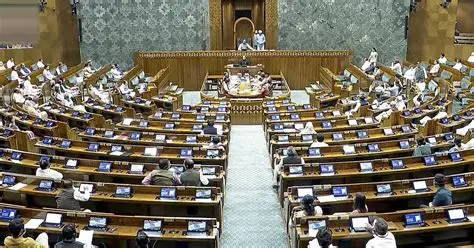
The Central Government is set to present the Public Examinations (Prevention of Unfair Means) Amendment Bill, 2026, in the Lok Sabha on Monday. This legislative move is taking place amidst political unrest, widespread protests, and the recent resignation of Union Education Minister Dharmendra Pradhan. The Union Minister of State for Personnel, Public Grievances and Pensions, Dr. Jitendra Singh, will initiate the process to introduce the Bill.

This proposed amendment introduces seven significant changes intended to address gaps in enforcement, establish dedicated judicial mechanisms, and expedite criminal proceedings. This comes in response to reported irregularities in the NEET-UG 2026 examination, heightening the need for stringent reforms.

Moreover, these changes aim to overhaul the existing 2024 regulations, ensuring that investigations and judicial proceedings adhere to strict time constraints. State Governments and Union Territory Administrations will have the ability to designate Courts of Session as Special Fast Track Courts, exclusively handling offences under the Act.

Expedited Judicial Processes and Enhanced Enforcement

Provisions outlined in the amendment stipulate that Special Fast-Track Courts will conduct day-to-day hearings, with trials required to conclude within three months from the filing of charges. This attempt to accelerate the legal process reflects the urgency felt by the government to tackle examination malpractices effectively.

The Centre will retain the capability to establish a Special Task Force dedicated to managing high-stakes or cross-state examination frauds, which have been flagged as pressing issues. Investigations into offences under the new Act are mandated to be completed within two months to avoid unnecessary procedural delays.

Additionally, State Governments and Union Territory Administrations will have the authority to appoint specialised legal counsel specifically for prosecuting examination-related offences. This strategic move aims to enhance the efficiency and effectiveness of legal proceedings against those involved in cheating and malpractice.

Context of Recent Resignations and Political Pressure

The introduction of the amendment bill follows a turbulent political landscape marked by a 37-day-long protest led by the Cockroach Janata Party (CJP) and activist Sonam Wangchuk. This demonstration culminated in the resignation of Education Minister Dharmendra Pradhan and resulted in several high-level discussions with Union Ministers JP Nadda and Jitendra Singh.

While the CJP has formally ended its sit-in at Jantar Mantar, citing a good-faith understanding with the Centre, the focus now shifts to the upcoming session in Parliament. The proposed 2026 Amendment Bill represents a pivotal moment for the government, aiming to restore institutional credibility and reaffirm public trust in national testing agencies.

The proposed changes not only address pressing concerns surrounding examination integrity but also seek to safeguard the future prospects of students aspiring to clear competitive exams. The success of this legislative effort will be closely monitored as it unfolds in Parliament.

Long or Short, get news the way you like. No ads. No redirections. Download Newspin and Stay Alert, The CSR Journal Mobile app, for fast, crisp, clean updates!

App Store –  https://apps.apple.com/in/app/newspin/id6746449540 

Google Play Store – https://play.google.com/store/apps/details?id=com.inventifweb.newspin&pcampaignid=web_share

Latest News

Popular Videos
