


Ceiling Fans vs Air Coolers: Which is More Energy Efficient?
The CSR Journal Magazine

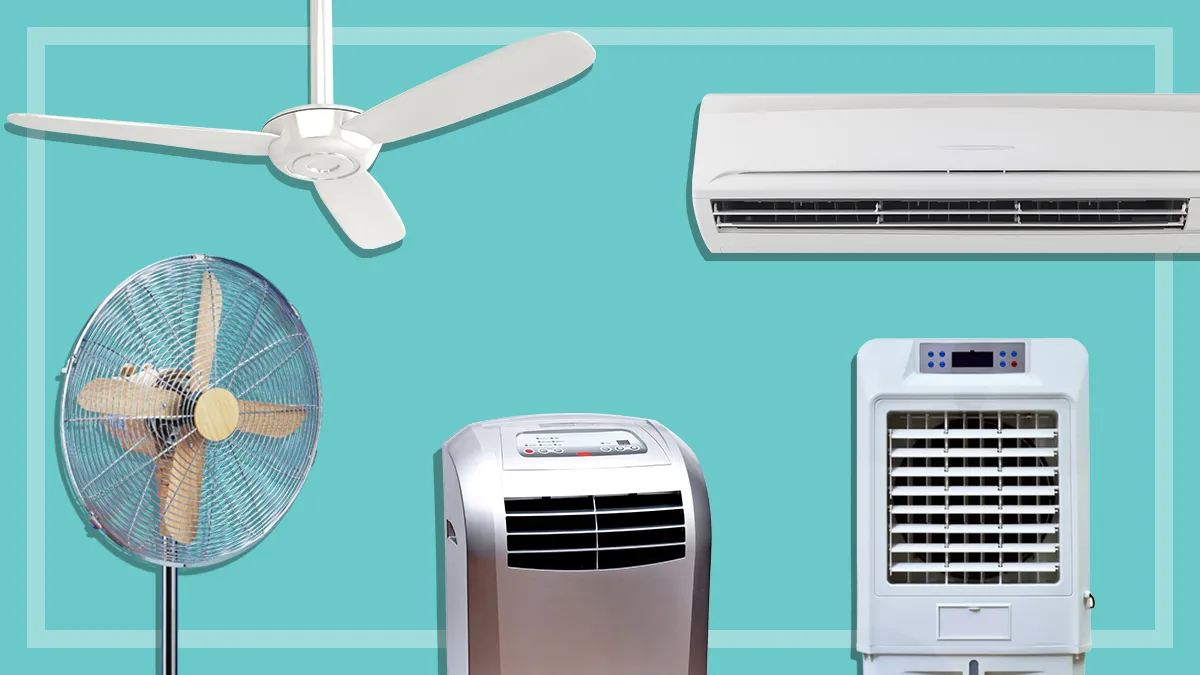
The primary function of a ceiling fan is to enhance the circulation of air within a room rather than to lower its temperature. This circulation creates a wind-chill effect, promoting the evaporation of sweat from the skin, which can lead to a perceived cooling sensation. Ceiling fans perform optimally in environments that are well-ventilated and where temperatures are moderate.

Additionally, these fans operate quietly and are a cost-effective solution for many households. With diverse designs available, they can complement a variety of interior decors while serving their practical purpose. Regular maintenance usually involves simple tasks like dusting and ensuring secure fittings, making them an accessible choice for many. Their energy efficiency contributes to lower monthly electricity bills.

Examining Air Coolers

Air coolers provide a different approach to cooling by utilising the principle of evaporation. They function by drawing in warm air and passing it through water-soaked cooling pads. As the air moisturises, it cools before being distributed back into the room. This method is particularly effective in dry climates where the humidity level is low, as the evaporation process can reduce the air temperature significantly.

Despite their effectiveness in specific conditions, air coolers necessitate more energy than ceiling fans. Their power consumption typically ranges from 80 to 250 watts, depending on the model and specifications. This increased energy requirement means that although they offer better cooling, they may not always be the most economical choice for households focused on electricity conservation.

Maintenance for air coolers is more demanding than that for ceiling fans. Regular tasks include refilling the water tank, cleaning cooling pads, and performing checks to avoid mould growth and unpleasant odours. This level of upkeep can be seen as a disadvantage for some users.

Evaluating Cost-Effectiveness and Climate Suitability

For consumers primarily concerned about reducing their electricity costs, ceiling fans are the clear frontrunner. They have lower initial purchase costs and require little maintenance while consuming significantly less electricity than air coolers. However, air coolers do provide a notable advantage in cooling performance during extreme heat, making them preferable in certain circumstances.

In terms of climatic suitability, ceiling fans are versatile and can function well across various environments, especially when paired with natural ventilation methods. Air coolers, conversely, perform best in hot, arid regions, where low humidity allows for efficient cooling. Their effectiveness diminishes considerably in humid conditions, where evaporation is impeded.

The choice between a ceiling fan and an air cooler ultimately hinges on specific needs. For those living in regions with moderate heat and adequate ventilation, a ceiling fan would normally suffice. However, individuals in hot, dry climates seeking stronger cooling might prefer an air cooler, provided they are willing to manage the additional maintenance demands.

Long or Short, get news the way you like. No ads. No redirections. Download Newspin and Stay Alert, The CSR Journal Mobile app, for fast, crisp, clean updates!

App Store –  https://apps.apple.com/in/app/newspin/id6746449540 

Google Play Store – https://play.google.com/store/apps/details?id=com.inventifweb.newspin&pcampaignid=web_share

Latest News

Popular Videos
