


Bombay High Court Asserts Social Media Cannot Be Used for Defamation
The CSR Journal Magazine

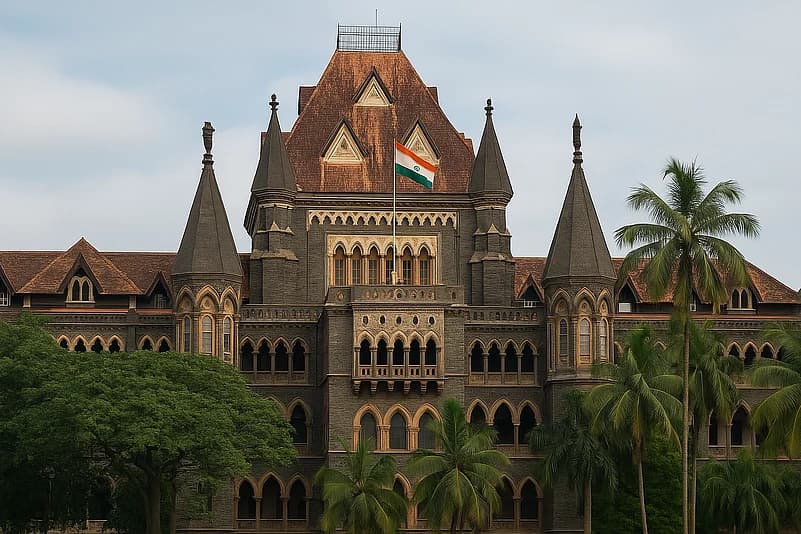
The Bombay High Court has ruled that access to social media does not grant individuals the right to disseminate defamatory content, even against public figures. This statement came during a hearing concerning a legal suit filed by actor Salman Khan against his neighbour, Ketan Kakkad, related to allegations made on social media about Khan’s conduct at his Panvel farmhouse.

Justice Sharmila Deshmukh, presiding over the case, posed a critical question regarding the appropriateness of using social media for public grievances. She emphasised that complaints should be directed to the relevant authorities instead of being aired online. This direction is part of a broader discussion about the responsibilities that come with social media usage.

The court issued a suggestion for Mr Kakkad to contemplate removing the posts that were reportedly defamatory in nature. This legal discourse highlights the ongoing tensions related to privacy, public reputation, and the role of digital platforms in the dissemination of potentially harmful information.

Background of Allegations Against Salman Khan

Ketan Kakkad, who owns a property adjacent to Khan’s farmhouse in Navi Mumbai, has claimed that the actor violated environmental regulations during his construction activities. Mr Kakkad also alleges that Khan has obstructed access to his property. Reports indicate that Kakkad had previously approached local authorities regarding these matters, yet felt that no significant action was taken.

In response to Kakkad’s social media assertions, Salman Khan filed a defamation lawsuit claiming that Kakkad posted videos and comments online that tarnished his reputation. The actor seeks not only the removal of the posts but also a legal order preventing Kakkad from making further defamatory remarks in the future.

Initially, a civil court rejected Khan’s request for relief, prompting him to escalate the matter to the High Court for further consideration. Khan’s petition states that Kakkad’s content not only constitutes defamation but is also alleged to contain communal undertones aimed against him.

High Court Raises Concerns About Social Media Usage

During the proceedings, Justice Deshmukh sharply questioned the rationale behind publicising grievances via social media instead of seeking resolution through appropriate channels. She expressed concern regarding the potential overutilisation of judicial resources in evaluating the defamatory nature of social media content.

The dialogue in court underlined the challenge of balancing freedom of expression on social platforms and the preservation of personal dignity. Justice Deshmukh remarked that subjects of defamation deserve a fair approach, and the path to address grievances should be pursued more formally.

The hearing has concluded with a timetable for further legal discussions set for July 6. The case highlights the complexities of modern communication methods and the implications surrounding individuals’ rights to express opinions versus the potential harm those opinions may inflict.

Long or Short, get news the way you like. No ads. No redirections. Download Newspin and Stay Alert, The CSR Journal Mobile app, for fast, crisp, clean updates!

App Store –  https://apps.apple.com/in/app/newspin/id6746449540 

Google Play Store – https://play.google.com/store/apps/details?id=com.inventifweb.newspin&pcampaignid=web_share

Latest News

Popular Videos
