


Bangladesh Protesters Demand Death Penalty for BJP MLA Amid Mosque Relocation Controversy
The CSR Journal Magazine

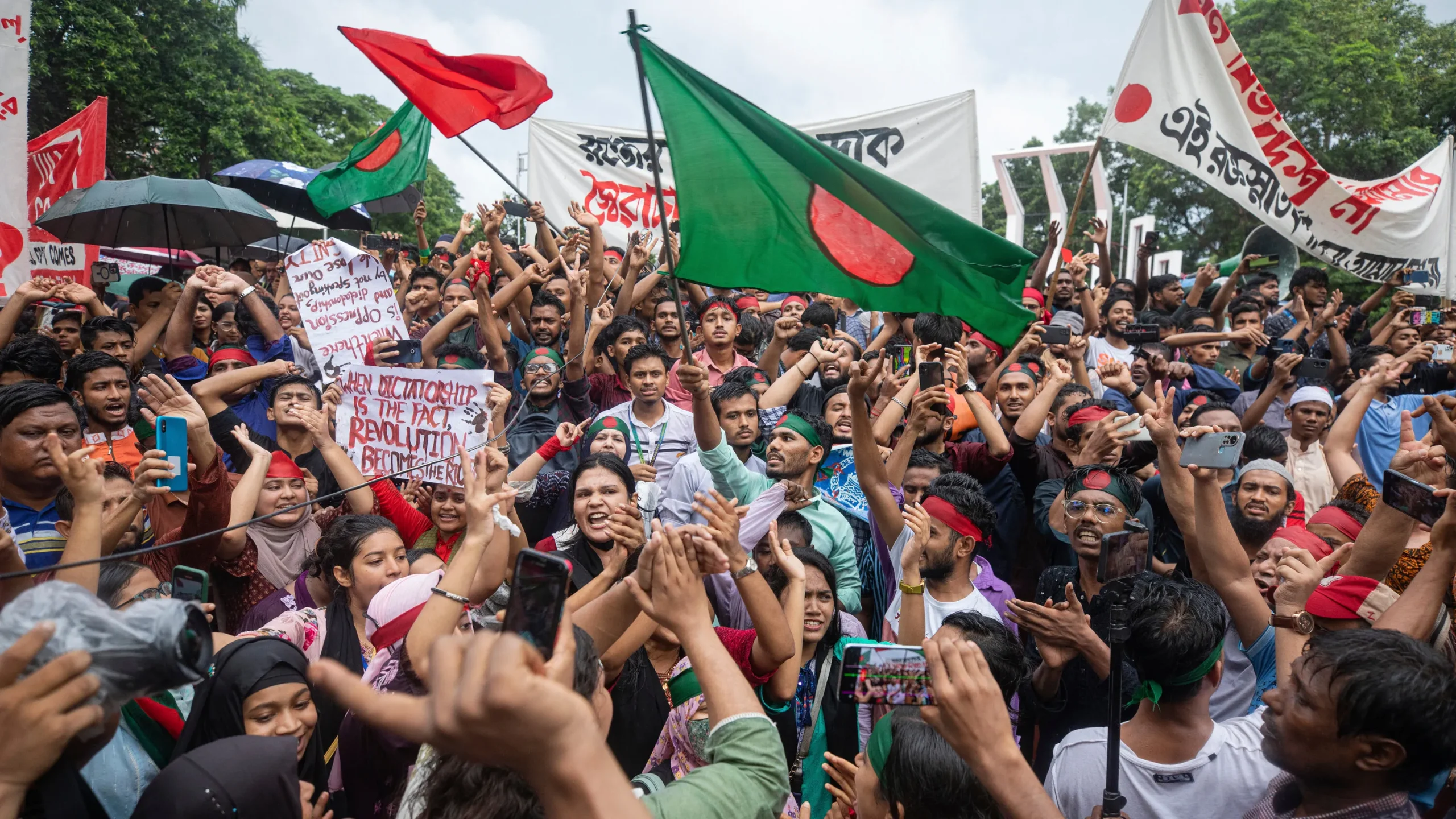
A recent protest in Bangladesh has called for the death penalty for Sourav Sikdar, a BJP MLA from West Bengal, over the contentious issue surrounding the potential relocation of a mosque at Kolkata’s Netaji Subhas Chandra Bose International Airport. Demonstrators gathered outside the national mosque, Baitul Mukarram, in Dhaka on July 17, 2026, to express their anger and demand justice regarding the proposed changes to the mosque’s location.

Protesters displayed banners labelling Sikdar as the “Khal Nayak” or villain, primarily due to his role in advocating for the mosque’s relocation. The assembly showcased a strong sentiment against the decision, with many participants reportedly chanting slogans that called for strict punishment for the MLA.

The protest reflects the broader tensions around religious sites and urban development in India, particularly in Kolkata, where Sikdar’s constituency includes the airport. The issue has sparked significant debate about the intersection of security concerns and religious practices, drawing public attention across the region.

Sikdar’s Position on Mosque Relocation

Sourav Sikdar has emerged as a key figure in the discussions regarding the mosque situated within the airport premises. He has argued that relocating the mosque is necessary due to operational needs and safety concerns. In previous statements, he indicated that the current location might pose risks, prompting him to raise the matter with the Union Civil Aviation Ministry.

Sikdar’s concerns allegedly centre on security lapses and the potential for expanding the airport’s capacity. His stance has attracted support from certain quarters, but it has also ignited substantial backlash from various communities who view the mosque’s relocation as an infringement on their religious rights.

In response to the protests in Bangladesh, Sikdar’s supporters in India have defended his position, insisting that his intentions focus on the security of all airport users. However, the growing discontent among various groups underscores the intricate balance between development and religious sentiments in the region.

Wider Implications of the Controversy

The protests in Dhaka represent a significant escalation in responses to the mosque relocation issue. They highlight the potential ramifications for diplomatic ties between India and Bangladesh, particularly in matters intersecting religion and national identity. The call for execution presents a serious reflection of emotions surrounding the incident, suggesting that the matter reaches far beyond localised concerns.

The protests come at a time when religious tensions are sensitive in both countries, and such demonstrations may impact the already complex dynamics associated with various socio-political issues. Analysts warn that if the tensions are not addressed promptly and collaboratively, they may lead to broader unrest and complicate bilateral relations further.

As the situation develops, all eyes will be on both West Bengal officials and Bangladesh’s government to see how they navigate this sensitive issue. The outcomes of this controversy may set precedents on how religious sites are treated in urban planning and the broader implication for minority rights in the region.

Long or Short, get news the way you like. No ads. No redirections. Download Newspin and Stay Alert, The CSR Journal Mobile app, for fast, crisp, clean updates!

App Store –  https://apps.apple.com/in/app/newspin/id6746449540 

Google Play Store – https://play.google.com/store/apps/details?id=com.inventifweb.newspin&pcampaignid=web_share

Latest News

Popular Videos
