


AN-32 Aircraft: A Trusted Companion for India in Challenging Skies
The CSR Journal Magazine

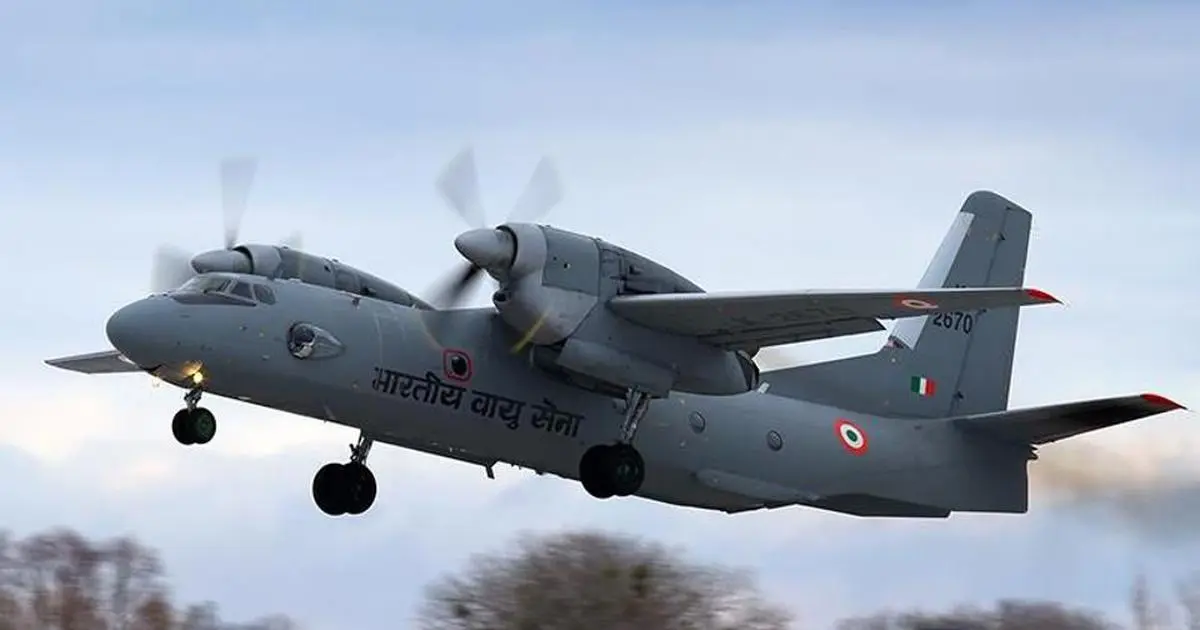
An Indian Air Force AN-32 aircraft tragically crashed during landing at the Rowriah Air Force Station in Jorhat, Assam, on June 13, 2026, resulting in the loss of five personnel. This incident has renewed scrutiny on the aircraft, renowned for its reliability over the past four decades. In response to the accident, the IAF has established a Court of Inquiry to investigate the crash’s causes. The aircraft was on a routine sortie at approximately 10 am when the accident occurred, prompting officials to request the public to avoid speculation until preliminary findings are released.

Design Adaptations for Unique Conditions

The AN-32 was originally designed by the Antonov Design Bureau of the Soviet Union but has undergone modifications to meet India’s specific operational requirements. According to a retired IAF pilot, the aircraft was developed to work effectively in high-altitude and hot environments, which are prevalent in India. These conditions present unique challenges, primarily due to the thinner air that affects engine performance and lift capabilities.

A notable feature of the AN-32 is its engines, which are mounted high above the wings. This design is intentional and significantly benefits the aircraft’s landing capabilities. The high-set engines enable the plane to land on unprepared surfaces, protecting the propellers from potential debris, a crucial aspect for military missions. The configuration also facilitates cargo loading and unloading while the engines are operational, enhancing its utility during military operations.

The technical specifications of the AN-32 include its dual turboprop engines. These engines operate by using a gas turbine to drive a propeller, generating forward thrust. According to the retired test pilot, the flying experience with the AN-32 does not differ much from other aircraft. While technical failures can occur, they are relatively infrequent, with flight control issues being the most concerning but uncommon. The pilot shared experiences of successfully handling engine failures during approach, indicating the aircraft’s robust design.

Weather and Its Impact on Operations

Weather conditions play an important role in aviation safety, particularly in regions like Assam. The area’s humid monsoon air has been cited as a contributing factor to accidents; however, the retired pilot asserted that while humidity can slightly lower air density, its impact was marginal in this instance since the accident occurred at nearly sea level. The aircraft frequently operates in much higher altitudes without significant issues.

One of the more dangerous aspects of approaching during monsoon season is wind shear—a sudden change in wind direction and speed, especially near the ground. This is especially concerning during thunderstorms near airports. In mountainous regions, the situation becomes more complicated; cloud cover can obscure landing zones, requiring pilots to navigate through challenging visual conditions. Any miscalculation can result in catastrophic outcomes.

The AN-32 has a history of incidents, including a previous crash on June 3, 2019, when another aircraft of the same type went down in the mountains, claiming the lives of all 13 personnel onboard. The latest crash adds to the concerns surrounding landings. Multiple factors can contribute to landing accidents, including hard landings and landing gear failures. The AN-32, while known for its dependability, operates with a narrow margin for error at the moment of touchdown.

Long or Short, get news the way you like. No ads. No redirections. Download Newspin and Stay Alert, The CSR Journal Mobile app, for fast, crisp, clean updates!

App Store –  https://apps.apple.com/in/app/newspin/id6746449540 

Google Play Store – https://play.google.com/store/apps/details?id=com.inventifweb.newspin&pcampaignid=web_share

Latest News

Popular Videos
