


Allahabad High Court Dismisses UP Student’s Hijab Petition
The CSR Journal Magazine

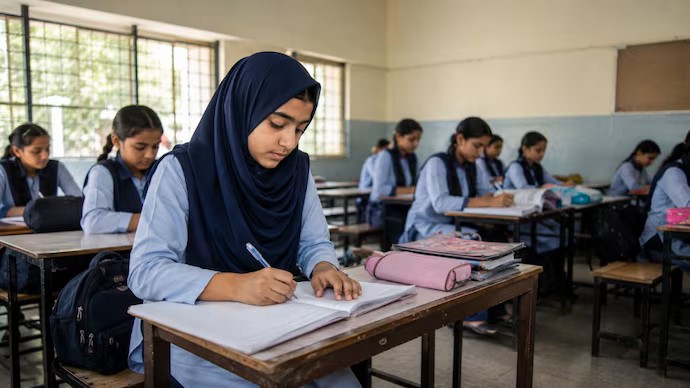
The Allahabad High Court has dismissed a petition filed by a student from Uttar Pradesh seeking the right to wear a hijab along with her school uniform. The court’s decision stems from the belief that wearing the hijab is not an essential practice in Islam, according to the interpretations presented during the hearing. This ruling highlights the ongoing discussions surrounding religious attire in educational institutions.

Context and Implications of the Case

This legal battle emerged against the backdrop of a series of debates in India regarding the rights of students to wear religious garments in schools. The petitioner argued that wearing a hijab is a fundamental aspect of her faith and should be allowed within the school environment. However, the court found that the practice does not constitute a core religious obligation.

The judgement has implications for similar cases across the country, as it may influence how educational institutions approach requests concerning religious attire. Schools in India have been grappling with balancing religious sentiments and maintaining uniformity among students.

The dismissal came after careful consideration of constitutional provisions relating to freedom of religion and individual rights. The court underscored the need for schools to uphold uniform codes while respecting students’ rights, though it affirmed that such rights are not absolute when they conflict with institutional regulations.

Reactions to the Verdict

In the wake of the verdict, reactions have varied widely within the community. Some advocates for religious freedom decried the judgement, asserting that it undermines the rights of individuals to express their beliefs. Others, however, supported the court’s stance, viewing it as a necessary step for maintaining discipline and equality in the school system.

The broader societal implications of such decisions continue to be debated among legal experts, educators, and community leaders. Lawmakers have been urged to consider the ramifications of such rulings as they shape policies affecting students’ freedom of expression in educational contexts.

As discussions evolve, it remains evident that the issue of religious attire in schools will continue to be a contentious subject, reflecting the complexities of personal rights versus institutional policy. The court’s ruling illustrates the sensitive nature of balancing individual freedoms with collective norms in a diverse nation like India.

Long or Short, get news the way you like. No ads. No redirections. Download Newspin and Stay Alert, The CSR Journal Mobile app, for fast, crisp, clean updates!

App Store –  https://apps.apple.com/in/app/newspin/id6746449540 

Google Play Store – https://play.google.com/store/apps/details?id=com.inventifweb.newspin&pcampaignid=web_share

Latest News

Popular Videos
