


Alaska’s Northernmost Town Endures 84 Days of Continuous Daylight
The CSR Journal Magazine

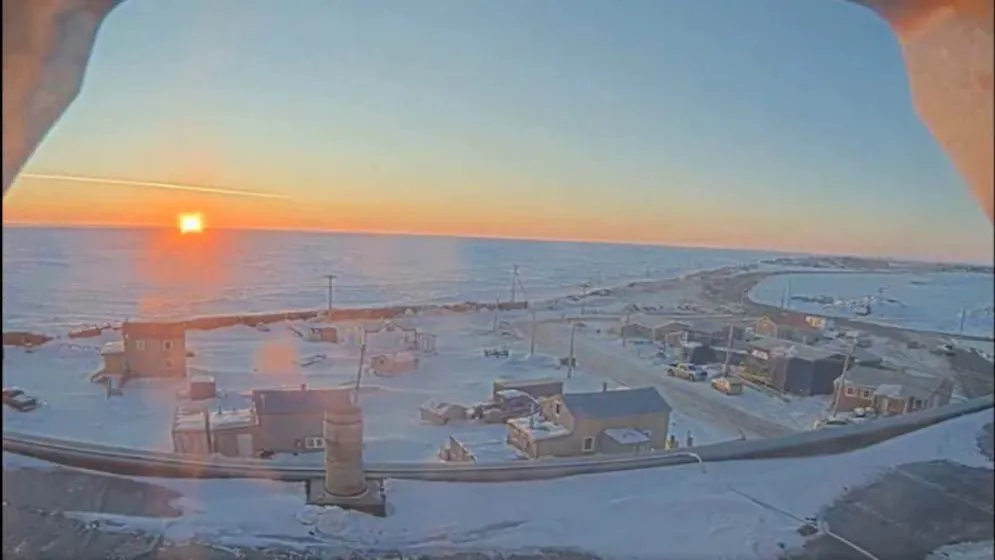
Barrow, Alaska, known locally as Utqiaġvik, experiences a striking phenomenon where the sun remains visible for over two months. This period of perpetual daylight spans from approximately May 10 to August 2 each year. As the northernmost settlement in the United States, Barrow showcases an array of unique environmental attributes during this time.

Residents of Barrow adapt to this prolonged sunlight with various daily routines. Many participate in community events, engage in outdoor activities, and enjoy recreational pursuits such as fishing and hunting. The positive effects of this continuous light—providing energy and enhancing mood—are celebrated by locals. However, this phenomenon also presents challenges that must be addressed.

The absence of sunset can disrupt sleeping patterns for the community. Residents often utilise blackout curtains in their homes to create a semblance of night, allowing them to rest despite the ambient brightness. The adjustment to this routine is crucial for maintaining a balanced lifestyle in the midst of the 24-hour daylight.

Impact on Lifestyle and Culture

The continuous daylight greatly influences the culture and lifestyle of Barrow’s inhabitants. With ample light, the community fosters a vibrant atmosphere that encourages social gatherings and outdoor events. Traditional practices, such as fishing and whaling, are often carried out during this time, allowing families to bond over shared activities and cultural experiences.

The sunlight also plays a role in the local economy. Increased tourism during the months of non-stop daylight attracts visitors eager to experience this unique feature of Barrow. Local businesses benefit from the influx, providing services and products that cater to tourists as well as residents. This economic boost contributes positively to the town, enabling growth and sustainability.

However, the extended daylight does not come without its drawbacks. Residents must navigate the challenges of maintaining their health, especially concerning sleep and wellness. These issues underscore the need for community support systems that encourage coping strategies and healthy lifestyles during these intense periods of light.

Scientific Observations and Research

Researchers have shown significant interest in Barrow’s unique climate and environment. The phenomenon of continuous daylight has been the subject of various scientific studies aimed at understanding its effects on human health, wildlife, and the broader ecosystem. Scientists closely observe how the local flora and fauna adapt to the extended sunlight and how these changes impact the overall environment.

Additionally, the effects of climate change are particularly pronounced in Arctic regions, making Barrow a focus for climate-related research. Scholars aim to gain insights into how these environmental shifts will influence the town and its inhabitants in the future. Data collected from Barrow can potentially inform broader climate change mitigation strategies applicable to other Arctic and sub-Arctic areas.

Community initiatives often collaborate with researchers to promote environmental preservation and educate residents about sustainable practices. This relationship highlights the importance of integrating scientific understanding with local knowledge to address ongoing challenges posed by climate-related changes and the peculiarities of life in Barrow.

Long or Short, get news the way you like. No ads. No redirections. Download Newspin and Stay Alert, The CSR Journal Mobile app, for fast, crisp, clean updates!

App Store –  https://apps.apple.com/in/app/newspin/id6746449540 

Google Play Store – https://play.google.com/store/apps/details?id=com.inventifweb.newspin&pcampaignid=web_share

Latest News

Popular Videos
