


Who Was Sajjan Kumar? From Three-Time Congress MP To 1984 Riots Convict
The CSR Journal Magazine

Sajjan Kumar, born on September 23, 1945, in Delhi, embarked on a political journey that saw him becoming a significant figure in Indian politics. He began his career as a member of the Indian National Congress, a party renowned for its historical role in India’s freedom struggle. Kumar’s upbringing and education equipped him with the skills necessary for public service, eventually leading him to the Lok Sabha.

Kumar served three terms in the Lok Sabha from 1980 to 1989, representing the outer Delhi constituency. His political influence grew as he took on various roles within the Congress party, contributing to several social and developmental initiatives. His tenure saw him advocating for policies aimed at uplifting marginalised communities and fostering urban development.

Often seen at the forefront of local politics, Kumar maintained a strong presence in his constituency, involving himself in community issues and public engagements, which solidified his reputation as a grassroots leader. However, this period of political ascent would soon be overshadowed by events that altered his legacy fundamentally.

Involvement in the 1984 Anti-Sikh Riots

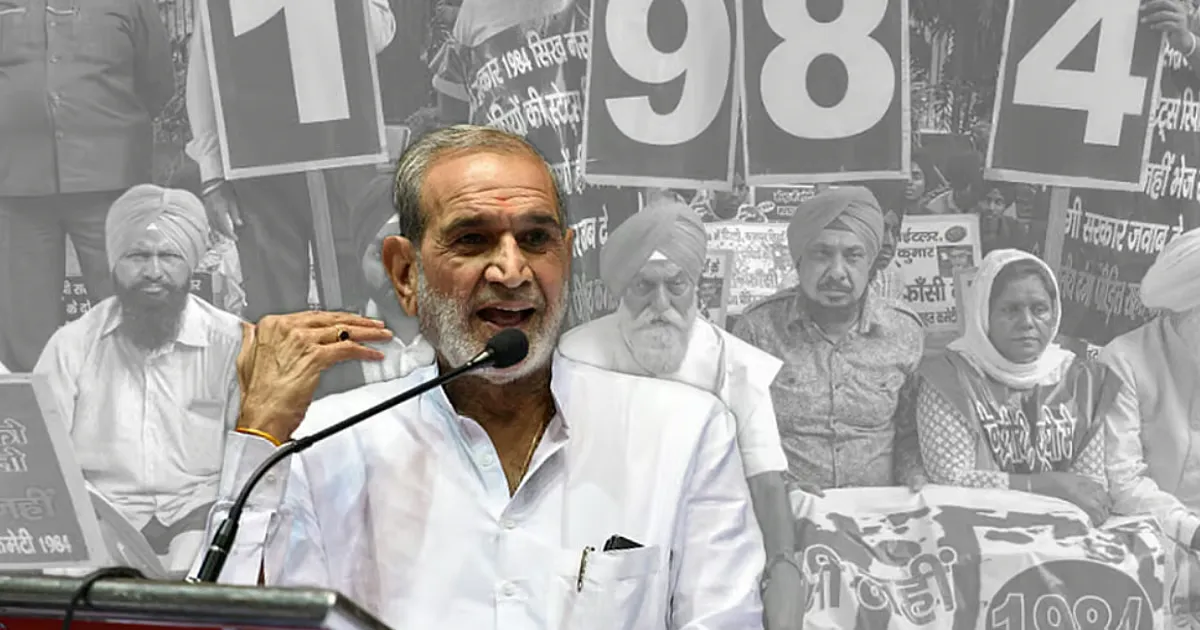
In the aftermath of Prime Minister Indira Gandhi’s assassination on October 31, 1984, widespread violence erupted, primarily targeting the Sikh community. Sajjan Kumar was reportedly implicated in instigating violence in Delhi during this turbulent period. Allegations surfaced that he played a pivotal role in orchestrating anti-Sikh riots, leading to significant loss of life and property.

The riots resulted in thousands of deaths, with many Sikhs facing brutal attacks. Following these incidents, numerous cases were filed against Kumar and other politicians, accusing them of inciting mob violence. The events of 1984 left a deep scar in the collective memory of the country and led to lasting ramifications for those involved.

In a significant move, the Delhi High Court convicted Sajjan Kumar on November 17, 2018, for his involvement in the riots, sentencing him to life imprisonment. This judgement was seen as a crucial step in addressing impunity for those responsible for communal violence in India. Kumar’s conviction highlighted the ongoing struggle for justice among victims’ families and survivors of the riots.

Current Developments and Legacy

Sajjan Kumar’s legal battles continued following his conviction, as he sought to appeal the decision. His case became emblematic of the broader issues surrounding accountability in political circles and the complexities of communal relations in India. The aftermath of his conviction reignited discussions about the justice system and its effectiveness in handling cases of communal violence.

As of now, Kumar remains a controversial figure in Indian history. His political legacy is marred by the events of 1984, overshadowing his earlier achievements as a legislator. Discussions about his role in the riots continue to surface in public discourse, as many seek to understand the implications of such events on contemporary society.

In examining Sajjan Kumar’s life, it becomes clear how individual actions can lead to broader societal consequences, resonating through generations. The legacy of the 1984 riots and the ongoing quest for justice serve as a reminder of the importance of accountability in politics and the need for reconciliation in society.

Long or Short, get news the way you like. No ads. No redirections. Download Newspin and Stay Alert, The CSR Journal Mobile app, for fast, crisp, clean updates!

App Store –  https://apps.apple.com/in/app/newspin/id6746449540 

Google Play Store – https://play.google.com/store/apps/details?id=com.inventifweb.newspin&pcampaignid=web_share

Latest News

Popular Videos
