


US and Iran Sign Electronic Peace Agreement Facilitating Strait of Hormuz Reopening
The CSR Journal Magazine

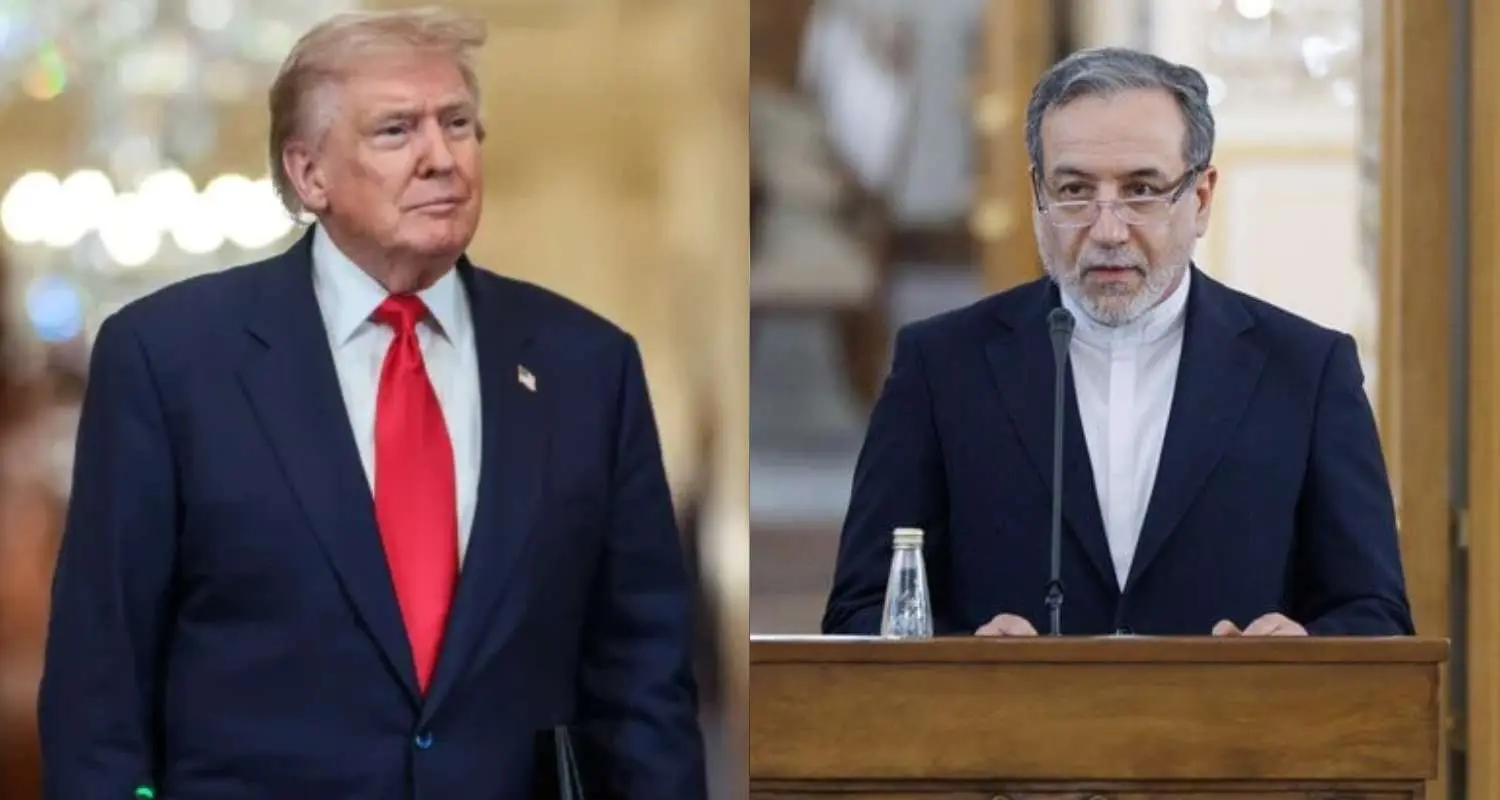
Pakistan confirmed on Thursday that the United States and Iran have electronically finalised a peace agreement. This development is pivotal as it sets the stage for the reopening of the strategically significant Strait of Hormuz. Prime Minister Shehbaz Sharif announced the agreement, highlighting the dedication of both nations to achieve a diplomatic resolution to their extended conflict.

During a post on social media platform X, Sharif expressed his honour in announcing the electronic signing of what is termed the ‘Islamabad Memorandum of Understanding.’ He indicated that a formal signing ceremony will take place in Geneva on Friday, co-hosted by Pakistan and Qatar.

The agreement emerges following negotiations that sought to resolve a 107-day conflict which had severe implications for global energy supplies. The prime minister noted that the electronic signing will lead to immediate actions from both sides aimed at restoring stability in the region.

Details of the Memorandum

As part of the accord, Prime Minister Sharif mentioned that Iran would simultaneously reopen the Strait of Hormuz, while the United States would lift its naval blockade in the area. The Strait, measuring 55 kilometres in width, serves as a crucial conduit linking the Persian Gulf with the Arabian Sea, handling a significant portion of the world’s oil exports.

Sharif conveyed his congratulations to US President Donald Trump for his diplomatic efforts which paved the way for this agreement. He acknowledged various individuals involved in the negotiations, including Vice President JD Vance and Jared Kushner, praising their commitment to resolving a conflict that had the potential for devastating regional repercussions.

Moreover, Sharif expressed deep appreciation for Iranian leaders such as Supreme Leader Ayatollah Seyyed Mojtaba Hosseini Khamenei and President Masoud Pezeshkian for their emphasis on peace. The prime minister credited the Iranian negotiating team for their tenacity and constructive engagement throughout the discussions.

Wider Regional Implications and Support

The negotiations were facilitated by intermediaries, notably Pakistan and Qatar, which had previously orchestrated a two-week ceasefire on April 8. This ceasefire was later extended until the conclusion of the peace discussions, indicating the high-stakes nature of the negotiations.

The conflict originated on February 28, following military actions by the US and Israel against Iran, resulting in the deaths of key figures, including the late Supreme Leader Ayatollah Ali Khamenei. Since the onset of hostilities, Khamenei’s son, Mojtaba, elected as the new supreme leader, has not been publicly visible.

On Wednesday, both Pakistan and Turkiye expressed their welcome for the agreement reached between the US and Iran to bring an end to the hostilities. Earlier in the week, Trump had publicly confirmed the finalisation of the deal. In light of the conflict, Iran had effectively shut the Strait of Hormuz, impacting roughly one-fifth of the global oil supply.

Prime Minister Sharif concluded with hopes that the Memorandum of Understanding would establish a lasting foundation for improved relations, mutual respect, and economic cooperation in the broader region.

Long or Short, get news the way you like. No ads. No redirections. Download Newspin and Stay Alert, The CSR Journal Mobile app, for fast, crisp, clean updates!

App Store –  https://apps.apple.com/in/app/newspin/id6746449540 

Google Play Store – https://play.google.com/store/apps/details?id=com.inventifweb.newspin&pcampaignid=web_share

Latest News

Popular Videos
