


app-store-logo
play-store-logo
March 7, 2026

United States Grants India Temporary Oil Waiver Amid Middle East Tensions
The CSR Journal Magazine

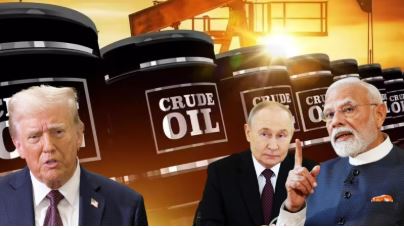
New Delhi witnessed a heated political exchange following the US Treasury Department’s recent decision to grant a temporary oil waiver to Indian refiners. This waiver, effective from March 5 to April 4, 2026, permits the purchase of stranded Russian crude, primarily due to disruptions in global oil supply linked to the Iran-Israel conflict. The Indian government is framing this development as a significant achievement in ensuring energy security, particularly amid rising tensions in the West Asia region. Conversely, opposition parties are raising alarms about India’s alleged dependence on the United States, branding the waiver as a form of “strategic surrender.”

Government’s Standpoint on Energy Policy

The ruling Bharatiya Janata Party (BJP) views the waiver as a diplomatic success, evidencing Prime Minister Narendra Modi’s effective oil diplomacy. US Treasury Secretary Scott Bessent underscored that the authorization specifically pertains to transactions concerning oil already stranded at sea, hinting at expectations for India to increase its procurement of US oil post-crisis. India currently sources approximately 40 percent of its oil imports from the Middle East, with a considerable share passing through the vital Strait of Hormuz. This backdrop of dependence has intensified scrutiny over the government’s approach to foreign policy and energy security.

Opposition’s Critical Responses

Leaders from opposition parties, specifically the Congress, are vocal in their criticism of the Modi government’s handling of foreign policy. Rahul Gandhi, the Leader of Opposition in Lok Sabha, questioned the implications of relinquishing sovereignty in foreign policy decisions. Describing the situation as exploitation of a “compromised individual,” he advocates for a foreign policy rooted in India’s historical and cultural ethos. Congress MP Jairam Ramesh echoed these sentiments, calling the waiver American blackmail and emphasizing the need for a debate on governmental foreign policy strategies.

Cross-Party Condemnation of Policy Decisions

Additional voices from the Congress party, including President Mallikarjun Kharge and MP KC Venugopal, have characterized the waiver as humiliating for India’s national dignity. They suggest that depending on American approval to secure energy resources undermines India’s standing as a sovereign nation. In echoing this sentiment, Arvind Kejriwal, convenor of the Aam Aadmi Party (AAP), questioned India’s need for US permission to purchase oil, suggesting a pattern of diplomatic subservience displayed by the Prime Minister.

Implications for India’s Strategic Autonomy

Chief Minister of Tamil Nadu, MK Stalin, highlighted anxiety over India’s autonomy in international relations, as the waiver raises fundamental questions regarding the need for foreign endorsement in managing essential resources like energy. Former External Affairs Minister Salman Khurshid articulated concerns regarding the apparent lack of clarity in the current administration’s foreign policy, stressing the urgency for India to act independently in its national interests.

BJP Defends its Diplomatic Stance

In response to the critiques, the BJP maintains that the waiver demonstrates the effectiveness of its foreign policy under Modi’s leadership. Party spokesperson Pradeep Bhandari dismissed opposition narratives, suggesting that the current policy framework facilitates strategic restraint without compromising national interests. As international crude prices rise, the BJP argues that securing alternative oil sources prevents excessive domestic price increases, with Petroleum Minister Hardeep Singh Puri stating that India’s strategic oil reserves remain adequately stocked.

Energy Security Amid Regional Tensions

This diplomatic development unfolds against the backdrop of escalating tensions in West Asia following a US-Israel military strike that reportedly resulted in the deaths of Iranian leadership figures. Iran’s subsequent retaliatory actions and continued military presence in the region mark a period of uncertainty that directly influences global oil dynamics. As a response, India claims to be continuously assessing its energy situation, asserting that there is currently no shortage of critical energy resources. Discussions concerning energy and foreign policy are likely to persist as stakeholders navigate this complex geopolitical landscape.

Long or Short, get news the way you like. No ads. No redirections. Download Newspin and Stay Alert, The CSR Journal Mobile app, for fast, crisp, clean updates!

App Store –  https://apps.apple.com/in/app/newspin/id6746449540 

Google Play Store – https://play.google.com/store/apps/details?id=com.inventifweb.newspin&pcampaignid=web_share

Latest News

Popular Videos
