


Nana Patekar Dies At 75: A Career Defined By Intensity, Range And Unforgettable Characters
The CSR Journal Magazine

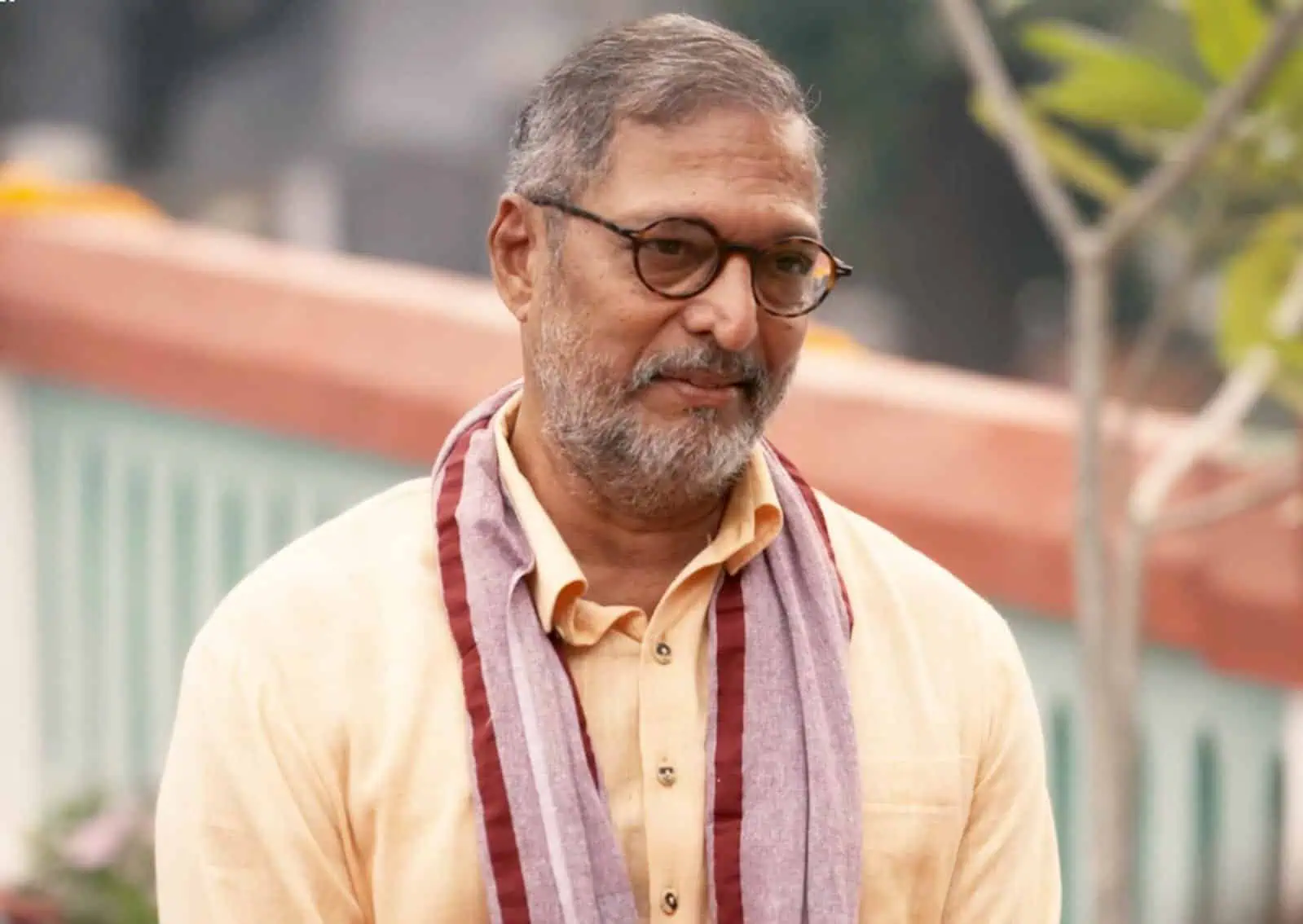
Nana Patekar, one of Hindi and Marathi cinema’s most distinctive actors, died at the age of 75 on Thursday after suffering a cardiac arrest at his home in Goa. He was taken to hospital, where doctors attempted to revive him for around 45 minutes before he was declared dead at 5:20 am.

Patekar leaves behind a career spanning more than five decades, during which he played gangsters, soldiers, policemen, politicians, teachers and theatre actors, while also taking on comic roles that showed a very different side of his screen persona. His performances were marked by an intensity that often made it difficult to separate the actor from the characters he inhabited.

The Unscripted Moment That Became Cinema History

Perhaps no scene captures Patekar’s singular approach to acting better than his performance as Pratap in Krantiveer. Standing before a crowd, he delivered an impassioned speech questioning the idea of dividing human suffering along religious lines.

The remarkable part was that the speech had not been written. Patekar began speaking spontaneously, and the performance that emerged became one of the most remembered scenes in Hindi cinema.

Years later, Patekar said he could not remember a single word of what he had said that day. He had been unwell before the shoot and had even been hospitalised with a heart problem, but when the cameras started rolling, he became Pratap.

That ability to disappear into a character, rather than visibly perform one, became one of the defining features of Patekar’s career.

An Actor Who Refused To Fit One Image

Patekar’s filmography was remarkably varied. He played the gangster in Parinda, the soldier in Prahaar, the troubled teacher in Khamoshi: The Musical, the intimidating police officer in Ab Tak Chhappan, the politician in Raajneeti and the ageing theatre actor Ganpat Belwalkar in Natsamrat.

Yet his range extended well beyond intense dramatic roles. As Uday Shetty in Welcome, Patekar transformed his formidable screen presence into comedy, creating a character built on bluster, wounded pride and impeccable comic timing.

He could be menacing in one film, vulnerable in another and deeply funny in the next. His performances rarely appeared designed to impress an audience. Instead, they demanded attention through the force of the characters themselves.

Javed Akhtar once described a fundamental difference between Patekar’s anger and that of Amitabh Bachchan. According to Akhtar, Bachchan’s anger seemed to ask, “How could you do this to me?” Patekar’s was more likely to ask, “How could you do this to the world?” Akhtar also described a “preacher hidden in him”.

From Hunger To Stardom

Patekar’s acting was shaped by experiences that began long before he became a familiar face on screen. He started working at the age of 13, walking long distances and surviving on one meal a day.

He later described “humiliation and hunger” as his two gurus. Theatre became an important part of his life, and his association with the stage continued even after he established himself as a major film actor.

Over the course of his career, Patekar won three National Film Awards and was awarded the Padma Shri. He worked across Hindi and Marathi cinema and took on several roles behind the camera as an actor, director and writer.

More than the awards, however, his contribution lay in the way he changed the place of character actors in mainstream Indian cinema. Patekar could enter a film without necessarily being the conventional romantic or action lead and still command the screen like a star.

Beyond Cinema, A Life Of Social Work

Patekar’s concern for people facing hardship also extended beyond his acting career. Along with actor Makarand Anaspure, he co-founded the NAAM Foundation, which works with distressed farmers and their families.

He once said the work gave him “one reason to live” and that he was doing it “to keep the human inside me alive”. The initiative became an important part of his public life and reflected the social concerns that frequently surfaced in his conversations and performances.

His public persona was often associated with anger and intensity, but those qualities were accompanied by a strong engagement with social issues and human suffering.

‘This Is How I Breathe’

Patekar once described acting in simple terms: “Acting is not just a profession for me. This is how I breathe.” The statement went some way towards explaining why his performances retained their unpredictability even after decades in the industry.

He never settled comfortably into a single screen identity. Pratap in Krantiveer, the characters of Parinda and Prahaar, Uday Shetty in Welcome and Ganpat Belwalkar in Natsamrat all belonged to vastly different worlds, yet each carried the unmistakable force of the actor who played them.

Patekar also understood the transient nature of fame. In an interview with Filmfare, he said: “When you die, the world goes on.”

The world will indeed continue, but Indian cinema has lost an actor whose presence could alter the atmosphere of an entire scene. His voice, his stare and his characters will remain on screen, long after the man who created them is gone.

Somewhere, Krantiveer will play again. Pratap will stand before that crowd, wounded and furious, and deliver words that were never meant to become an epitaph.

“Aa gaye meri maut ka tamasha dekhne.”

This time, there is no next scene for Nana Patekar to begin.

Long or Short, get news the way you like. No ads. No redirections. Download Newspin and Stay Alert, The CSR Journal Mobile app, for fast, crisp, clean updates!

App Store –  https://apps.apple.com/in/app/newspin/id6746449540 

Google Play Store – https://play.google.com/store/apps/details?id=com.inventifweb.newspin&pcampaignid=web_share

Latest News

Popular Videos
