


Gujarat Proposes ₹100-Crore Marine Biotechnology Corridor at Mocha to Enhance Blue Bioeconomy
The CSR Journal Magazine

The Government of Gujarat has announced plans for a ₹100-crore investment dedicated to the establishment of the Marine Biotechnology Research & Innovation Corridor (M-BRIC) in Mocha village, Porbandar district. Chief Minister Bhupendra Patel is spearheading this initiative, which is intended to leverage the state’s rich marine biological resources for the development of high-value products and sustainable livelihood opportunities for coastal communities.

Executed under the auspices of the Gujarat State Biotechnology Mission (GSBTM) within the Department of Science and Technology, the corridor aims to create an integrated ecosystem. This ecosystem will amalgamate marine science, biotechnology research, field cultivation, technological advancements, pilot-scale manufacturing, and commercialisation.

A memorandum of understanding will be executed between GSBTM, the Department of Science & Technology, and the Central Salt and Marine Chemical Research Institute (CSIR-CSMCRI). The event will be attended by relevant ministers, including Arjunbhai Modhwadia and Jitubhai Vaghani.

Benefits for Coastal Communities and Industries

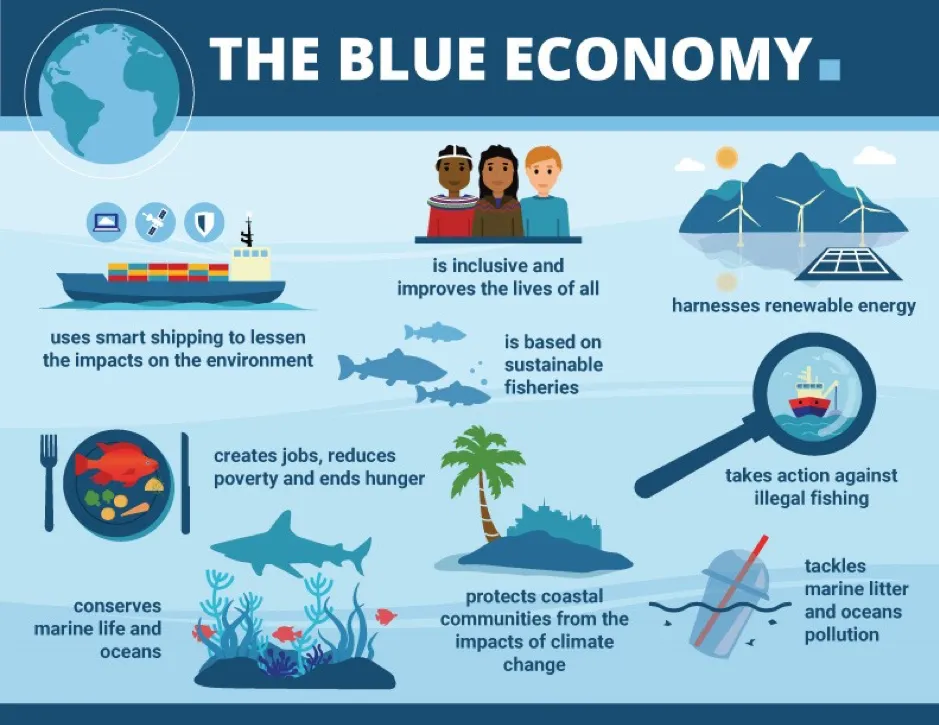
The initiative is designed to form a robust framework that connects marine biological resources with scientific research, technological development, and market access. This comprehensive pathway is expected to bolster Gujarat’s position in India’s growing blue bioeconomy.

In addition to establishing partnerships among government bodies, research institutions, and industries, the corridor will also cater to startups and micro, small, and medium enterprises (MSMEs). The diverse coastal resources in Gujarat—including seaweeds and marine microorganisms—are poised to be transformed into high-value biotechnological products through advanced techniques such as genomics and bioprocessing.

Applications identified for this corridor include biofertilisers, animal nutrition products, nutraceuticals, and marine-derived biomaterials, among others. This approach aims to move away from traditional extraction methods towards innovative, sustainable practices that offer greater economic returns.

Future Developments and Environmental Considerations

Mocha village is envisioned as a central hub for the proposed corridor, facilitating a range of activities from marine research to entrepreneurship. Plans are in place for a dedicated seaweed-processing cluster, which will encompass facilities for the entire processing chain—from raw material handling to quality control.

Beyond Mocha, activities may extend across the Saurashtra region, creating a comprehensive marine biotechnology network. Specialised partnerships with salt-pan facilities are also anticipated, which will support the production of vital omega-3 fatty acids and other valuable compounds.

Emphasising environmental sustainability, the M-BRIC will focus on using renewable biological feedstocks while adhering to responsible practices in marine resource utilisation. Research into blue carbon and coastal ecosystem resilience will also play an important role in the project’s implementation.

Furthermore, capacity-building programmes are slated to engage local communities, especially targeting youth, women-led enterprises, and industry professionals. Training will encompass various areas, including marine biotechnology and entrepreneurship, ultimately seeking to create sustainable economic opportunities along Gujarat’s coastline.

Long or Short, get news the way you like. No ads. No redirections. Download Newspin and Stay Alert, The CSR Journal Mobile app, for fast, crisp, clean updates!

App Store –  https://apps.apple.com/in/app/newspin/id6746449540 

Google Play Store – https://play.google.com/store/apps/details?id=com.inventifweb.newspin&pcampaignid=web_share

Latest News

Popular Videos
