


RBI Set To Initiate 75-Bps Rate Hike Cycle As Inflation Concerns Widen
The CSR Journal Magazine

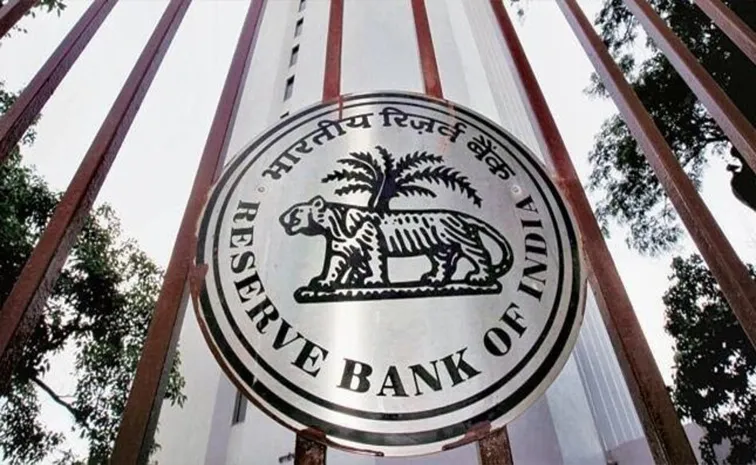
The Reserve Bank of India (RBI) is anticipated to commence a rate hike cycle encompassing 75 basis points in October due to ongoing supply shocks influencing the inflation landscape. This information comes from a research report published by the Union Bank of India. The report indicates that retail inflation is expected to remain above 6 per cent throughout the latter half of the financial year 2027.

As the RBI prepares for its monetary policy announcement later today, the report, dated October 6, highlights various factors contributing to this situation. Rising energy prices, increased global semiconductor costs, and supply disruptions attributed to El Niño are reportedly intensifying pricing pressures, thus underscoring the necessity for monetary tightening.

The research from Union Bank suggests that these trends warrant prompt attention and bolster the case for initiating a 75 bps rate hike cycle led by the Monetary Policy Committee (MPC) in October. However, the report does not disclose the expected scale of the increase during this month’s meeting.

Inflation Projections and Economic Indicators

The report projects that the Consumer Price Index (CPI)-based inflation will reach 5.4 per cent for FY27, surpassing the MPC’s forecast of 5 per cent. It is expected that inflation will peak during the third quarter of the financial year but will likely stay elevated throughout the remainder of the current fiscal year.

Moreover, it is anticipated that inflation pressures will persist into the first half of FY28. Food prices are expected to be a significant factor, with food inflation predicted to exceed 7 per cent in FY27, in stark contrast to the mere 0.2 per cent recorded in FY26. The report identifies sustained pressures in cereals, pulses, sugar, and edible oils, indicating that the inflationary trend extends beyond the usual fluctuations in vegetable prices.

A noted deficit of 13 per cent in monsoon rainfall and reduced reservoir levels may further adversely affect the upcoming rabi crop, thereby extending pressure on cereal prices. As per the report, reservoir levels currently sit at 72 per cent, compared to 92 per cent during the same period last year.

Commodity Prices and Core Inflation Insights

Elevated commodity prices are reportedly impacting the pricing of goods and services more broadly. The report estimates that commodities have contributed approximately 55 per cent to the increase in overall inflation between January and August this year. Specifically, the headline CPI has surged by 209 basis points during this timeframe, with around 116 basis points attributable to a spike in commodity costs.

Core inflation, which excludes food and fuel, has also seen a rise, moving from 3.4 per cent in January to 4.44 per cent by August. The research team projects core inflation at around 4.3 per cent for FY27, a slight increase from the 4.1 per cent anticipated for FY26.

The report also cautions that higher input costs are likely to continue to be passed on to consumer prices as the resilience of domestic growth enhances the pricing power of businesses. With crude oil prices hovering near $100 per barrel and robust demand intensifying supply-side pressures, inflation is expected to remain a prominent issue for the MPC moving forward.

Long or Short, get news the way you like. No ads. No redirections. Download Newspin and Stay Alert, The CSR Journal Mobile app, for fast, crisp, clean updates!

App Store –  https://apps.apple.com/in/app/newspin/id6746449540 

Google Play Store – https://play.google.com/store/apps/details?id=com.inventifweb.newspin&pcampaignid=web_share

Latest News

Popular Videos
