


United Arab Emirates Exits OPEC: Global Oil Prices Face Big Shake-Up Ahead
The CSR Journal Magazine

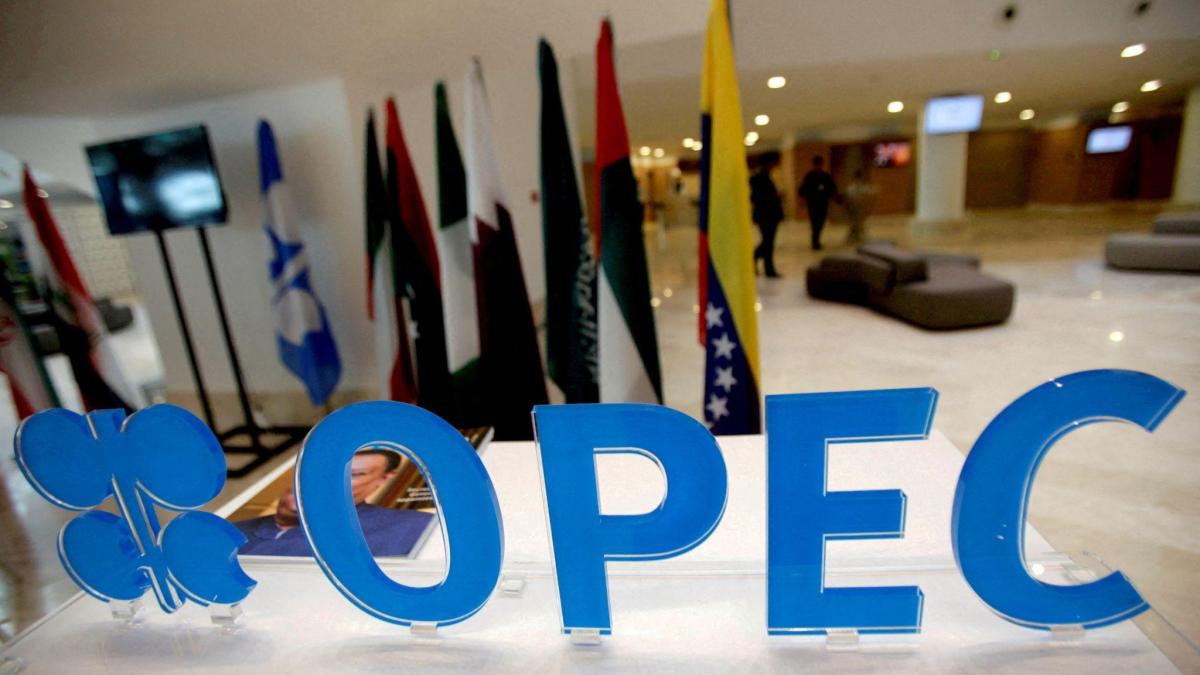
The United Arab Emirates (UAE) made headlines by exiting the Organisation of the Petroleum Exporting Countries (OPEC), a move that caught its members, including Saudi Arabia, by surprise. This decision marked a pivotal point in OPEC’s operations, as it was akin to abandoning a collaborative endeavour with0out prior discussion. The situation has raised questions among observers, particularly regarding its implications for global oil prices and the broader geopolitical landscape.

UAE’s Oil Production Capabilities

The UAE has been a significant player in the oil industry, expanding its production capabilities over the years. The Abu Dhabi National Oil Company (ADNOC) has increased its output capacity to nearly 4.85 million barrels per day, with ambitions to reach 5 million barrels daily by 2027, supported by a substantial investment programme amounting to $150 billion through 2030. In contrast, OPEC had assigned the UAE a production quota of approximately 3.4 million barrels per day by May 2026. This considerable gap between the UAE’s potential and OPEC’s limitations eventually became unfeasible for the country.

Energy Minister Suhail Al Mazrouei indicated that the UAE’s decision to withdraw was unilateral and not coordinated with any other OPEC member, not even with Saudi Arabia, which has traditionally been viewed as the leading force within the cartel. Al Mazrouei emphasised the UAE’s need for greater flexibility in its production decisions, suggesting that adherence to OPEC’s regulations was financially detrimental to the nation.

The implications of this departure cannot be overstated. It not only diminishes OPEC’s numerical strength but also removes a key member that maintained production discipline. With the exit of a highly influential nation such as the UAE, other member states with similar grievances might reconsider their allegiance to OPEC’s strictures.

Impact on Global and Indian Oil Markets

The geopolitical ramifications of the UAE’s exit have substantial implications, particularly for India, which has consistently ranked the UAE among its top five crude oil suppliers. In the first eleven months of the 2025-2026 financial year, the UAE accounted for approximately 10.6 per cent of India’s oil imports. The proximity of the UAE to India enables lower freight costs and shorter delivery timelines, thereby enhancing supply reliability compared to suppliers in the Atlantic Basin.

Freed from OPEC’s restrictions, ADNOC could increase its production capacity beyond 4.5 million barrels per day, which would be advantageous for India. Greater availability of crude oil may lead to competitive pricing, especially amid ongoing complexities in importing Russian crude due to sanctions. India’s need for stable and politically reliable energy sources aligns perfectly with what the UAE can offer.

The UAE’s exit also bears significance for India’s burgeoning petrochemical sector, which is witnessing substantial investment in integrated refining and petrochemical complexes. A steady supply of feedstock from the UAE would significantly bolster this expansion, providing the necessary resources for growth in the industry.

The Future of Oil Prices

Despite the potential benefits, the immediate picture remains complex. With Brent crude prices already exceeding $110 per barrel, the current pressures on the market are primarily driven by geopolitical instability rather than OPEC’s production policies. The transition to a more stable market environment will take time and is contingent on the gradual increase in UAE output over the next 12 to 18 months.

This strategic shift may pave the way for more oil entering a market that has been deliberately restricted for several years. An increase in supply is likely to exert downward pressure on prices, but these shifts will not occur overnight. While the exit of the UAE does not signify the end of the OPEC era, it does reinforce a trend of decreasing influence that had already been manifesting within the organisation.

Long or Short, get news the way you like. No ads. No redirections. Download Newspin and Stay Alert, The CSR Journal Mobile app, for fast, crisp, clean updates!

App Store –  https://apps.apple.com/in/app/newspin/id6746449540 

Google Play Store – https://play.google.com/store/apps/details?id=com.inventifweb.newspin&pcampaignid=web_share

Latest News

Popular Videos
