


app-store-logo
play-store-logo
March 2, 2026

Understanding the GCC: Gulf States Amidst Geopolitical Tensions
The CSR Journal Magazine

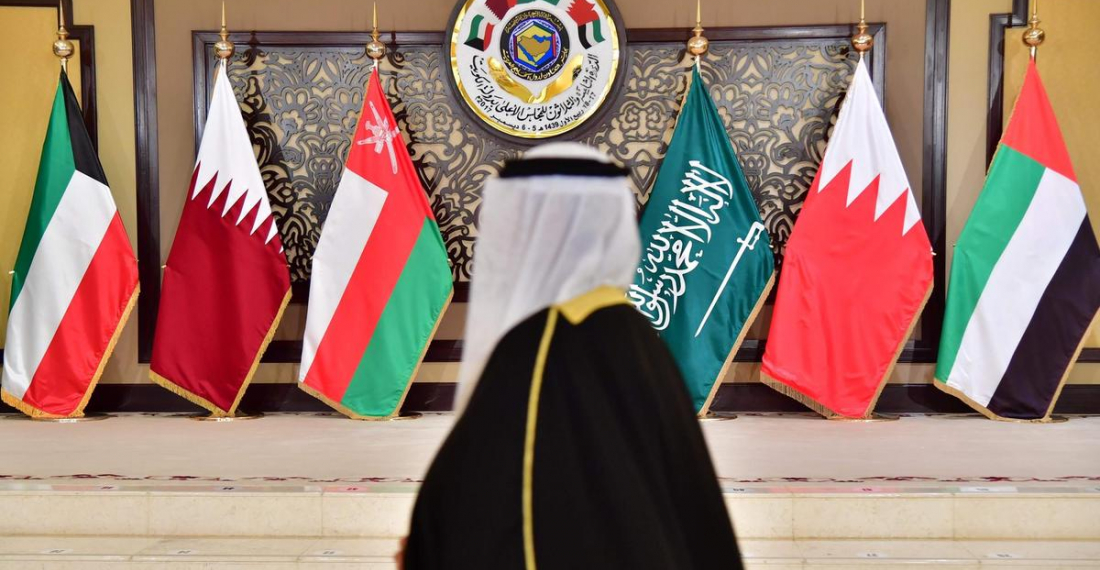
The Gulf Cooperation Council (GCC) encompasses six Arab monarchies situated along the Persian Gulf: Bahrain, Kuwait, Oman, Qatar, Saudi Arabia, and the United Arab Emirates. Established in 1981, the council aims to strengthen economic cooperation, enhance political collaboration, and coordinate defense strategies among its members. Each of these nations maintains significant military infrastructure, including United States bases, making the GCC a crucial strategic ally for Western security interests in the regional landscape. This collective has historically played a vital role in global energy markets, oil exports, and political alliances that impact international security dynamics.

Current Conflict and Escalation

On February 28, 2026, a synchronized military initiative was initiated by the United States and Israel against Iran, specifically targeting significant sites in Tehran and throughout Iranian territory. This move represented a significant escalation in a long-standing conflict, marked by tensions regarding nuclear capabilities, proxy warfare, and missile technology. In retaliation, Iran launched missile and drone strikes aimed at US military installations and strategic locations across the Gulf, impacting the airspace of various GCC member states. These retaliatory actions have led to strikes on both civilian infrastructure and military assets in Bahrain, Kuwait, Qatar, Saudi Arabia, and the United Arab Emirates. Although some Gulf air defense systems managed to intercept numerous incoming projectiles, damage and casualties from debris and direct hits have been reported, prompting temporary airspace closures that resulted in the cancellation and rerouting of numerous flights across the region.

The GCC’s Stance on Recent Developments

The Gulf Cooperation Council has publicly condemned Iran’s missile strikes as violations of member states’ sovereignty and international law, emphasizing the inappropriateness of attacks against civilian targets. In response to the escalating situation, an emergency virtual meeting was convened among GCC foreign ministers on March 1, where leaders reaffirmed their right to self-defense and the option to engage in collective defense under the United Nations Charter. Despite their robust military connections with the United States, the GCC nations have opted to refrain from direct offensive operations against Iran. Instead, they are prioritizing defensive measures, diplomatic efforts, and security coordination to stabilize the region while avoiding the further escalation of existing conflicts.

The Implications and Importance of the GCC

The strategic positioning of the GCC states is critical for multiple reasons. Their geographical closeness to Iran places them at the forefront of any potential retaliatory measures, particularly in areas hosting US military bases. Additionally, oil exports and transit routes through the Gulf are essential to the global economy, making the stability of these nations a matter of international concern. The ongoing airspace restrictions and disruptions in infrastructure further indicate broader regional instability, adversely impacting trade and travel. As the conflict unfolds, the GCC countries will remain central to diplomatic initiatives, defense strategies, and international dialogues aimed at forestalling a wider conflict in the Middle East.

Long or Short, get news the way you like. No ads. No redirections. Download Newspin and Stay Alert, The CSR Journal Mobile app, for fast, crisp, clean updates!

App Store –  https://apps.apple.com/in/app/newspin/id6746449540 

Google Play Store – https://play.google.com/store/apps/details?id=com.inventifweb.newspin&pcampaignid=web_share

Latest News

Popular Videos
