


Russia To Close Goethe-Institut Centres After Actions Against Facilities In Germany
The CSR Journal Magazine

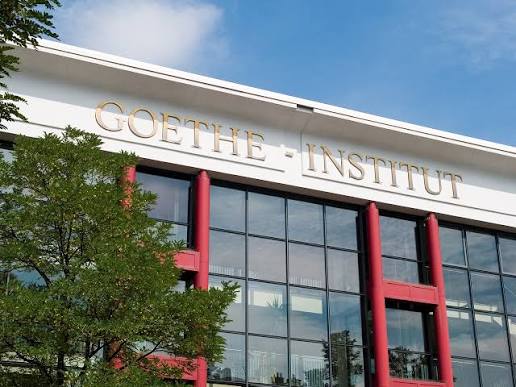
Russia has decided to close its Goethe-Institut centres in various cities, including Moscow, St Petersburg, and Yekaterinburg. This announcement was made by Russian Foreign Minister Sergey Lavrov on Thursday, responding to recent actions taken by Germany against Russian diplomatic and cultural establishments. The decision reflects the escalating tensions between Russia and several European nations, particularly in light of their support for Ukraine amidst ongoing conflicts.

Background of the Diplomatic Dispute

The strained relations began when Germany moved to shut down the Russian Consulate in Bonn and the Russian House cultural centre in Berlin. This action followed an incident where an explosives-laden drone was discovered near a Ukrainian aircraft at LeipzigHalle Airport on August 4. German authorities attributed the aircraft-related matter to an alleged threat posed by Russia, asserting that it exemplified a broader pattern of aggression.

Lavrov, speaking at the Eastern Economic Forum in Vladivostok, stated that the measure to close the Goethe-Institut would be a necessary response to Germany’s actions, emphasising that any inaction would portray a lack of “self-respect” from Russia’s perspective. He also indicated that Germany must recognise the implications of its closures, which, according to him, mark the end of significant cultural exchanges between the two nations.

Germany has asserted that while it does not consider itself at war, it has become a recurrent target of alleged hostile activities by the Kremlin. In reaction to these events, Russian President Vladimir Putin dismissed the claims from Berlin, stating that they were redirecting public attention from internal dissatisfaction among voters. He suggested that evidence presented by Germany was fabricated.

European Security Concerns Intensify

The ongoing tensions have become a pressing challenge for European Union countries, particularly in relation to foreign and defence policies. Leaders within the EU express that they face hybrid warfare involving digital assaults, misinformation campaigns, and traditional military threats. In this climate, both sides accuse one another of committing acts of state terrorism, escalating the discourse surrounding security.

On the diplomatic front, the United Kingdom summoned Russia’s chief diplomat in London on Thursday to voice its concerns regarding the airport incident, labelling it an “egregious and reckless attack.” UK officials highlighted this event as part of a broader trend of Russian attempts to compromise European security.

As EU ministers convened to discuss the drone attack, their deliberations highlighted the complexities surrounding the implementation of new non-military measures. Although numerous sanctions against Russia have been enacted since the onset of the conflict in Ukraine, finding effective responses remains a challenge for European leaders.

Increased Military Preparations Across Europe

In light of the rising threats, Finland conducted what has been described as the largest civil defence exercise in Europe since World War II. This initiative engaged over 2,000 participants, with scenarios planned to simulate missile attacks from Russia. Additionally, in Norway, authorities acted to seize a Russian vessel in Svalbard in response to an arbitration request from Ukraine’s Naftogaz, part of a broader European strategy to enforce sanctions against Russian maritime activities.

Security agencies in Denmark have voiced concerns regarding potential Russian sabotage aimed at the defence industry. Reports indicate signs of orchestrated plans targeting companies that supply military resources for Ukraine. This threat further contributes to the atmosphere of insecurity across European nations.

Despite the escalating tensions, Italy’s Defence Minister Guido Crosetto reaffirmed Italy’s commitment to support Ukraine, highlighting the seriousness of the LeipzigHalle incident and its implications. These developments amplify the already significant tensions between Russia and Europe as geopolitical alignments continue to evolve in response to the ongoing conflict in Ukraine.

Long or Short, get news the way you like. No ads. No redirections. Download Newspin and Stay Alert, The CSR Journal Mobile app, for fast, crisp, clean updates!

App Store –  https://apps.apple.com/in/app/newspin/id6746449540 

Google Play Store – https://play.google.com/store/apps/details?id=com.inventifweb.newspin&pcampaignid=web_share

Latest News

Popular Videos
