


Sam Altman: One Almond Requires Same Water As 38,000 ChatGPT Queries
The CSR Journal Magazine

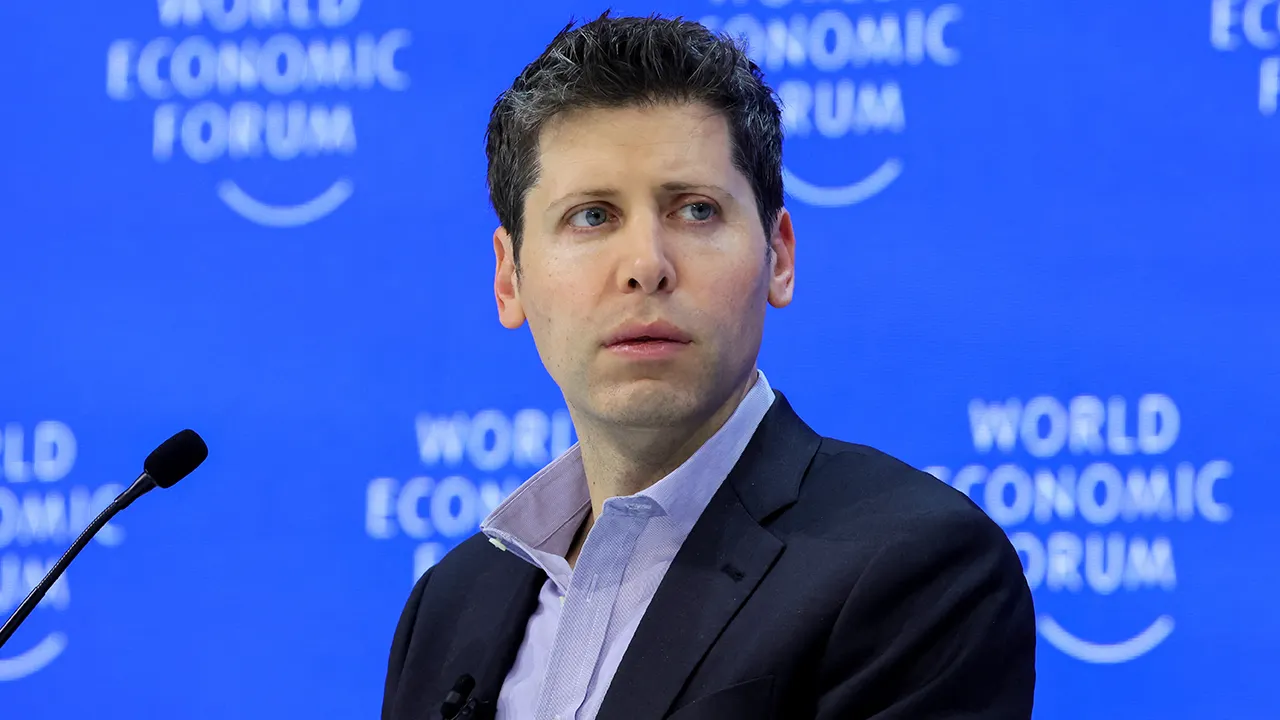
The issue of water consumption linked to artificial intelligence has garnered significant public attention. OpenAI’s CEO, Sam Altman, has responded to these concerns by asserting that the amount of water used by AI data centres is minimal compared to what is required for traditional agricultural practices.

During an appearance on the Sources podcast, Altman stated that public anxieties regarding AI’s water footprint may be exaggerated. He pointed out that while individuals may lament the water used in AI processes, they often overlook the water demands of farming practices, particularly for crops such as almonds.

Altman mentioned, “For every 38,000 queries made to ChatGPT, the water consumption equates to that of a single almond’s production in California.” Although Altman admitted that he was presenting figures from memory, he maintained that his estimates were reasonably close to the actual statistics. This argument was about reframing the narrative surrounding water use in the context of AI technology.

Water Requirements for AI Queries

Recent discussions have put a spotlight on water efficiency in AI systems while comparing it with agricultural water use. Altman previously indicated that a single ChatGPT request consumes approximately 0.32 millilitres of water. In contrast, research conducted by experts from the US Geological Survey revealed that the cultivation of one almond necessitates around 3.56 litres of water.

Based on these calculations, it can be inferred that one almond consumes as much water as 11,000 ChatGPT queries. Altman highlighted the contradiction where people consume large quantities of almonds without acknowledging the water associated with their production.

He described the current perceptions surrounding AI’s water usage as a “robust meme,” suggesting critics often mischaracterise and misunderstand it. He clarified that while thermal management technologies, such as evaporative cooling, were once employed by data centres, the majority have since transitioned to more efficient methods that parallel typical water usage in commercial buildings.

Public Sentiment and Industry Practices

Resistance to new data centre constructions is becoming increasingly pronounced, especially in the United States. A survey conducted by Gallup revealed that 71 per cent of Americans oppose having a data centre close to their residences. Among their reasons, 70 per cent cited environmental concerns, with half specifically mentioning resource utilisation, and 18 per cent referring to water use as a key factor.

A report published in 2024 by a Virginia state commission indicated a disparity in water usage among data centres, with most facilities consuming water levels comparable to those of large office spaces. As the western United States grapples with water shortages, there have been growing calls for improvements in data centre water management.

Despite the challenges, tech companies have vowed to enhance their water efficiency. Notably, Amazon disclosed that it reduced its data centre water consumption by 2 per cent in 2025 compared to the previous year, using approximately 2.5 billion gallons of water, or over 9 billion litres. Concurrently, Microsoft reported a significant improvement in its data centre water efficiency, claiming a 90 per cent increase compared to its earlier facilities.

Long or Short, get news the way you like. No ads. No redirections. Download Newspin and Stay Alert, The CSR Journal Mobile app, for fast, crisp, clean updates!

App Store –  https://apps.apple.com/in/app/newspin/id6746449540 

Google Play Store – https://play.google.com/store/apps/details?id=com.inventifweb.newspin&pcampaignid=web_share

Latest News

Popular Videos
