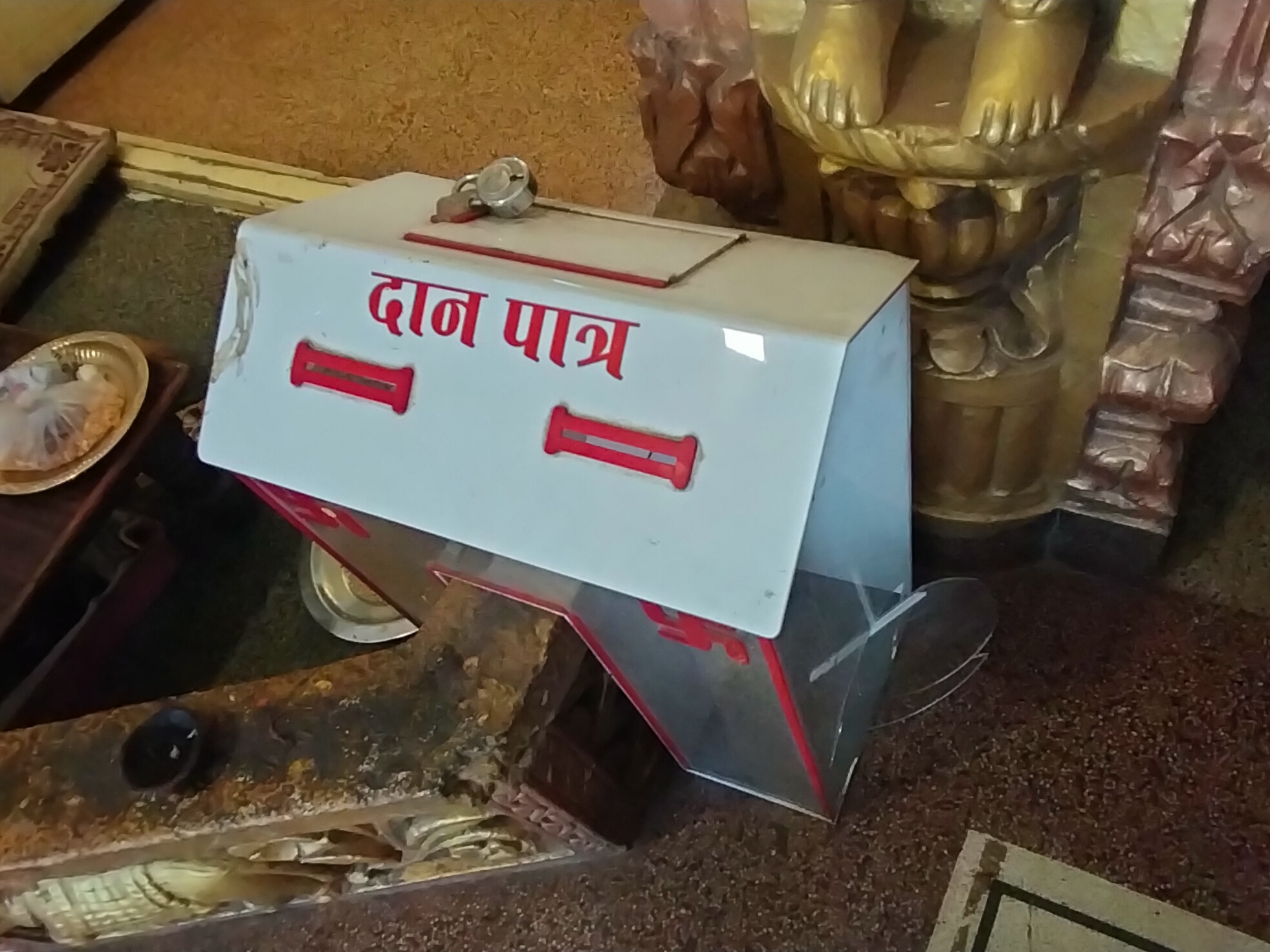
Temple donation boxes in India, while serving the same purpose of collecting offerings from devotees, are identified by different names depending on regional languages and local traditions. The term ‘hundi’ stands out as the most widely recognised name across the country. It is specifically associated with the act of collecting donations in temples and is commonly encountered in both media reports and official documentation.
The word ‘hundi’ is especially prevalent in South India, where it appears in the practices of various temple trusts and religious institutions. An alternative variant known as ‘hundial’ is also employed in certain locales, carrying the same meaning and usage. For English-speaking audiences, these donation boxes may also be referred to as donation boxes, offering boxes, or cash collection boxes in formal contexts.
Diverse Regional Names for Donation Boxes
Across North and Central India, the naming convention shifts to terms such as ‘Daan Peti’ or ‘Daan Patra.’ These words are frequently used in Hindi-speaking states and can be observed in temples situated in cities like Ayodhya, Varanasi, and New Delhi. The variation in names illustrates the significance of local language in religious practices and community engagement.
In the Punjab region and its surrounding areas, the donation collection box is often identified as ‘Golak.’ This term reflects the local cultural context and highlights the diverse linguistic heritage of the country. Meanwhile, in Karnataka, devotees might use the term ‘Kanike,’ which refers to an offering and can denote the donation box itself in certain contexts.
In parts of western and central India, some temples may refer to the donation chest or collection area as ‘Bhandar,’ further indicating the importance of regional customs in the naming of these boxes. Each term encapsulates local traditions, showcasing a rich tapestry of cultural identities.
The Implications of Naming
There is no universally accepted name for temple donation boxes, as designations are often contingent upon the local dialect and temple customs rather than the geographical location. This semantic diversity serves to strengthen community ties and cultural heritage, allowing devotees to connect with their religious practices in a language that resonates with them.
Understanding the various names and their origins provides valuable insight into the cultural significance of these donation boxes across India. Each term reflects not only local beliefs and practices but also the communal aspect of giving offerings at places of worship. As such, the language surrounding temple donation boxes is an essential component of the broader narrative of faith and devotion in India.
As temples continue to adapt to modern contexts, the familiar terms associated with donation boxes remain a vital part of the religious landscape. Their usage reflects ongoing traditions while simultaneously encompassing diverse regional influences, demonstrating the dynamic nature of cultural practices within Indian society.
Long or Short, get news the way you like. No ads. No redirections. Download Newspin and Stay Alert, The CSR Journal Mobile app, for fast, crisp, clean updates!