


Tamil Nadu Water Resources Department Collaborates With NGOs to Establish Sewage Treatment Plant for Adyar River
The CSR Journal Magazine

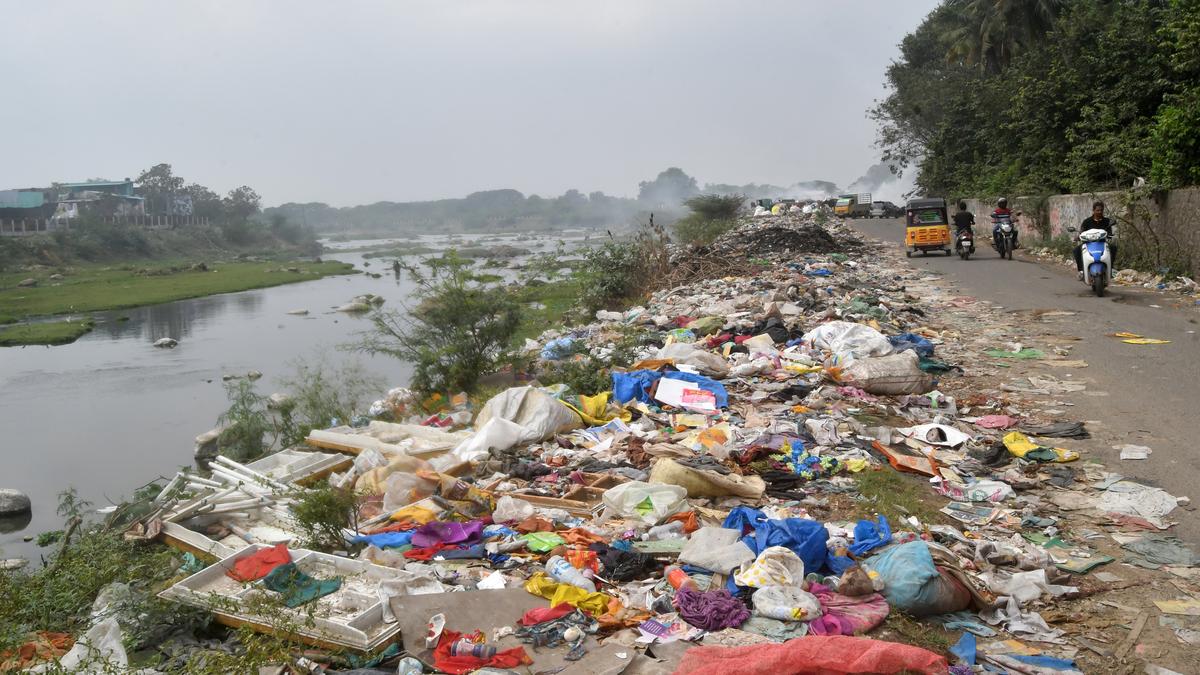
The Tamil Nadu Water Resources Department (WRD) has initiated a new project aimed at reducing sewage pollution in the Adyar River. This endeavour involves collaboration with various non-governmental organisations (NGOs) to create a modular sewage treatment plant (STP). The plant is designed to intercept and treat wastewater prior to its discharge into the river, thereby improving environmental conditions.

Construction and Technological Features of the STP

Construction of the modular STP, which will have a capacity of 0.625 million litres per day (MLD), has already commenced. It is located near the junction of the Adyar and Buckingham Canal on South Lock Street. The WRD has set aside approximately 6,000 sq. ft. of land for the facility. Implementation is being carried out by a consortium that includes SIV Impact Inc., CEMCOT, and additional partner organisations.

The technology employed at this facility will include a combination of Upflow Anaerobic Sludge Blanket (UASB) and Moving Bed Biofilm Reactor (MBBR) systems. These technologies are known for their effective wastewater treatment capabilities while generating minimal sludge, ensuring an environmentally sustainable approach.

Automated operations will be integral to the STP’s functioning, overseen through a Supervisory Control and Data Acquisition (SCADA) system. This will facilitate efficient performance and provide real-time monitoring of the treatment processes.

Water Reuse and Environmental Benefits

The treated water from the STP is intended for various reuse applications, primarily aimed at supporting environmental and urban greening projects. Reclaimed water will be designated for the irrigation of saplings planted along the Adyar River corridor and for maintaining greenery on medians along the Rajiv Gandhi Salai (OMR).

In addition to these initiatives, the project team is investigating the possibility of supplying treated water to nearby industries and large residential complexes. This water may be utilised for non-potable needs such as landscape irrigation and cooling systems, thereby alleviating pressure on freshwater resources.

The project is significantly funded by Amazon, which has pledged an investment of approximately ₹10 crore. This funding will cover both the construction and a commitment to 10 years of operation and maintenance, ensuring the long-term viability of the facility.

Potential Model for Future Projects in Chennai

Stakeholders involved in the project suggest that the sewage treatment initiative at the Adyar River could serve as a template for similar solutions across Chennai’s urban waterways. Other locations, such as the Mambalam Drain, could benefit from this type of intervention, aiding in the city’s broader efforts to enhance wastewater management and facilitate river restoration.

This latest initiative continues the ongoing work by the WRD and Chennai Metropolitan Water Supply and Sewerage Board (CMWSSB) to mitigate sewage discharge into local water bodies. These efforts aim to significantly improve the ecological health of Chennai’s river systems and enhance the overall environmental landscape in the region.

The establishment of this STP marks a significant step toward responsible waste management and the restoration of one of Chennai’s vital rivers, reflecting a commitment to sustainability and environmental responsibility.

Long or Short, get news the way you like. No ads. No redirections. Download Newspin and Stay Alert, The CSR Journal Mobile app, for fast, crisp, clean updates!

App Store –  https://apps.apple.com/in/app/newspin/id6746449540 

Google Play Store – https://play.google.com/store/apps/details?id=com.inventifweb.newspin&pcampaignid=web_share

Latest News

Popular Videos
