


Tamil Nadu Contractors Accused Of Hoarding 200 Million Eggs Meant For Midday Meal Scheme
The CSR Journal Magazine

Fresh controversy has emerged in Tamil Nadu after BJP leader K. Annamalai alleged that contractors hoarded nearly 200 million eggs intended for the state’s midday meal scheme. According to his claims, the eggs were purchased in March at a lower market price of around Rs 3.70 per egg and later stored in cold storage facilities instead of being immediately distributed for public welfare programmes.

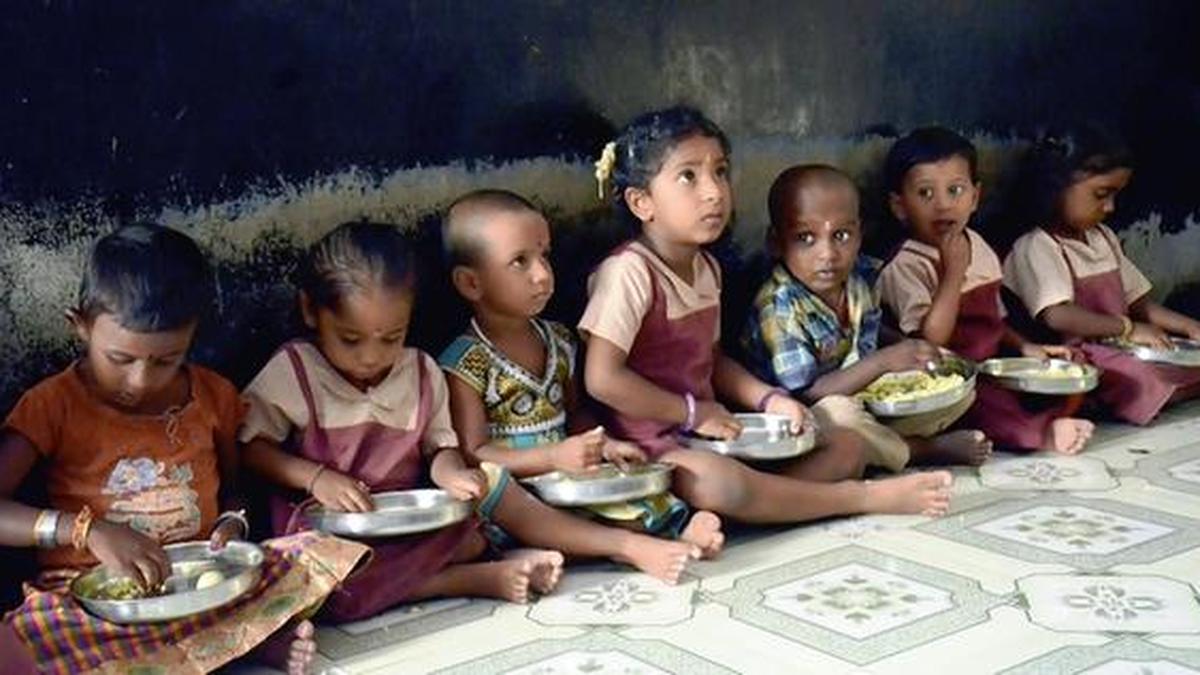
The allegations have triggered concerns because the midday meal scheme serves lakhs of schoolchildren every day and is considered one of the most significant nutrition programmes in the country. Questions are now being raised about whether prolonged storage could compromise the quality and nutritional value of the eggs supplied to students.

Concerns Over Egg Quality and Student Health

The controversy has gained further attention due to earlier reports of rotten or spoiled eggs allegedly being found in some schools under the midday meal programme. Critics argue that storing eggs for extended periods, particularly during fluctuating temperatures and supply disruptions, could increase the risk of spoilage if proper monitoring standards are not maintained.

Food safety experts generally note that cold storage can preserve eggs for a limited duration under controlled conditions, but quality deterioration remains a possibility over time. Concerns are especially serious because nearly 40.82 lakh students depend on the programme daily for nutritional support. Any compromise in food quality could directly affect children’s health and public trust in the welfare scheme.

Supply Chain Issues and Political Debate

The price decline reportedly occurred during a period of supply-chain uncertainty linked to international disruptions, including tensions in the Middle East that affected exports and poultry demand. Annamalai alleged that contractors took advantage of lower prices for profit motives while the government maintained fixed procurement rates.

The allegations have now intensified political debate in Tamil Nadu, with opposition leaders demanding greater transparency in procurement, storage, and distribution practices related to the scheme. So far, authorities have not publicly confirmed the allegations, but the issue has renewed scrutiny over how essential food supplies for welfare programmes are managed.

Calls for Stronger Oversight

The controversy has also prompted calls for stricter inspections of storage facilities, regular quality checks, and greater accountability from suppliers involved in public nutrition programmes. Experts believe that ensuring fresh and safe food supplies is critical not only for student health but also for maintaining confidence in one of India’s largest school meal initiatives.

Long or Short, get news the way you like. No ads. No redirections. Download Newspin and Stay Alert, The CSR Journal Mobile app, for fast, crisp, clean updates!

App Store –  https://apps.apple.com/in/app/newspin/id6746449540 

Google Play Store – https://play.google.com/store/apps/details?id=com.inventifweb.newspin&pcampaignid=web_share

Latest News

Popular Videos
