


Supreme Court of India to Rely on Formal Evidence in Women’s Entry Case
The CSR Journal Magazine

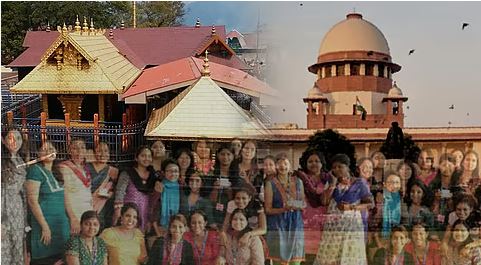
The Supreme Court of India has stated that it will not depend on informal sources of information, often referred to as “WhatsApp University,” when adjudicating cases related to religious freedom, particularly concerning the entry of women into the Sabarimala temple. This statement comes as discussions around the gender of temple visitors continue to evoke significant public discourse. The temple has historically restricted entry for women of menstruating age, a rule that has been contested in recent years.

The Court’s remarks were made during a hearing on several petitions that challenge the long-standing practice which prohibits women aged between ten and fifty from entering the temple premises. This prohibition has sparked various legal battles, and the Supreme Court’s decision to rely on formal evidence and established legal principles indicates a shift towards a more structured examination of rights and freedoms in the context of religion.

Implications for Religious Rights

The Supreme Court’s recent emphasis on the necessity for reliable and formal sources of information underlines the complexity of balancing religious practices with constitutional rights. As the hearings progress, the implications of this approach could ripple through the broader landscape of religious freedoms in India. Legal experts anticipate that this could set a precedent for how similar cases are handled in the country, where the intersection of tradition and modern rights is continuously being negotiated.

Several groups have welcomed the Court’s decision, arguing that a reliance on systematic and credible information can lead to a more equitable interpretation of rights for all citizens. However, the temple’s management and various religious factions view the Court’s stance as an infringement on their traditional practices. The continued legal scrutiny reflects an ongoing tension between constitutional guarantees and cultural norms.

This case, in particular, has brought to the forefront discussions surrounding gender equality within religious contexts. Advocates for women’s rights assert that allowing women access to places of worship not only empowers them but also aligns with the broader principles of equality enshrined in the Indian Constitution. The outcomes of these deliberations are keenly awaited by various stakeholders, including legal analysts and activists.

Current Status of the Hearing

The Supreme Court’s hearings on the Sabarimala case have attracted significant attention and participation. The legal fraternity has engaged in extensive discussions regarding the implications of the Court’s rulings. The justices are expected to consider submissions from multiple parties, including the temple’s management and women’s rights groups, which highlight diverse perspectives on the issue.

As proceedings continue, the Court has scheduled further hearings to ensure comprehensive deliberation on the matter. The justices have advised all parties involved to prepare robust arguments supported by documented evidence, marking a clear directive towards a methodical and fact-driven approach. Court observers suggest that the emphasis on formalised evidence could lead to a more definitive resolution on the matter.

The Supreme Court is also likely to examine the historical context of Sabarimala and the implications of religious customs in contemporary society. This close examination further highlights the ongoing debate about the relevancy and necessity of certain practices in a rapidly changing India.

Conclusion of Ongoing Discussions

As this matter unfolds, the Supreme Court’s decision to insulate its judicial process from informal and potentially misleading sources of information may have far-reaching consequences. The ruling could reflect a commitment to ensuring that constitutional rights are upheld within religious frameworks, a balance that has long been a focal point of legal debates in India.

The Sabarimala case serves as a significant litmus test for India’s legal system, particularly in how it navigates the complexities of tradition and modernity. The outcomes of these hearings could not only redefine access rights at Sabarimala but could also influence similar disputes across the country, further shaping the future of religious freedoms in India.

The Supreme Court’s rigorous approach to factual substantiation in such sensitive matters emphasises the importance of lawful governance in the face of deeply ingrained practices within society. Legal analysts will closely monitor the proceedings, anticipating that the eventual judgment may contribute to a re-evaluation of women’s access to sacred spaces throughout the nation.

Long or Short, get news the way you like. No ads. No redirections. Download Newspin and Stay Alert, The CSR Journal Mobile app, for fast, crisp, clean updates!

App Store –  https://apps.apple.com/in/app/newspin/id6746449540 

Google Play Store – https://play.google.com/store/apps/details?id=com.inventifweb.newspin&pcampaignid=web_share

Latest News

Popular Videos
