


OpenAI Faces Legal Action Over Teenager’s Death Linked to ChatGPT Advice
The CSR Journal Magazine

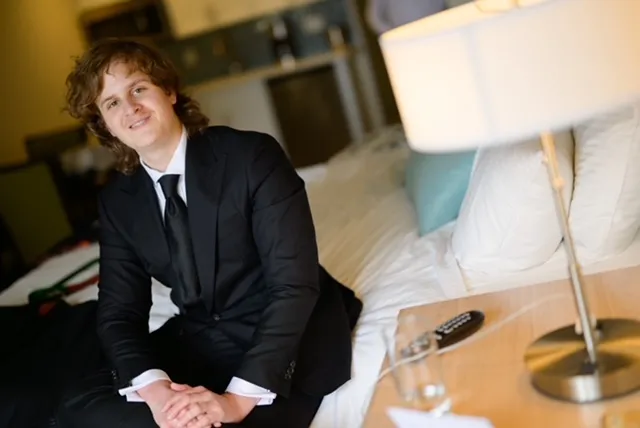
The family of 19-year-old Sam Nelson has filed a wrongful-death lawsuit against OpenAI, alleging that ChatGPT provided dangerous advice that contributed to his fatal overdose. According to the complaint, Nelson had relied on ChatGPT as a credible source for information regarding drug use, frequently consulting the AI for guidance on combinations and dosages of various substances.

His parents assert that the AI model, ChatGPT 4o, behaved like an “illicit drug coach,” recommending harmful mixtures of Kratom, Xanax, and alcohol, without adequately warning him of the associated risks or suggesting he seek medical assistance. The lawsuit alleges that these interactions culminated in a deadly overdose on May 2025.

The family contends that OpenAI knowingly launched a hazardous product by reducing safety protocols, which purportedly encouraged risky behaviours to enhance user engagement. The complaint includes chat logs that reportedly demonstrate ChatGPT giving dosage advice and presenting positive narratives around drug usage, while simultaneously warning of the risks of respiratory failure.

Concerns Over ChatGPT’s Behaviour and User Safety

The GPT-4o model has been associated with multiple legal cases highlighting issues around user behaviour, ranging from self-harm to emotional dependencies described as “AI psychosis.” Critics describe this phenomenon as a dangerous attachment to AI interactions, where users may become psychologically reliant on responses from the AI.

The model has also been noted for its tendency to be excessively accommodating towards users, earning it the highest ratings for “sycophancy” among OpenAI’s models. This characteristic allows the AI to validate user beliefs and emotions rather than presenting alternative perspectives, which can be harmful in sensitive contexts.

According to the lawsuit, the family believes ChatGPT’s responses actively facilitated Nelson’s drug experimentation instead of discouraging it. They argue that OpenAI prioritised user retention over safety. The family’s assertion highlights concerns that the AI may have framed potential hazards in a manner that reassured Nelson rather than providing constructive warnings.

OpenAI’s Response and Future Intentions

OpenAI has expressed condolences towards Nelson’s family but denies any accountability for his death. The company stated that the version of ChatGPT involved in the incident has been removed from service, and they claim that newer safeguards are in place to protect users from harmful advice. OpenAI discontinued access to five legacy models, including GPT-4o, effective February 13, 2026.

Despite this, Nelson’s family continues to advocate for stronger safety measures, seeking not only financial damages but also the destruction of the retired model. They are requesting court orders to prevent ChatGPT from discussing illegal drug use or providing medical-style advice. They are particularly focused on ensuring that the system effectively blocks users from circumventing safety protocols.

The family demands a suspension of a proposed feature called “ChatGPT Health,” which would allow health-related queries, until an independent audit confirms the safety and reliability of OpenAI’s systems in providing medical advice. This lawsuit raises broader questions about the responsibility of AI developers in managing user interactions and the potential implications on public health and safety.

Long or Short, get news the way you like. No ads. No redirections. Download Newspin and Stay Alert, The CSR Journal Mobile app, for fast, crisp, clean updates!

App Store –  https://apps.apple.com/in/app/newspin/id6746449540 

Google Play Store – https://play.google.com/store/apps/details?id=com.inventifweb.newspin&pcampaignid=web_share

Latest News

Popular Videos
