


Supreme Court May Form Special Bench for OBC Quota in Civil Services
The CSR Journal Magazine

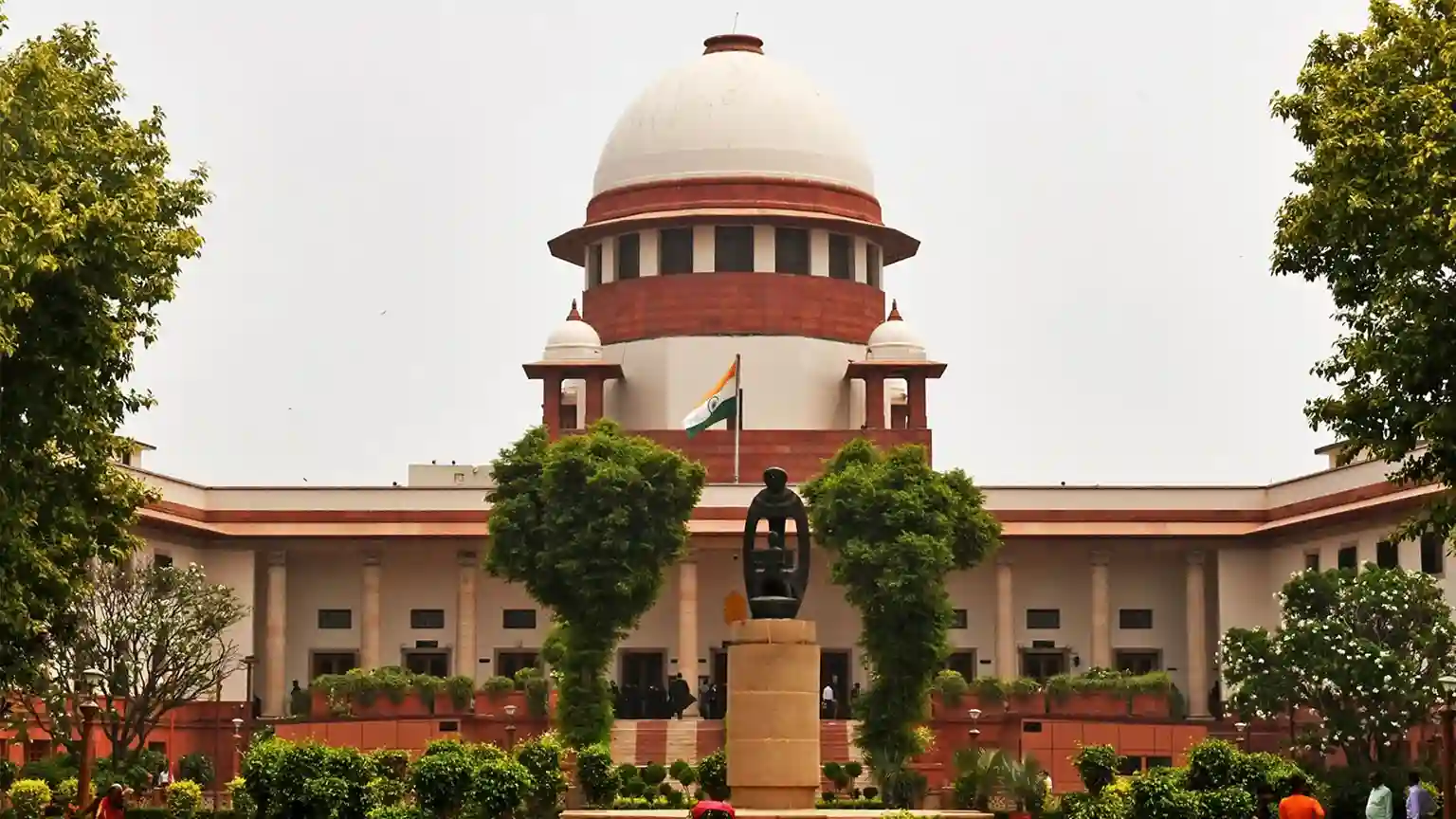
The Supreme Court on Tuesday indicated its willingness to establish a special bench to scrutinise whether its ruling from March 11 concerning the creamy-layer criteria for Other Backward Classes (OBC) should apply to candidates selected via the Civil Services Examination 2025. This potential formation stems from a request made by the Department of Personnel and Training (DoPT).

The DoPT has sought approval to allocate services to 958 candidates recommended by the Union Public Service Commission (UPSC) under the creamy-layer regulations that were in effect prior to the March judgement. The Centre contends that applying this ruling retroactively could lead to unequal treatment among candidates and impede their training and cadre allocation.

During the initial proceedings, Solicitor General Tushar Mehta brought this matter to the attention of a bench led by Chief Justice Surya Kant, which included Justices Joymalya Bagchi and V Mohana. Mehta elaborated that the government had submitted an application regarding a previously resolved case, petitioning for an expedited hearing by a bench chaired by Justice PS Narasimha.

Matter Arising from Previous Judgement

This request is based on a Supreme Court judgement in the case of Union of India versus Rohith Nathan. The ruling specified that an explanatory letter dated October 14, 2004, could not supersede a memorandum issued on September 8, 1993, which addresses the definition of the OBC creamy layer.

The court clarified that a parent’s employment within a public sector undertaking or private enterprise does not, by itself, determine a candidate’s categorisation within the creamy layer. Consideration must also include the parent’s job position and employment type alongside the established income and wealth criteria specified in the 1993 memorandum.

The Centre’s application aims to achieve an exemption from the implications of this judgement, arguing that the Civil Services Examination 2025 notification was released on January 22, 2025, with the preliminary exam occurring on May 25 and the main examination held from August 22 to 31. The final results were announced on March 6, 2026, which was shortly followed by the Supreme Court’s March judgement.

Concerns About Equal Treatment Among Candidates

The government expressed concerns about potential disparities resulting from the application of the March 11 judgement. Candidates who believed they fell outside the creamy layer may have either applied under the general category or chosen not to apply altogether, consequently missing benefits such as the three-year upper-age relaxation and additional examination attempts permitted for OBC non-creamy layer candidates.

The Centre noted that participants who applied under the OBC category but were later assessed as ineligible might gain advantages if their statuses were reconsidered based on the recent judgement. Conversely, those who did not apply under OBC would lack similar recourse for retrospective category changes or claims for age and attempt concessions.

The government argued that these developments could establish two distinct groups of candidates who, despite adhering to the same administrative regulations, would now face differing treatment. Moreover, implementing a fresh assessment of creamy-layer status would require a thorough review of the employment details of candidates’ parents, complicating the examination process significantly.

This retrospective evaluation might necessitate the reopening of the entire examination process, raising further concerns for the government.

The Centre highlighted that delays in the service allocation process could disrupt training schedules for the forthcoming CSE-2025 batch, which is tentatively set to commence at the Lal Bahadur Shastri National Academy of Administration in Mussoorie during the last week of August. These delays could subsequently impact various procedural aspects, including allocation of IAS and IPS cadres and seniority listings.

Invoking the principle of prospective overruling, the government reiterated that the selection process concluded before the March ruling, emphasising that candidates operated based on the legal status at that time. The Centre is not seeking to undermine the court’s judgement but rather seeks clarity on its application to the Civil Services Examination 2025, aiming for the allowance of service allocations under the creamy-layer guidelines in place prior to March 11, 2026.

Long or Short, get news the way you like. No ads. No redirections. Download Newspin and Stay Alert, The CSR Journal Mobile app, for fast, crisp, clean updates!

App Store –  https://apps.apple.com/in/app/newspin/id6746449540 

Google Play Store – https://play.google.com/store/apps/details?id=com.inventifweb.newspin&pcampaignid=web_share

Latest News

Popular Videos
