


Supreme Court Criticises Uttar Pradesh Police Over FIR Irregularities
The CSR Journal Magazine

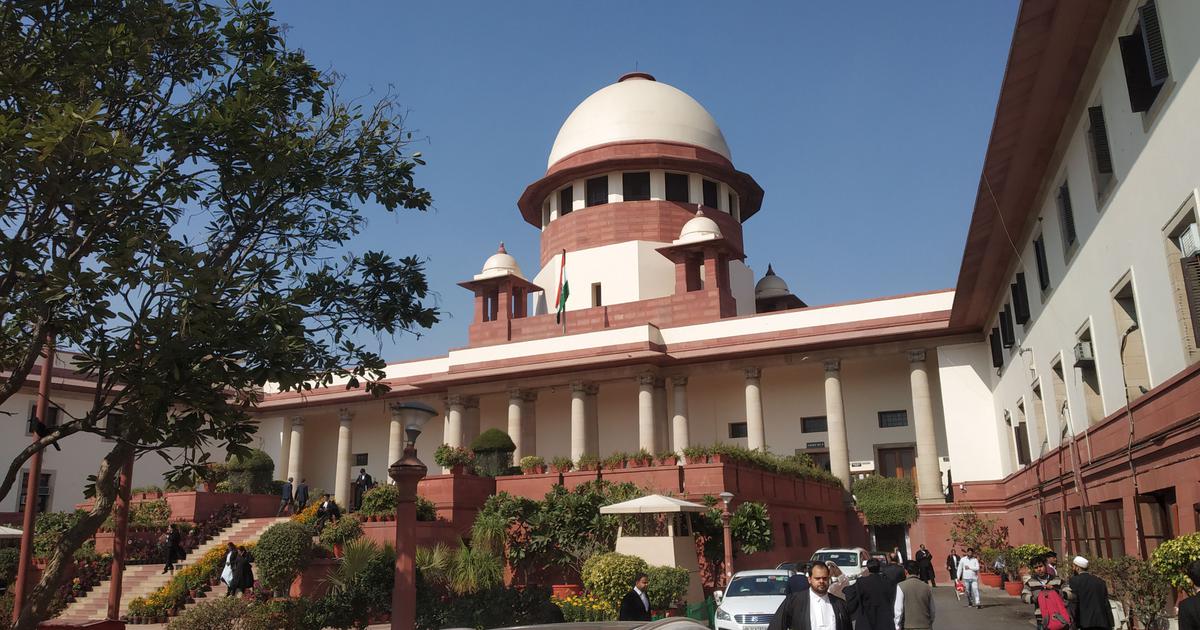
The Supreme Court has expressed significant discontent with the Uttar Pradesh Police regarding their management of a First Information Report (FIR). The court highlighted a particular case where the name of the accused was initially omitted from the FIR and was added at a later date. This incident raised serious concerns about the integrity of police procedures and the reliability of documentation.

Justice Sanjay Kishan Kaul, leading the bench, questioned the implications of such handling of cases on public trust in law enforcement. The court indicated that if the police cannot manage basic documentation accurately, it undermines the faith that citizens place in them to uphold justice. The scrutiny underscores a broader issue regarding procedural adherence within police operations.

During the proceedings, the court also stressed that the integrity of the FIR is crucial in the legal framework, serving as the foundation for investigations. Any flaws or discrepancies in this document can have far-reaching repercussions on the judicial process, further complicating legal outcomes. The Supreme Court’s remarks highlighted the need for systematic reforms in police documentation practices.

Impact on Public Trust and Legal Proceedings

Following the court’s observations, there are concerns regarding how such incidents may affect public confidence in the police force. Citizens expect police to operate competently and transparently, and any deviation from standard procedures can lead to scepticism. The court’s pointed comments are part of a larger conversation about accountability and professionalism in law enforcement.

Legal experts have noted that the judiciary plays a vital role in ensuring that law enforcement agencies adhere to established protocols. This recent reprimand serves as an important reminder for police departments across the country to prioritise accuracy and integrity in their operations. The Supreme Court’s involvement is expected to initiate discussions on necessary reforms in police procedures to enhance accountability.

The Supreme Court’s emphasis on these issues is intended to foster an atmosphere of trust and cooperation between the public and the police. By addressing such missteps publicly, the judiciary aims not only to correct specific instances but also to guide broader shifts in organisational culture within police departments.

Calls for Reforms Within Police Organisations

In light of the Supreme Court’s scrutiny, there may be calls for immediate reform within the Uttar Pradesh Police and potentially across other states. Police accountability mechanisms are crucial to ensuring citizens’ rights are respected and upheld. The judiciary’s criticism may serve as a catalyst for changes that enhance procedural integrity and training for police officials.

Police reforms encompassing better training in documentation processes, transparency, and accountability measures could be essential to preventing similar incidents in the future. Stakeholders are likely to advocate for comprehensive guidelines and oversight mechanisms to ensure that FIRs and other critical documents are handled correctly at all stages of law enforcement activities.

Ultimately, the Supreme Court’s pointed remarks about the Uttar Pradesh Police’s handling of the FIR could signal a pivotal moment for enhancing the relationship between law enforcement and the communities they serve. It highlights the urgent need for reform and the potential for collaborative efforts to improve judicial processes and police practices.

Long or Short, get news the way you like. No ads. No redirections. Download Newspin and Stay Alert, The CSR Journal Mobile app, for fast, crisp, clean updates!

App Store –  https://apps.apple.com/in/app/newspin/id6746449540 

Google Play Store – https://play.google.com/store/apps/details?id=com.inventifweb.newspin&pcampaignid=web_share

Latest News

Popular Videos
