


Study Shows 40% of Pakistani Children in Urban Areas Have Elevated Lead Levels
The CSR Journal Magazine

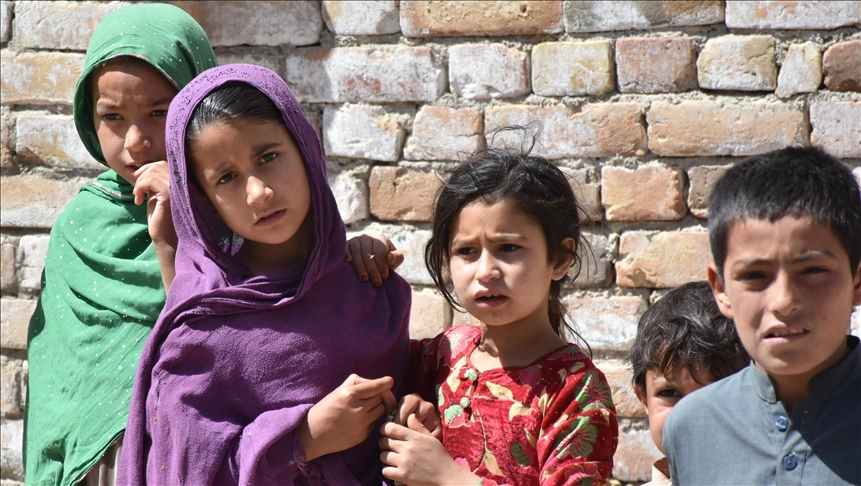
A recent study has uncovered concerning levels of lead exposure in Pakistan, revealing that four in ten children, aged 12 to 36 months, in high-risk urban areas have tested positive for lead in their bloodstream. The findings have raised significant alarms regarding the potential impacts on both physical and cognitive development of these young individuals, as reported by The Express Tribune.

The research was conducted in collaboration with the Ministry of National Health Services, Regulations and Coordination and UNICEF. More than 2,100 children from high-risk industrial zones across seven cities—Haripur, Islamabad, Karachi, Lahore, Peshawar, Quetta, and Rawalpindi—were examined for lead exposure. The study highlighted stark geographical discrepancies, with Hattar in Haripur recording the highest prevalence of elevated blood lead levels, affecting 88 per cent of children tested, while only 1 per cent of children in Islamabad showed similar levels.

Impacts of Lead Exposure on Children’s Health

The report indicated numerous adverse effects of lead exposure, which include stunted growth, anaemia, and weakened immune responses. Most notably, it can significantly impair cognitive functions, reducing IQ scores, shortening attention spans, and impacting memory retention, subsequently increasing the risks of learning difficulties and behavioural challenges in affected children.

Highlighting the urgency of the situation, Muhammad Aslam Ghauri, Federal Secretary for Health at the Ministry of National Health Services, stated that safeguarding children from lead exposure should be regarded as a national public health priority. He underscored the necessity for coordinated efforts across health, environmental, and regulatory frameworks to address this growing concern effectively.

As part of its commitment to tackle this issue, the government intends to enhance surveillance, bolster the enforcement of health standards, and incorporate preventive measures into nationwide child health programmes. This integrated approach aims to mitigate the risks associated with lead exposure in children.

Sources and Global Context of Lead Exposure

The study identified various potential sources of lead exposure, corroborating evidence found in global studies. Significant contributors include industrial emissions, informal battery recycling practices, lead-based paints, and contamination of food, spices, and traditional cosmetics. This denotes a critical need for improved regulatory enforcement, public awareness, and monitoring mechanisms to protect vulnerable populations.

Global estimates suggest that the issue of lead exposure may be even more widespread, with as many as eight in ten children in Pakistan potentially affected. This alarming statistic positions Pakistan among the countries with the highest rates of childhood lead exposure worldwide.

Children are particularly susceptible to the harmful effects of lead, absorbing up to five times more than adults. Its detrimental impact extends across all bodily systems, but the influence on developing brains can result in irreversible damage. A UNICEF representative in Pakistan, Pernille Ironside, reiterated the seriousness of the situation, stating that there is no safe level of lead exposure for children and that the repercussions can be lifelong. UNICEF is dedicated to advancing environmental health initiatives and fostering multi-sectoral cooperation to combat this toxic threat against children.

Long or Short, get news the way you like. No ads. No redirections. Download Newspin and Stay Alert, The CSR Journal Mobile app, for fast, crisp, clean updates!

App Store –  https://apps.apple.com/in/app/newspin/id6746449540 

Google Play Store – https://play.google.com/store/apps/details?id=com.inventifweb.newspin&pcampaignid=web_share

Latest News

Popular Videos
