



Seventy-One Per Cent Of Indians Plan Fewer Outings Amid Rising Fuel Costs

The CSR Journal Magazine

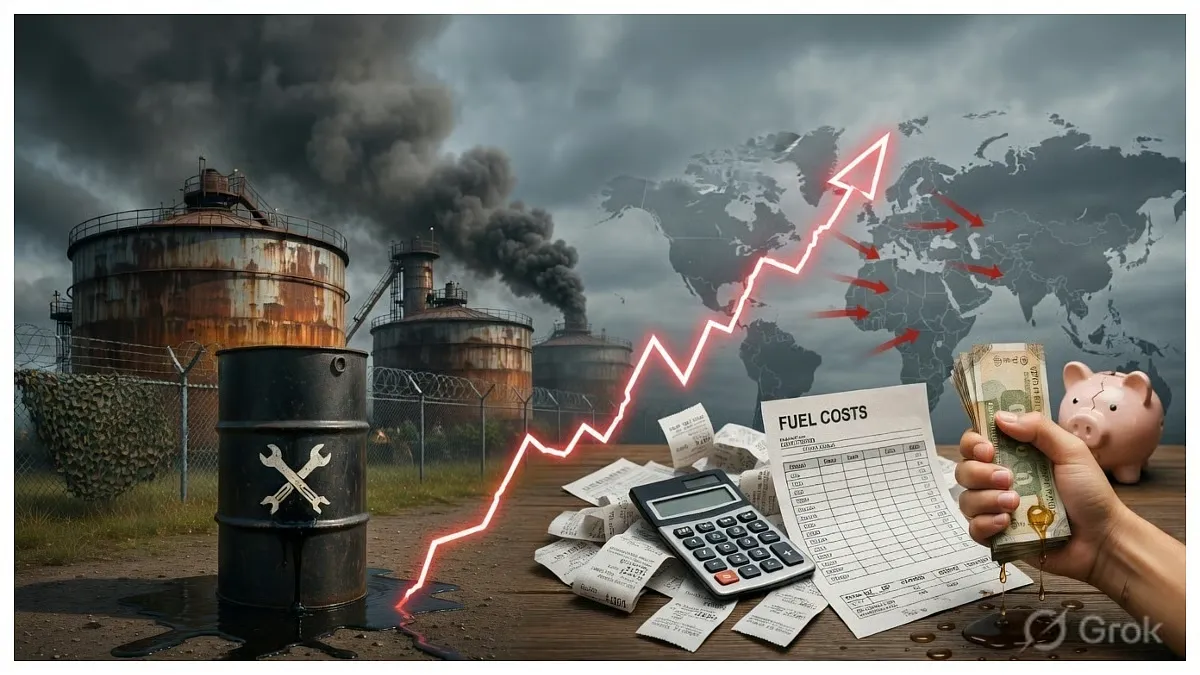
The rising prices of petrol and diesel have become a significant concern for many households across India, affecting their monthly budgets and expenditure patterns. Following four consecutive increases in fuel prices during May 2026, many consumers are now feeling the financial strain not just at petrol stations, but across various daily necessities. According to a survey conducted by LocalCircles, these fuel hikes have prompted families to consider cutting back on non-essential outings and travel.

The last hike occurred on May 25, where petrol prices surged by Rs 2.61 per litre and diesel prices by Rs 2.71 per litre in major urban areas. Altogether, prices rose by Rs 7.35 for petrol and Rs 7.53 for diesel between May 15 and May 25. Oil marketing companies attribute these increases to escalating losses caused by higher international crude oil prices, supply concerns, and geopolitical instability, particularly in the Middle East.

Household Adjustments to Rising Costs

Conversely, 30 per cent of participants indicated that they had not yet felt a significant impact from the changes in fuel prices. This varied response highlights the different ways families manage and cope with rising costs. The economic strain has prompted many to reassess their spending habits and priorities.

Changing Travel Preferences Among Consumers

Moreover, 29 per cent of respondents disclosed they would reduce expenditures in other budget areas to accommodate increasing fuel costs. A further 24 per cent expressed intentions to shop at nearby or less expensive locations to minimise travel expenses. Additionally, 18 per cent stated they would delay leisure spending, travel, or other non-essential purchases as a precautionary measure against rising costs.

The survey garnered responses from over 41,000 household consumers across 308 districts in India, with 62 per cent of respondents being male and 38 per cent female. The demographics indicated that 42 per cent of the participants were from tier-1 cities, while 31 per cent originated from tier-2 cities, and the remaining 27 per cent came from tier-3 to tier-5 districts. The results suggest a notable shift in consumer behaviour due to increasing fuel prices, prompting households to seek ways to alleviate financial pressure as fuel expenses continue to rise.

Long or Short, get news the way you like. No ads. No redirections. Download Newspin and Stay Alert, The CSR Journal Mobile app, for fast, crisp, clean updates!

App Store –  https://apps.apple.com/in/app/newspin/id6746449540 

Google Play Store – https://play.google.com/store/apps/details?id=com.inventifweb.newspin&pcampaignid=web_share

Latest News

Popular Videos