


Scientists Discover Hidden Microbial Oasis Beneath Chile’s Driest Atacama Desert
The CSR Journal Magazine

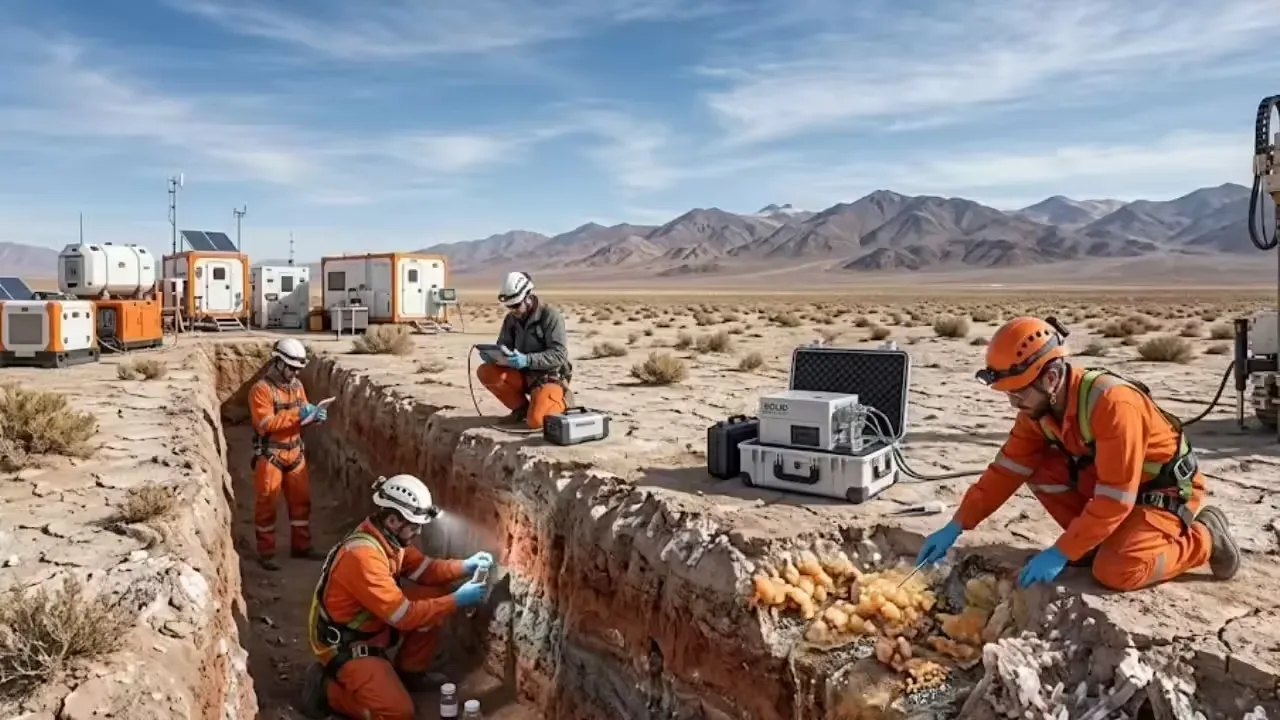
Researchers have unveiled a remarkable microbial ecosystem located two metres beneath the surface of the Atacama Desert in Chile. This region is known as one of the most arid in the world. The discovery was made by a team of scientists who have been studying the extreme environmental conditions that characterise the desert. The findings which were published in a recent study illustrate that life can thrive even under the harshest circumstances.

Using a combination of advanced geological and biological techniques, the researchers were able to extract samples from the subterranean region. These samples revealed an unexpected diversity of microbial life that manages to exist with minimal water resources. The study indicates that microbial communities here have adapted to survive extreme aridity and nutrient scarcity, displaying the resilience of life in unbearable conditions.

The Atacama Desert, which stretches for over 1,000 kilometres, is notorious for its lack of precipitation, receiving less than 1 mm of rainfall annually in some areas. Despite this, the researchers discovered that microbes exist in substantial quantities just below the surface. This finding challenges previous assumptions that life could not be sustained in such an inhospitable environment.

Microbial Adaptations to Harsh Conditions

The study highlights how these microorganisms have developed unique adaptations that allow them to survive prolonged periods of drought. The microbes are believed to enter a dormant state where they can remain inactive until favourable conditions for growth arise. This remarkable ability allows them to wait out long dry spells, only to reactivate when moisture becomes available.

Additionally, the microbial life forms identified in the study exploit minimal resources by utilising chemical processes that do not require sunlight, a significant adaptation in an environment where sunlight is abundant, but water is scarce. The ability to generate energy through chemical reactions rather than photosynthesis unlocks new potential for the understanding of life’s persistence in extreme environments.

This discovery further indicates a wider range of viable habitats for life on Earth and raises important questions about the limits of life in seemingly uninhabitable conditions. It underscores the necessity for continued exploration and research into extreme habitats, both on Earth and potentially on other celestial bodies.

Implications for Astrobiology and Future Research

The implications of this research extend beyond our planet. Scientists believe that understanding how life survives under such extreme circumstances could provide valuable insights for astrobiology. This research could inform future missions to Mars and other celestial bodies where conditions may parallel those found in the Atacama Desert.

Identifying life forms that can thrive in extreme environments may help researchers develop criteria for locating potential habitats for life beyond Earth. The findings from Chile’s desert may guide the search for extraterrestrial life and the development of technologies aimed at sustaining future space missions.

Furthermore, the study enhances our understanding of microbial ecosystems and their role in environmental and atmospheric processes. The resilience and adaptability of these microorganisms provide significant indicators of broader ecological health and stability, potentially paving the way for innovations in environmental sustainability and conservation efforts.

Long or Short, get news the way you like. No ads. No redirections. Download Newspin and Stay Alert, The CSR Journal Mobile app, for fast, crisp, clean updates!

App Store –  https://apps.apple.com/in/app/newspin/id6746449540 

Google Play Store – https://play.google.com/store/apps/details?id=com.inventifweb.newspin&pcampaignid=web_share

Latest News

Popular Videos
