


Satluj Gains Traction in Punjab Villages Following Removal from ZEE5
The CSR Journal Magazine

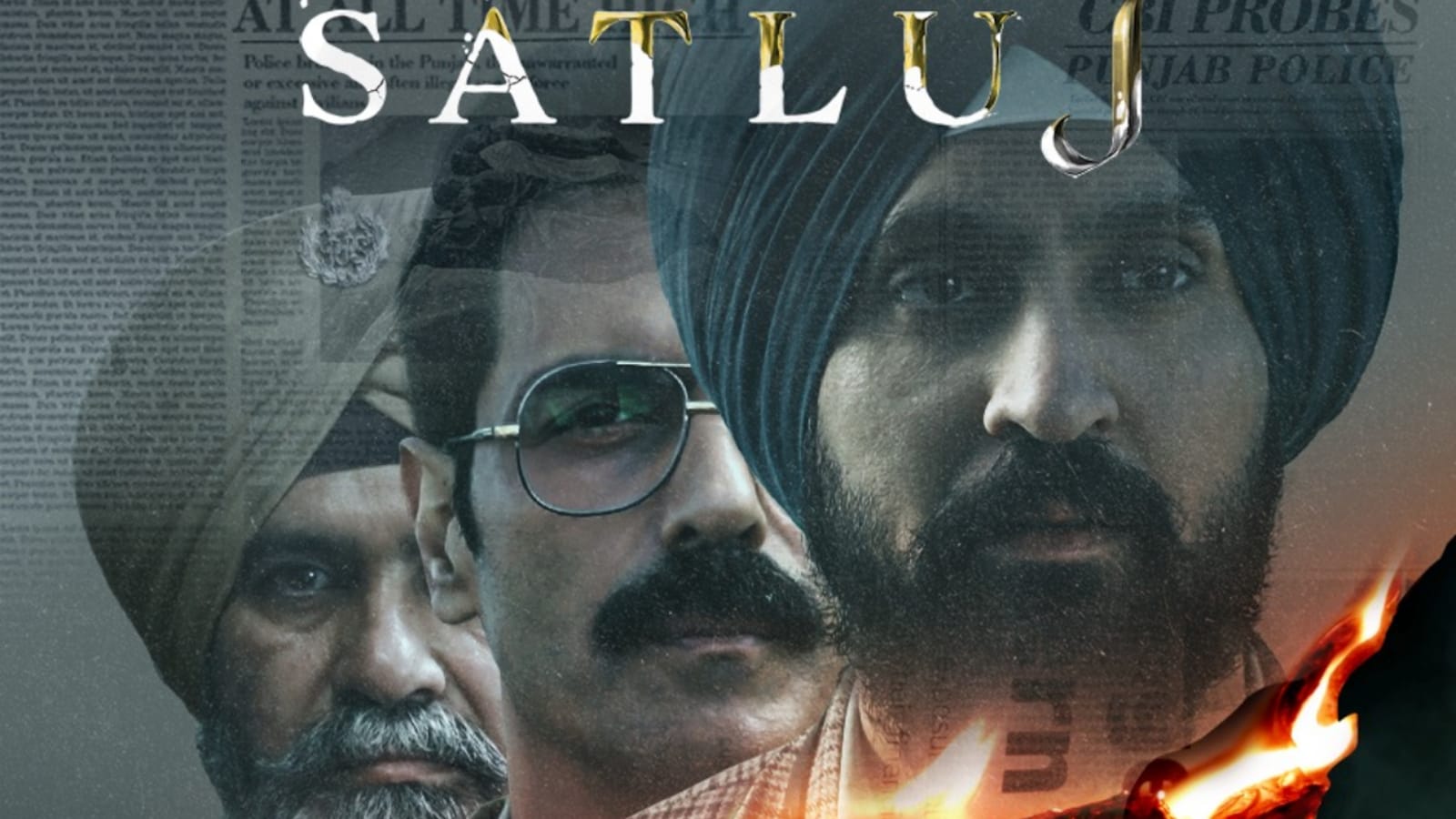
The film Satluj, initially set to release on the streaming service ZEE5, has become a cultural phenomenon across rural Punjab after the government intervened to pull it down shortly after its release. This unexpected turn of events has ignited a grassroots movement, where local communities are now organising private screenings in makeshift venues. The film, featuring actor Diljit Dosanjh, tells the story of Jaswant Singh Khalra, a human rights activist who fought to reveal human rights abuses during a tumultuous period in Punjab’s history.

In various villages, audiences are gathering in community spaces to experience the film that has elicited significant controversy. Many locals were initially unaware of the film until it underwent the abrupt removal. The experience has not been just entertainment; it has become a medium for dialogue and reflection on a painful historical chapter.

One local organiser, Kuldeep, described how they accessed the film despite its official ban. A collective of young villagers used a personal network to acquire it, demonstrating how grassroots initiatives are thriving under these circumstances. With a staggering turn-out of nearly 500 attendees for some screenings, the film is serving both as a form of entertainment and as a catalyst for community engagement.

Revisiting a Troubling Past

The screenings are having a profound emotional impact, especially on older generations who lived through the conflicts depicted in the film. One attendee related that watching the film reopened wounds from the past that many had tried to forget. For younger viewers, it has initiated a critical exploration of their history and identity.

Satluj addresses the systematic disappearances that occurred during the counter-insurgency operations in Punjab. The film sparks conversations about the intricate moral and ethical dilemmas faced by individuals during that time, revealing a complex narrative that transcends the simplistic categories of friend or foe.

Furthermore, the film critiques the heavy-handed tactics used by law enforcement, specifically under the Punjab Police’s controversial “Super Cop” strategy. As reported historical accounts indicate, this approach resulted in widespread allegations of brutality, which Khalra dedicated his life to exposing before his own abduction and murder in 1995.

Impact on Political Discourse

The rising popularity of Satluj has not gone unnoticed on the political landscape of Punjab. Various political factions are using the film’s removal as an opportunity to question the Central government’s censorship and promote conversations around artistic freedom. This controversy has unified different groups, catalysing what some describe as a cultural resistance.

Prominent figures from opposition parties have condemned the ban, labelling it an infringement on citizens’ rights. In particular, the Shiromani Akali Dal (SAD) has announced plans to institutionalise these grassroots screenings, promising to ensure that the film reaches every village in Punjab. The determination of local organisers and political leaders alike illustrates a significant cultural momentum.

Despite the fact that access to the film remains legally contentious within India, organisers remain defiant, highlighting that it is still available for international audiences. This reflects a growing sentiment within the community that their historical narratives cannot be silenced, no matter the restrictions imposed by authorities.

Long or Short, get news the way you like. No ads. No redirections. Download Newspin and Stay Alert, The CSR Journal Mobile app, for fast, crisp, clean updates!

App Store –  https://apps.apple.com/in/app/newspin/id6746449540 

Google Play Store – https://play.google.com/store/apps/details?id=com.inventifweb.newspin&pcampaignid=web_share

Latest News

Popular Videos
