


Safeda And Dasheri Mangoes: Key Differences Explained
The CSR Journal Magazine

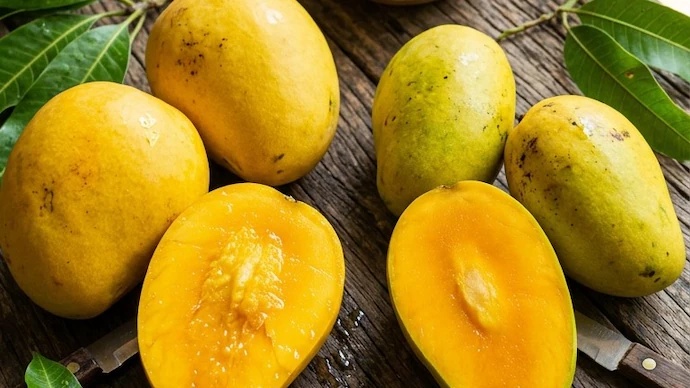
Safeda mango, also known as Banganapalli in various regions of India, is primarily cultivated in South India. This variety is acclaimed for its large size and smooth, yellow skin, making it visually appealing to consumers. Known for its juicy pulp, Safeda is characterised by a mild sweetness, which frequently attracts those who prefer a refreshing fruit experience.

The appeal of Safeda mangoes lies in their ability to offer a less intense flavour, making them a popular choice among mango enthusiasts. The cultivation of this mango variety thrives in the warm climates of Southern India, where the conditions are ideal for producing high-quality fruit.

As the summer season approaches, the availability of Safeda mangoes increases, resulting in them being a sought-after selection for family gatherings and individual enjoyment alike. Their light flavour makes them perfect for a variety of culinary uses.

Insights on Dasheri Mango

Dasheri mango is renowned in North India for its distinctive characteristics, particularly its rich sweetness and creamy texture. This variety is celebrated for its strong aroma and soft pulp, which contribute to its dessert-like taste. Many consumers favour Dasheri for its signature mango flavour that many deem quintessential.

The Dasheri mango gains particular acclaim during the summer months, with many people recognising it as a symbol of the season. It is frequently used in an array of recipes, and its strong flavour accommodates a wide range of culinary applications, including smoothies and salads.

Due to its higher sugar content, Dasheri appeals to a broader demographic who favour a sweeter fruit. It is common to find Dasheri mango featured prominently in markets and grocery stores across Northern India during the peak mango season.

Comparative Analysis of Safeda and Dasheri

The most notable difference between Safeda and Dasheri mangoes lies in their taste and texture. Safeda mangoes deliver a juicy, lighter flavour that is refreshing, while Dasheri mangoes are recognised for their rich, sweet, and creamy consistency. This divergence in taste contributes to varying preferences among consumers.

Further distinguishing features also include fibre content and aroma. Safeda mangoes generally have a low fibre content and emit a light fragrance, whereas Dasheri mangoes have a more pronounced aroma and a higher sweetness level, making them more indulgent.

Both varieties are nutritious; they contain substantial vitamin C, antioxidants, and natural sugars. The health aspect of each fruit tends to be dependent on individual preferences and serving sizes, as both options offer considerable health benefits when consumed in moderation.

Generally, mango enthusiasts lean towards Dasheri due to its sugar-rich flavour, while those seeking a more hydrating experience often opt for Safeda. This leads to a diverse range of preferences based on regional tastes, personal experiences, and sensory attributes.

Final Thoughts on Selection This Summer

If a consumer favours juicy, refreshing mangoes, Safeda may be the preferred choice, whereas those who appreciate rich, sweet, and creamy mangoes might gravitate towards Dasheri. Sampling both varieties is recommended for a full appreciation of their unique characteristics.

Both Safeda and Dasheri mangoes hold a special place in the hearts of mango lovers, offering completely distinct experiences while capturing the essence of India’s mango season. Regardless of the choice made, both varieties remain quintessential summer favourites, embodying the nation’s enduring affection for mangoes.

Long or Short, get news the way you like. No ads. No redirections. Download Newspin and Stay Alert, The CSR Journal Mobile app, for fast, crisp, clean updates!

App Store –  https://apps.apple.com/in/app/newspin/id6746449540 

Google Play Store – https://play.google.com/store/apps/details?id=com.inventifweb.newspin&pcampaignid=web_share

Latest News

Popular Videos
