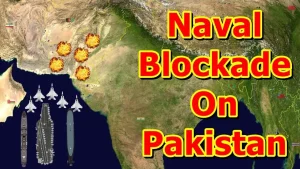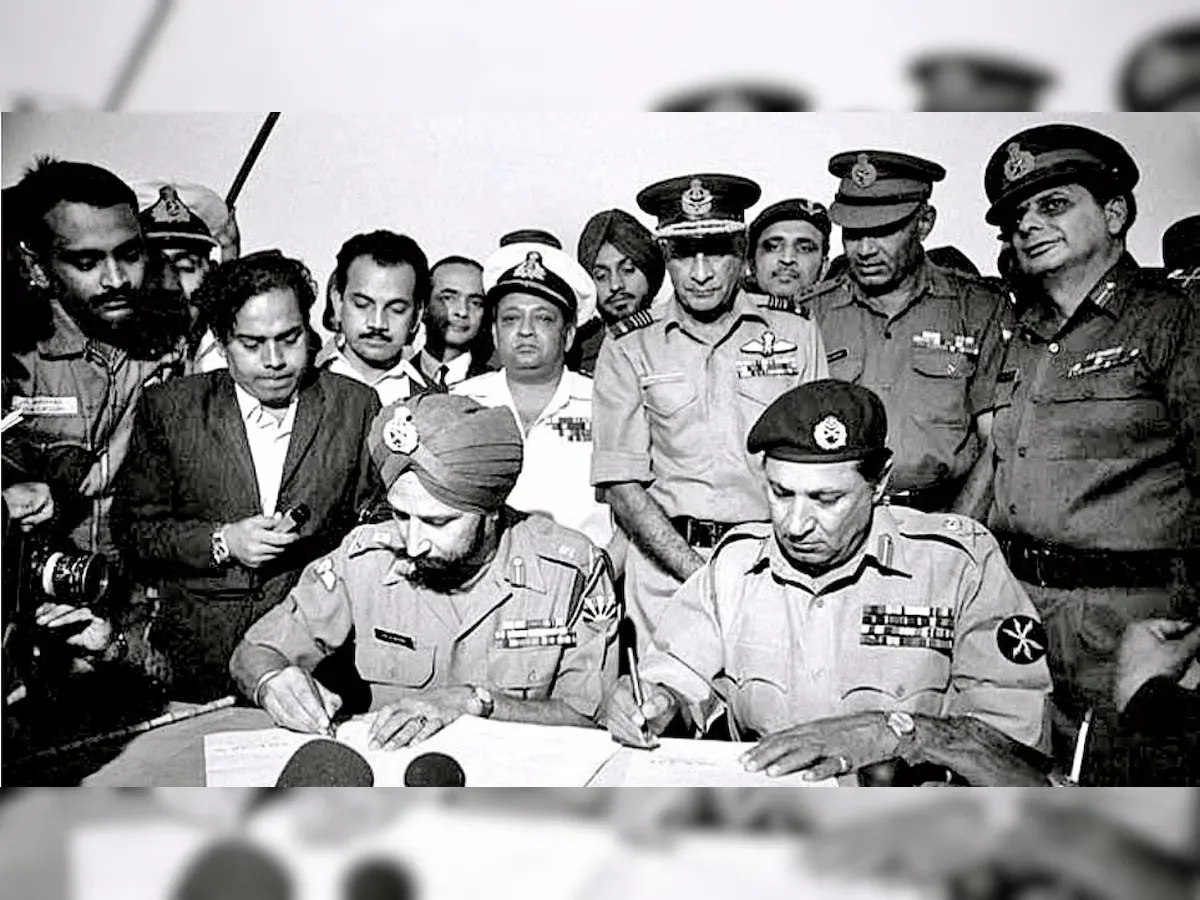

The assertion that the Indian Navy played a marginal role in armed conflicts was challenged during the 1971 India-Pakistan war. Former Navy chief SM Nanda highlighted, in his memoir, that the Navy turned out to be a crucial component of India’s military strategy. This involvement was particularly evident through a covert blockade aimed at disrupting the links between West and East Pakistan, which ultimately led to significant consequences in the conflict.
Just as the world is currently observing tensions in the Strait of Hormuz, where regional naval struggles affect oil supply, the naval blockade executed by India four decades ago had a similar impact on Pakistan. While most combat occurred on land, the decisive actions taken at sea decisively influenced the war’s outcome, showcasing the pivotal role of naval operations.
The blockade effectively severed Pakistan’s access to its eastern territory, a strategy that laid the groundwork for India’s military success in the region.
The Covert Blockade in the Bay of Bengal
The lesser-known story of the blockade during the 1971 war highlights Pakistan’s geographical weaknesses, particularly its vulnerability due to a limited coastline facing the Arabian Sea. Key ports such as Karachi and Port Qasim were difficult to defend, especially given that East Pakistan was isolated from the West by a substantial stretch of Indian land.
With air routes compromised after the hijacking of an Air India flight earlier that year, Pakistan had no reliable means of transporting supplies to its forces in East Pakistan. This scenario underscored India’s advantage, as military planners identified that disrupting maritime connections could significantly hinder Pakistan’s war efforts.
Commencing hostilities on December 3, 1971, Indian forces swiftly implemented strategies to isolate the eastern region by cutting off maritime supplies through the Bay of Bengal, thereby crippling Pakistan’s operational capabilities.
Operations of INS Vikrant and Its Impact
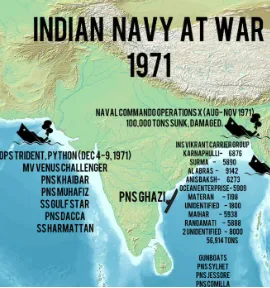
At the core of India’s naval strategy was the aircraft carrier INS Vikrant, which had been commissioned from the UK ten years earlier. Originally not intended for deployment in the eastern theatre, the carrier was redirected due to a technical issue. This decision proved fortuitous, as the naval leadership anticipated that Pakistan would target Vikrant.
In an effort to protect the carrier, the Indian Navy employed decoys and misleading communications to create confusion about its actual position. On the night of December 3, INS Rajput detected underwater activity, leading to the launch of an anti-submarine weapon that ultimately resulted in the destruction of the Pakistani submarine PNS Ghazi, further diminishing Pakistan’s naval capabilities.
As hostilities expanded, Vikrant and its accompanying naval forces targeted coastal infrastructure in East Pakistan, including ports and logistical facilities, effectively neutralising the Pakistani response and restricting maritime movement.