


Pakistan Supreme Court Orders Imran Khan’s Transfer to Private Hospital for Eye Examination
The CSR Journal Magazine

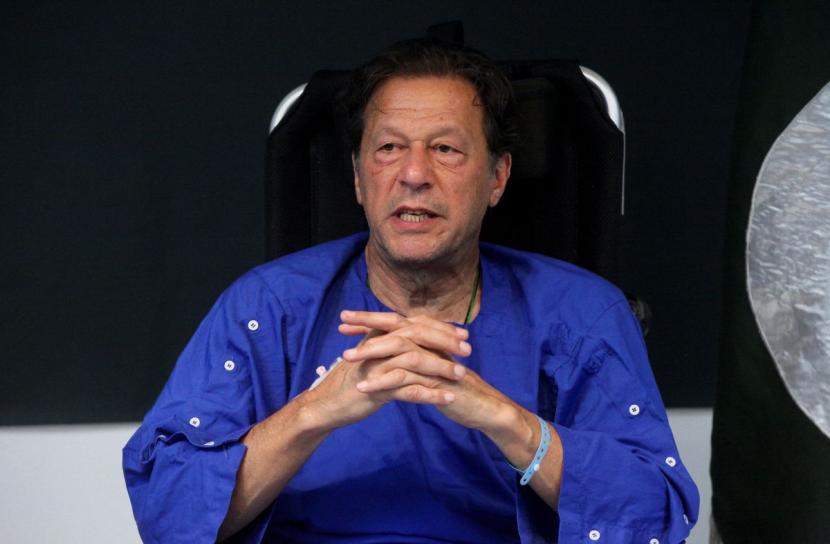
The Supreme Court of Pakistan has mandated that former Prime Minister Imran Khan, currently incarcerated, be transferred to a private hospital in Islamabad for medical evaluation. This directive was issued on Tuesday, following petitions from various individuals regarding Khan’s eye-related health issues. The court’s decision comes in response to conflicting reports on the 73-year-old’s visual impairment, which jail authorities had previously claimed was “almost normal.”

Background on Imran Khan’s Health Issues

Khan has been detained since August 2023 and has faced ongoing health challenges, particularly related to right central retinal vein occlusion (CRVO). This condition first became apparent in late January 2023. Since then, the authorities at Adiala Jail have arranged for Khan to receive treatment at the Pakistan Institute of Medical Sciences (PIMS) on multiple occasions. Notably, the head of ophthalmology at PIMS, Dr Muhammad Arif Khan, along with Dr Nadeem Qureshi from Alshifa Trust Eye Hospital, has been involved in his treatment.

The reports from medical professionals indicate that Khan has shown “significant improvement” in his eyesight, with his vision reportedly returning to a state close to normal. These assertions have led jail authorities to claim that they have been providing appropriate medical care to the former leader as soon as his condition was identified.

Nevertheless, the petitions received by the Supreme Court expressed dissatisfaction with the healthcare being administered within the jail system. As a result, the three-member bench, led by Justice Shahid Waheed, decided it was necessary to consider Khan’s health and safety as part of fundamental rights. Thus, the court has directed that he be taken to Shifa International Hospital in the coming days for further examination.

Legal Implications and Next Steps

The legal representatives of Imran Khan articulated the need for hospitalisation by arguing that the current medical provisions in the government facilities were inadequate for his specific needs. The court’s order is significant as it demonstrates a judicial recognition of the rights of prisoners to access quality medical care, especially in light of current health issues. Justice Waheed highlighted the necessity of ensuring an appropriate standard of health care for imprisoned individuals.

Moving forward, the court’s intervention is expected to facilitate a more thorough investigation into Khan’s ocular condition. The transition to a private hospital is intended to secure a comprehensive assessment by specialised medical practitioners who can offer advanced treatment options. As Khan prepares for this transfer, it remains to be seen how his health situation will evolve under continued medical surveillance.

This case shines a light on the broader discussions surrounding healthcare accessibility for incarcerated individuals within Pakistan. As challenges regarding medical treatment persist, the legal outcomes for Imran Khan may serve as a pivotal reference point for future cases involving the healthcare of prisoners. The immediate focus now lies on ensuring that Khan receives the necessary medical attention and that any further legal ramifications are addressed appropriately.

Long or Short, get news the way you like. No ads. No redirections. Download Newspin and Stay Alert, The CSR Journal Mobile app, for fast, crisp, clean updates!

App Store –  https://apps.apple.com/in/app/newspin/id6746449540 

Google Play Store – https://play.google.com/store/apps/details?id=com.inventifweb.newspin&pcampaignid=web_share

Latest News

Popular Videos
